


Climate change threatens inland water security: Report
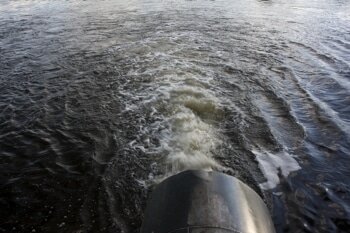
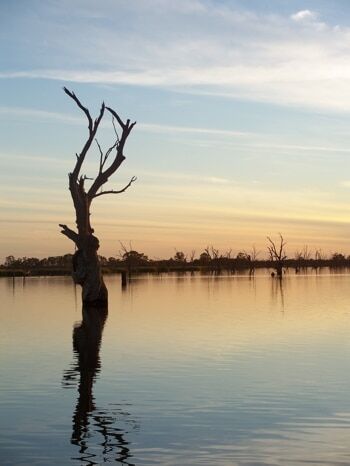 Water security remains a major challenge for Australia. As the driest continent on the planet, our inland waterways are a precious yet threatened resource. Pollution from non-environmental cleaning products and overuse from thirsty industries present a tough challenge for policymakers.
The latest report card into Australia’s environmental health has identified climate change as the biggest threat facing inland water systems.
It has called for better management to sustain our river systems and keep them environmentally-friendly. Liquid pollution, including waterways contaminated by non-environmental cleaning products, are also threatening the health of our rivers and lakes.
The State of the Environment 2011 report was released by the Gillard Government in December.
The independent assessment – the fourth in a series tabled in Federal Parliament every five years – examines the state of the atmosphere, land, biodiversity, coast and marine environment, inland waters, heritage and built environment and the Antarctic.
It looks at the impact of climate change and population on the environment.
Environment Minister Tony Burke said development had taken a significant toll on Australia’s natural resources. Major environmental cleaning productions are needed in some areas to restore water and land habitats.
“The report provides a big-picture view of what Australia’s doing right, what we could do better, and what more we need to know to target our management responses,” Mr Burke said.
“We are turning things around on some counts but, on others, we are still facing challenges with the legacy of centuries of over-consumption and pollution of our environmental resources.”
Green revolution lobbyists warn the report sounds an “urgent alarm’ about the health of Australia’s environment.
“The report itself states that ‘the prognosis for the environment at a national level is highly dependent on how seriously the Australian Government takes its leadership role,” Australian Conservation Foundation campaigns director Denise Boyd said. She said the most urgent findings included:
- Identifying climate change as the ‘largest future threat’ to inland water sources remaining eco-friendly (industrial liquids including fertilisers also continue to contaminate catchments);
- Land clearing had continued at a rate of one million hectares per year for the past decade;
- Since 2006 the East Antartic Ice Sheet had lost about 60 billion tonnes of ice each year; and
- The Southern Ocean is warming faster than anywhere else in the world.
Inland water threat
The report identified increased demand for water as a major challenge facing Australia.
Fresh inland water supplies have been under threat from years of drought and restoring environmental flows was critical to keeping systems eco-friendly. Liquid products including desalinated sea water and recycled wastewater would reduce reliance on river and lake systems but would carry other environmental costs, including increased energy consumption.
The 2011 State of the Environment Report is another warning card for Australian policymakers. Water-thirsty industry – from irrigators to miners – will need to continue to find water-saving measures to ensure future water security.
Reducing water pollution is another step toward preserving our waterways. Leading Perth-based environmental cleaning products suppliers Envirosafe Solutions has a range of non-toxic, biodegradable products to replace toxic chemicals including anti-bacterial hand wash, rubber remover and fuel conditioners. For more information contact 1300 88 90 70 or email info@evss.com.au.
Sources:
http://acfonline.org.au/articles/news.asp?news_id=3585
http://www.environment.gov.au/soe/2011/report/key-findings.html#inland-water
http://www.environment.gov.au/minister/burke/2011/mr20111212a.html
Tags: Anti-bacterial hand wash, Diesel Bug Killer, Dishwasher Powder, Dishwasher rinse aid, Dishwashing liquid, Disinfectant, Dust Suppressor, eco friendly, eco friendly industrial liquid, eco friendly liquid products, environmental cleaning products, Environmentally Friendly Liquids, Extreme Green, Fabric conditioner, Fuel Conditioner, Glue Remover, Hard Water - Laundry Liquid, Industrial Hand Cleaner, Insect & Tar Remover, Laundry Powder, Marine Glass Cleaner, Mineral Deposit Remover, Multi Purpose Lubricant, Porta-loo treatment, Radiator Cleaner, Radiator Coolant, Rubber Remover, Rust Converter, Rust Remover, Sanitiser/Mould Rid, Soil Wetta, Solvent-Free Degreaser, Toilet bowl cleaner