Understanding Safety Ratings for Sustainable Industrial Liquids
When you buy sustainable industrial liquids, the label tells you what the product does. But the safety ratings tell you how it affects your people, your site, and your compliance position.
At Envirosafe Solutions, every product carries independent ratings. Here’s what they mean and why they matter.
What the Safety Ratings Measure
Our products are rated across three categories:
- Health: How safe is the product for workers handling it daily?
- Environment: What happens if it enters soil, water, or air?
- Transport/Storage: How hazardous is the product to ship and store?
These ratings are independent assessments, not marketing claims. They give you objective data for your OH&S records and environmental reporting.
Health Ratings Explained
Health ratings reflect direct exposure risk:
- Skin contact
- Inhalation
- Eye contact
- Ingestion
A higher health rating means lower risk. Our sustainable industrial liquids are formulated to minimise worker exposure without compromising performance. This reduces PPE requirements, training burden, and incident risk.
Environment Ratings Explained
Environmental ratings measure:
- Biodegradability
- Aquatic toxicity
- Soil impact
- Air quality effects
If your operation discharges to septic systems, waterways, or sensitive environments, this rating determines your compliance exposure. Many of our products carry septic safe ratings specifically for this reason.
Transport and Storage Ratings
These ratings affect:
- Shipping costs (hazardous goods surcharges)
- Storage requirements (segregation, ventilation, bunding)
- Insurance premiums
- Emergency response planning
Lower transport/storage safety ratings mean simpler logistics and lower overhead.
How to Use Safety Ratings
When comparing sustainable industrial liquids, don’t just look at price. Check the ratings:
- A cheaper product with poor health ratings costs more in PPE and training
- A product with high environmental ratings may reduce your compliance burden
- Transport ratings directly affect your freight costs
Request the Safety Data Sheet (SDS) for any product you’re considering. Review it with your OH&S officer before ordering. Browse our product range to see available sustainable industrial liquids and their safety ratings.
Why Independent Safety Ratings Matter
Manufacturer claims are marketing. Independent safety ratings are verification. At Envirosafe, we subject our sustainable industrial liquids to third-party assessment because your compliance and safety depend on objective data, not promises.
About Envirosafe Solutions
Perth-based, Australian-owned. We supply sustainable industrial liquids including degreasers, corrosion inhibitors, dust suppressants, and specialised cleaning solutions. All products carry independent safety ratings for health, environment, and transport.
Learn more about essential resources for hazardous chemical safety including Safe Work Australia codes of practice .
Request a quote to discuss which sustainable industrial liquids match your safety ratings requirements.
How to Choose Sustainable Industrial Liquids for Your Operation
Choosing the right sustainable industrial liquids for your operation isn’t just about picking a product off the shelf. The wrong choice wastes money, risks safety, and can damage equipment. The right choice improves efficiency, reduces environmental impact, and keeps your team safe.
At Envirosafe Solutions, we supply a range of sustainable industrial liquids — from degreasers and corrosion inhibitors to dust suppressants and specialised cleaning solutions. Here’s how to choose the right one for your needs.
Assess Your Application
Start with the problem, not the product. What are you trying to achieve?
- Remove grease and oil from machinery?
- Prevent corrosion on metal surfaces?
- Suppress dust on haul roads or construction sites?
- Clean aviation components to industry standards?
- Sanitise food processing equipment?
Each application demands different chemistry. A degreaser that works brilliantly on mining equipment may be too aggressive for aviation parts. Therefore, matching the sustainable industrial liquids to the task is the first step.
Check the Safety Ratings
All Envirosafe products carry independent safety ratings for health, environment, and transport. These ratings tell you:
- Health: How safe is the product for your workers?
- Environment: What is the ecological impact?
- Transport/Storage: How hazardous is shipping and handling?
Additionally, many products carry septic safe ratings. If your operation discharges to septic systems or sensitive waterways, this matters.
Request the Safety Data Sheet (SDS) for any sustainable industrial liquids you’re considering. Review it with your OH&S officer before ordering.
Consider Concentration and Dilution
Some sustainable industrial liquids are ready to use. Others are concentrates that dilute with water. Concentrated products cost less per litre but require accurate mixing. Ready-to-use products save time but cost more upfront.
For large operations with dedicated mixing equipment, concentrates make sense. For smaller sites or occasional use, ready-to-use may be more practical.
Evaluating Container Sizes
We supply sustainable industrial liquids in standard container sizes: 5-litre, 10-litre, 20-litre, 205-litre drum, and 1000-litre IBC. Choose based on:
- Usage rate: How much do you consume monthly?
- Storage space: Do you have room for IBCs or only drums?
- Handling equipment: Do you have forklifts and pumps, or manual handling only?
- Shelf life: Will you use the product before it expires?
If you’re unsure, start with a 20-litre trial. Once you confirm the product works for your application, scale up to 205-litre drums or 1000-litre IBCs.
Request Samples or Trials
We offer discounted pricing for samples and trial quantities for most of our sustainable industrial liquids. Testing on your actual equipment, in your actual conditions, eliminates guesswork. Additionally, our team can advise on dilution ratios, application methods, and compatibility with your existing processes.
Request a Quote
Once you’ve identified the right sustainable industrial liquids for your operation, request a quote. We’ll confirm pricing based on your volume, container size, and delivery location. No automated checkout — every order is reviewed to ensure you get the right product, the right volume, and the right freight option.
Browse our full product range to see all available sustainable industrial liquids.
About Envirosafe Solutions
Perth-based, Australian-owned. We supply sustainable industrial liquids including degreasers, corrosion inhibitors, dust suppressants, and specialised cleaning solutions. All products carry independent safety ratings for health, environment, and transport.
Learn more about managing hazardous chemicals in the workplace




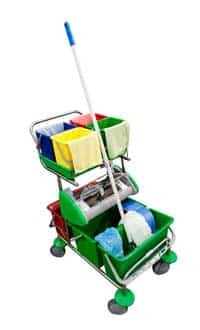 Ever feel like you have to rummage through twenty different bottles in your cupboard just to find the cleaner you’re looking for? There’s the bathroom cleaner, the toilet spray, the degreaser, the spray and wipe, the floor cleaner and who knows what else. Ugly plastic bottles that lurk in your cupboard gathering cobwebs for years on end. Wouldn’t it be nice if you could consolidate all these products into one simple, all-purpose cleaner?