



1300 88 90 70
  • EXTREME GREEN - JOIN THE REVOLUTION!
Blog Categories

Airports and Airlines

Aviation Applications: Meeting Industry Standards with Sustainable Industrial Liquids

Aviation industrial liquids must meet strict standards for every maintenance operation. Aviation maintenance demands precision. The wrong product corrodes components, voids warranties, or fails regulatory audits. The right product cleans effectively while protecting airframes, engines, and sensitive avionics.

At Envirosafe Solutions, we supply these products designed for hangars, line maintenance, and overhaul facilities. Here’s what operations need to know.

Aviation Industrial Liquids and Industry Standards

Aviation industrial liquids must meet strict standards. Regulators — CASA in Australia, FAA in the United States, EASA in Europe — set requirements for chemicals used near aircraft. These standards cover:

  • Material compatibility (aluminium, titanium, composites)
  • Residue profiles (no film left that attracts debris)
  • Flash points and fire safety
  • Environmental discharge limits

Using non-compliant products risks regulatory action, insurance voidance, and airworthiness certificates. Therefore, choosing rated aviation industrial liquids is not optional — it is mandatory.

Why Specialised Formulations Matter

A degreaser that works on a mining truck may attack aluminium airframe alloys. Similarly, a general-purpose cleaner can leave conductive residue on avionics. Because of this, aviation industrial liquids require specialised chemistry for each application.

Furthermore, these products must balance effectiveness with safety. For instance, aggressive solvents might clean well but damage composite materials or harm technician health. Consequently, matching the product to the specific task is critical for both performance and compliance.

Common Applications for Aviation Maintenance Fluids

Our aviation industrial liquids serve multiple maintenance functions:

  • Degreasing: Engine components, landing gear, hydraulic systems
  • Surface cleaning: Fuselage prep before inspection or repainting
  • Avionics cleaning: Sensitive electronic components without residue
  • Cabin and interior treatment: Cleaning and deodorising passenger and crew areas

Each application demands different chemistry. However, all must meet the same strict standards for aircraft safety.

Container Sizes for Maintenance Operations

Aviation maintenance facilities range from small regional operators to major overhaul bases. Therefore, we supply these products in multiple volumes:

  • 20-litre drums for small maintenance shops
  • 205-litre drums for line maintenance stations
  • 1000-litre IBCs for major overhaul facilities

Start with a 20-litre trial to verify compatibility with your specific aircraft types and processes. Additionally, scale up once confirmed.

How to Order

Browse our product range to see aviation industrial liquids available for your operation. Request a quote and we’ll confirm pricing, container size, and delivery schedule. Every order is reviewed to ensure you get the right product for your application.

Alternatively, read our article on how to choose sustainable industrial liquids for guidance on selecting the right product for your industry.

About Envirosafe Solutions

Perth-based, Australian-owned. We supply sustainable industrial liquids including aviation industrial liquids, degreasers, dust suppressants, and specialised cleaning solutions. All products carry independent safety ratings for health, environment, and transport.

Learn more about CASA requirements for aircraft washing and approved cleaning products.


Understanding Safety Ratings for Sustainable Industrial Liquids

When you buy sustainable industrial liquids, the label tells you what the product does. But the safety ratings tell you how it affects your people, your site, and your compliance position.

At Envirosafe Solutions, every product carries independent ratings. Here’s what they mean and why they matter.


What the Safety Ratings Measure

Our products are rated across three categories:

  • Health: How safe is the product for workers handling it daily?
  • Environment: What happens if it enters soil, water, or air?
  • Transport/Storage: How hazardous is the product to ship and store?

These ratings are independent assessments, not marketing claims. They give you objective data for your OH&S records and environmental reporting.

Health Ratings Explained

Health ratings reflect direct exposure risk:

  • Skin contact
  • Inhalation
  • Eye contact
  • Ingestion

A higher health rating means lower risk. Our sustainable industrial liquids are formulated to minimise worker exposure without compromising performance. This reduces PPE requirements, training burden, and incident risk.

Environment Ratings Explained

Environmental ratings measure:

  • Biodegradability
  • Aquatic toxicity
  • Soil impact
  • Air quality effects

If your operation discharges to septic systems, waterways, or sensitive environments, this rating determines your compliance exposure. Many of our products carry septic safe ratings specifically for this reason.

Transport and Storage Ratings

These ratings affect:

  • Shipping costs (hazardous goods surcharges)
  • Storage requirements (segregation, ventilation, bunding)
  • Insurance premiums
  • Emergency response planning

Lower transport/storage safety ratings mean simpler logistics and lower overhead.

How to Use Safety Ratings

When comparing sustainable industrial liquids, don’t just look at price. Check the ratings:

  • A cheaper product with poor health ratings costs more in PPE and training
  • A product with high environmental ratings may reduce your compliance burden
  • Transport ratings directly affect your freight costs

Request the Safety Data Sheet (SDS) for any product you’re considering. Review it with your OH&S officer before ordering. Browse our product range to see available sustainable industrial liquids and their safety ratings.

Why Independent Safety Ratings Matter

Manufacturer claims are marketing. Independent safety ratings are verification. At Envirosafe, we subject our sustainable industrial liquids to third-party assessment because your compliance and safety depend on objective data, not promises.


About Envirosafe Solutions

Perth-based, Australian-owned. We supply sustainable industrial liquids including degreasers, corrosion inhibitors, dust suppressants, and specialised cleaning solutions. All products carry independent safety ratings for health, environment, and transport.

Learn more about essential resources for hazardous chemical safety including Safe Work Australia codes of practice .

Request a quote to discuss which sustainable industrial liquids match your safety ratings requirements.

Home » Articles


Government

Understanding Safety Ratings for Sustainable Industrial Liquids

When you buy sustainable industrial liquids, the label tells you what the product does. But the safety ratings tell you how it affects your people, your site, and your compliance position.

At Envirosafe Solutions, every product carries independent ratings. Here’s what they mean and why they matter.


What the Safety Ratings Measure

Our products are rated across three categories:

  • Health: How safe is the product for workers handling it daily?
  • Environment: What happens if it enters soil, water, or air?
  • Transport/Storage: How hazardous is the product to ship and store?

These ratings are independent assessments, not marketing claims. They give you objective data for your OH&S records and environmental reporting.

Health Ratings Explained

Health ratings reflect direct exposure risk:

  • Skin contact
  • Inhalation
  • Eye contact
  • Ingestion

A higher health rating means lower risk. Our sustainable industrial liquids are formulated to minimise worker exposure without compromising performance. This reduces PPE requirements, training burden, and incident risk.

Environment Ratings Explained

Environmental ratings measure:

  • Biodegradability
  • Aquatic toxicity
  • Soil impact
  • Air quality effects

If your operation discharges to septic systems, waterways, or sensitive environments, this rating determines your compliance exposure. Many of our products carry septic safe ratings specifically for this reason.

Transport and Storage Ratings

These ratings affect:

  • Shipping costs (hazardous goods surcharges)
  • Storage requirements (segregation, ventilation, bunding)
  • Insurance premiums
  • Emergency response planning

Lower transport/storage safety ratings mean simpler logistics and lower overhead.

How to Use Safety Ratings

When comparing sustainable industrial liquids, don’t just look at price. Check the ratings:

  • A cheaper product with poor health ratings costs more in PPE and training
  • A product with high environmental ratings may reduce your compliance burden
  • Transport ratings directly affect your freight costs

Request the Safety Data Sheet (SDS) for any product you’re considering. Review it with your OH&S officer before ordering. Browse our product range to see available sustainable industrial liquids and their safety ratings.

Why Independent Safety Ratings Matter

Manufacturer claims are marketing. Independent safety ratings are verification. At Envirosafe, we subject our sustainable industrial liquids to third-party assessment because your compliance and safety depend on objective data, not promises.


About Envirosafe Solutions

Perth-based, Australian-owned. We supply sustainable industrial liquids including degreasers, corrosion inhibitors, dust suppressants, and specialised cleaning solutions. All products carry independent safety ratings for health, environment, and transport.

Learn more about essential resources for hazardous chemical safety including Safe Work Australia codes of practice .

Request a quote to discuss which sustainable industrial liquids match your safety ratings requirements.

Home » Articles


How to Choose Sustainable Industrial Liquids for Your Operation

Choosing the right sustainable industrial liquids for your operation isn’t just about picking a product off the shelf. The wrong choice wastes money, risks safety, and can damage equipment. The right choice improves efficiency, reduces environmental impact, and keeps your team safe.

At Envirosafe Solutions, we supply a range of sustainable industrial liquids — from degreasers and corrosion inhibitors to dust suppressants and specialised cleaning solutions. Here’s how to choose the right one for your needs.


Assess Your Application

Start with the problem, not the product. What are you trying to achieve?

  • Remove grease and oil from machinery?
  • Prevent corrosion on metal surfaces?
  • Suppress dust on haul roads or construction sites?
  • Clean aviation components to industry standards?
  • Sanitise food processing equipment?

Each application demands different chemistry. A degreaser that works brilliantly on mining equipment may be too aggressive for aviation parts. Therefore, matching the sustainable industrial liquids to the task is the first step.

Check the Safety Ratings

All Envirosafe products carry independent safety ratings for health, environment, and transport. These ratings tell you:

  • Health: How safe is the product for your workers?
  • Environment: What is the ecological impact?
  • Transport/Storage: How hazardous is shipping and handling?

Additionally, many products carry septic safe ratings. If your operation discharges to septic systems or sensitive waterways, this matters.

Request the Safety Data Sheet (SDS) for any sustainable industrial liquids you’re considering. Review it with your OH&S officer before ordering.

Consider Concentration and Dilution

Some sustainable industrial liquids are ready to use. Others are concentrates that dilute with water. Concentrated products cost less per litre but require accurate mixing. Ready-to-use products save time but cost more upfront.

For large operations with dedicated mixing equipment, concentrates make sense. For smaller sites or occasional use, ready-to-use may be more practical.

Evaluating Container Sizes

We supply sustainable industrial liquids in standard container sizes: 5-litre, 10-litre, 20-litre, 205-litre drum, and 1000-litre IBC. Choose based on:

  • Usage rate: How much do you consume monthly?
  • Storage space: Do you have room for IBCs or only drums?
  • Handling equipment: Do you have forklifts and pumps, or manual handling only?
  • Shelf life: Will you use the product before it expires?

If you’re unsure, start with a 20-litre trial. Once you confirm the product works for your application, scale up to 205-litre drums or 1000-litre IBCs.

Request Samples or Trials

We offer discounted pricing for samples and trial quantities for most of our sustainable industrial liquids. Testing on your actual equipment, in your actual conditions, eliminates guesswork. Additionally, our team can advise on dilution ratios, application methods, and compatibility with your existing processes.

Request a Quote

Once you’ve identified the right sustainable industrial liquids for your operation, request a quote. We’ll confirm pricing based on your volume, container size, and delivery location. No automated checkout — every order is reviewed to ensure you get the right product, the right volume, and the right freight option.

Browse our full product range to see all available sustainable industrial liquids.


About Envirosafe Solutions

Perth-based, Australian-owned. We supply sustainable industrial liquids including degreasers, corrosion inhibitors, dust suppressants, and specialised cleaning solutions. All products carry independent safety ratings for health, environment, and transport.

Learn more about managing hazardous chemicals in the workplace

Home » Articles


Corporate Offices & Businesses

Understanding Safety Ratings for Sustainable Industrial Liquids

When you buy sustainable industrial liquids, the label tells you what the product does. But the safety ratings tell you how it affects your people, your site, and your compliance position.

At Envirosafe Solutions, every product carries independent ratings. Here’s what they mean and why they matter.


What the Safety Ratings Measure

Our products are rated across three categories:

  • Health: How safe is the product for workers handling it daily?
  • Environment: What happens if it enters soil, water, or air?
  • Transport/Storage: How hazardous is the product to ship and store?

These ratings are independent assessments, not marketing claims. They give you objective data for your OH&S records and environmental reporting.

Health Ratings Explained

Health ratings reflect direct exposure risk:

  • Skin contact
  • Inhalation
  • Eye contact
  • Ingestion

A higher health rating means lower risk. Our sustainable industrial liquids are formulated to minimise worker exposure without compromising performance. This reduces PPE requirements, training burden, and incident risk.

Environment Ratings Explained

Environmental ratings measure:

  • Biodegradability
  • Aquatic toxicity
  • Soil impact
  • Air quality effects

If your operation discharges to septic systems, waterways, or sensitive environments, this rating determines your compliance exposure. Many of our products carry septic safe ratings specifically for this reason.

Transport and Storage Ratings

These ratings affect:

  • Shipping costs (hazardous goods surcharges)
  • Storage requirements (segregation, ventilation, bunding)
  • Insurance premiums
  • Emergency response planning

Lower transport/storage safety ratings mean simpler logistics and lower overhead.

How to Use Safety Ratings

When comparing sustainable industrial liquids, don’t just look at price. Check the ratings:

  • A cheaper product with poor health ratings costs more in PPE and training
  • A product with high environmental ratings may reduce your compliance burden
  • Transport ratings directly affect your freight costs

Request the Safety Data Sheet (SDS) for any product you’re considering. Review it with your OH&S officer before ordering. Browse our product range to see available sustainable industrial liquids and their safety ratings.

Why Independent Safety Ratings Matter

Manufacturer claims are marketing. Independent safety ratings are verification. At Envirosafe, we subject our sustainable industrial liquids to third-party assessment because your compliance and safety depend on objective data, not promises.


About Envirosafe Solutions

Perth-based, Australian-owned. We supply sustainable industrial liquids including degreasers, corrosion inhibitors, dust suppressants, and specialised cleaning solutions. All products carry independent safety ratings for health, environment, and transport.

Learn more about essential resources for hazardous chemical safety including Safe Work Australia codes of practice .

Request a quote to discuss which sustainable industrial liquids match your safety ratings requirements.

Home » Articles


How to Choose Sustainable Industrial Liquids for Your Operation

Choosing the right sustainable industrial liquids for your operation isn’t just about picking a product off the shelf. The wrong choice wastes money, risks safety, and can damage equipment. The right choice improves efficiency, reduces environmental impact, and keeps your team safe.

At Envirosafe Solutions, we supply a range of sustainable industrial liquids — from degreasers and corrosion inhibitors to dust suppressants and specialised cleaning solutions. Here’s how to choose the right one for your needs.


Assess Your Application

Start with the problem, not the product. What are you trying to achieve?

  • Remove grease and oil from machinery?
  • Prevent corrosion on metal surfaces?
  • Suppress dust on haul roads or construction sites?
  • Clean aviation components to industry standards?
  • Sanitise food processing equipment?

Each application demands different chemistry. A degreaser that works brilliantly on mining equipment may be too aggressive for aviation parts. Therefore, matching the sustainable industrial liquids to the task is the first step.

Check the Safety Ratings

All Envirosafe products carry independent safety ratings for health, environment, and transport. These ratings tell you:

  • Health: How safe is the product for your workers?
  • Environment: What is the ecological impact?
  • Transport/Storage: How hazardous is shipping and handling?

Additionally, many products carry septic safe ratings. If your operation discharges to septic systems or sensitive waterways, this matters.

Request the Safety Data Sheet (SDS) for any sustainable industrial liquids you’re considering. Review it with your OH&S officer before ordering.

Consider Concentration and Dilution

Some sustainable industrial liquids are ready to use. Others are concentrates that dilute with water. Concentrated products cost less per litre but require accurate mixing. Ready-to-use products save time but cost more upfront.

For large operations with dedicated mixing equipment, concentrates make sense. For smaller sites or occasional use, ready-to-use may be more practical.

Evaluating Container Sizes

We supply sustainable industrial liquids in standard container sizes: 5-litre, 10-litre, 20-litre, 205-litre drum, and 1000-litre IBC. Choose based on:

  • Usage rate: How much do you consume monthly?
  • Storage space: Do you have room for IBCs or only drums?
  • Handling equipment: Do you have forklifts and pumps, or manual handling only?
  • Shelf life: Will you use the product before it expires?

If you’re unsure, start with a 20-litre trial. Once you confirm the product works for your application, scale up to 205-litre drums or 1000-litre IBCs.

Request Samples or Trials

We offer discounted pricing for samples and trial quantities for most of our sustainable industrial liquids. Testing on your actual equipment, in your actual conditions, eliminates guesswork. Additionally, our team can advise on dilution ratios, application methods, and compatibility with your existing processes.

Request a Quote

Once you’ve identified the right sustainable industrial liquids for your operation, request a quote. We’ll confirm pricing based on your volume, container size, and delivery location. No automated checkout — every order is reviewed to ensure you get the right product, the right volume, and the right freight option.

Browse our full product range to see all available sustainable industrial liquids.


About Envirosafe Solutions

Perth-based, Australian-owned. We supply sustainable industrial liquids including degreasers, corrosion inhibitors, dust suppressants, and specialised cleaning solutions. All products carry independent safety ratings for health, environment, and transport.

Learn more about managing hazardous chemicals in the workplace

Home » Articles


Warehousing and Manufacturing

Understanding Safety Ratings for Sustainable Industrial Liquids

When you buy sustainable industrial liquids, the label tells you what the product does. But the safety ratings tell you how it affects your people, your site, and your compliance position.

At Envirosafe Solutions, every product carries independent ratings. Here’s what they mean and why they matter.


What the Safety Ratings Measure

Our products are rated across three categories:

  • Health: How safe is the product for workers handling it daily?
  • Environment: What happens if it enters soil, water, or air?
  • Transport/Storage: How hazardous is the product to ship and store?

These ratings are independent assessments, not marketing claims. They give you objective data for your OH&S records and environmental reporting.

Health Ratings Explained

Health ratings reflect direct exposure risk:

  • Skin contact
  • Inhalation
  • Eye contact
  • Ingestion

A higher health rating means lower risk. Our sustainable industrial liquids are formulated to minimise worker exposure without compromising performance. This reduces PPE requirements, training burden, and incident risk.

Environment Ratings Explained

Environmental ratings measure:

  • Biodegradability
  • Aquatic toxicity
  • Soil impact
  • Air quality effects

If your operation discharges to septic systems, waterways, or sensitive environments, this rating determines your compliance exposure. Many of our products carry septic safe ratings specifically for this reason.

Transport and Storage Ratings

These ratings affect:

  • Shipping costs (hazardous goods surcharges)
  • Storage requirements (segregation, ventilation, bunding)
  • Insurance premiums
  • Emergency response planning

Lower transport/storage safety ratings mean simpler logistics and lower overhead.

How to Use Safety Ratings

When comparing sustainable industrial liquids, don’t just look at price. Check the ratings:

  • A cheaper product with poor health ratings costs more in PPE and training
  • A product with high environmental ratings may reduce your compliance burden
  • Transport ratings directly affect your freight costs

Request the Safety Data Sheet (SDS) for any product you’re considering. Review it with your OH&S officer before ordering. Browse our product range to see available sustainable industrial liquids and their safety ratings.

Why Independent Safety Ratings Matter

Manufacturer claims are marketing. Independent safety ratings are verification. At Envirosafe, we subject our sustainable industrial liquids to third-party assessment because your compliance and safety depend on objective data, not promises.


About Envirosafe Solutions

Perth-based, Australian-owned. We supply sustainable industrial liquids including degreasers, corrosion inhibitors, dust suppressants, and specialised cleaning solutions. All products carry independent safety ratings for health, environment, and transport.

Learn more about essential resources for hazardous chemical safety including Safe Work Australia codes of practice .

Request a quote to discuss which sustainable industrial liquids match your safety ratings requirements.

Home » Articles


How to Choose Sustainable Industrial Liquids for Your Operation

Choosing the right sustainable industrial liquids for your operation isn’t just about picking a product off the shelf. The wrong choice wastes money, risks safety, and can damage equipment. The right choice improves efficiency, reduces environmental impact, and keeps your team safe.

At Envirosafe Solutions, we supply a range of sustainable industrial liquids — from degreasers and corrosion inhibitors to dust suppressants and specialised cleaning solutions. Here’s how to choose the right one for your needs.


Assess Your Application

Start with the problem, not the product. What are you trying to achieve?

  • Remove grease and oil from machinery?
  • Prevent corrosion on metal surfaces?
  • Suppress dust on haul roads or construction sites?
  • Clean aviation components to industry standards?
  • Sanitise food processing equipment?

Each application demands different chemistry. A degreaser that works brilliantly on mining equipment may be too aggressive for aviation parts. Therefore, matching the sustainable industrial liquids to the task is the first step.

Check the Safety Ratings

All Envirosafe products carry independent safety ratings for health, environment, and transport. These ratings tell you:

  • Health: How safe is the product for your workers?
  • Environment: What is the ecological impact?
  • Transport/Storage: How hazardous is shipping and handling?

Additionally, many products carry septic safe ratings. If your operation discharges to septic systems or sensitive waterways, this matters.

Request the Safety Data Sheet (SDS) for any sustainable industrial liquids you’re considering. Review it with your OH&S officer before ordering.

Consider Concentration and Dilution

Some sustainable industrial liquids are ready to use. Others are concentrates that dilute with water. Concentrated products cost less per litre but require accurate mixing. Ready-to-use products save time but cost more upfront.

For large operations with dedicated mixing equipment, concentrates make sense. For smaller sites or occasional use, ready-to-use may be more practical.

Evaluating Container Sizes

We supply sustainable industrial liquids in standard container sizes: 5-litre, 10-litre, 20-litre, 205-litre drum, and 1000-litre IBC. Choose based on:

  • Usage rate: How much do you consume monthly?
  • Storage space: Do you have room for IBCs or only drums?
  • Handling equipment: Do you have forklifts and pumps, or manual handling only?
  • Shelf life: Will you use the product before it expires?

If you’re unsure, start with a 20-litre trial. Once you confirm the product works for your application, scale up to 205-litre drums or 1000-litre IBCs.

Request Samples or Trials

We offer discounted pricing for samples and trial quantities for most of our sustainable industrial liquids. Testing on your actual equipment, in your actual conditions, eliminates guesswork. Additionally, our team can advise on dilution ratios, application methods, and compatibility with your existing processes.

Request a Quote

Once you’ve identified the right sustainable industrial liquids for your operation, request a quote. We’ll confirm pricing based on your volume, container size, and delivery location. No automated checkout — every order is reviewed to ensure you get the right product, the right volume, and the right freight option.

Browse our full product range to see all available sustainable industrial liquids.


About Envirosafe Solutions

Perth-based, Australian-owned. We supply sustainable industrial liquids including degreasers, corrosion inhibitors, dust suppressants, and specialised cleaning solutions. All products carry independent safety ratings for health, environment, and transport.

Learn more about managing hazardous chemicals in the workplace

Home » Articles


Automotive & Transport

Understanding Safety Ratings for Sustainable Industrial Liquids

When you buy sustainable industrial liquids, the label tells you what the product does. But the safety ratings tell you how it affects your people, your site, and your compliance position.

At Envirosafe Solutions, every product carries independent ratings. Here’s what they mean and why they matter.


What the Safety Ratings Measure

Our products are rated across three categories:

  • Health: How safe is the product for workers handling it daily?
  • Environment: What happens if it enters soil, water, or air?
  • Transport/Storage: How hazardous is the product to ship and store?

These ratings are independent assessments, not marketing claims. They give you objective data for your OH&S records and environmental reporting.

Health Ratings Explained

Health ratings reflect direct exposure risk:

  • Skin contact
  • Inhalation
  • Eye contact
  • Ingestion

A higher health rating means lower risk. Our sustainable industrial liquids are formulated to minimise worker exposure without compromising performance. This reduces PPE requirements, training burden, and incident risk.

Environment Ratings Explained

Environmental ratings measure:

  • Biodegradability
  • Aquatic toxicity
  • Soil impact
  • Air quality effects

If your operation discharges to septic systems, waterways, or sensitive environments, this rating determines your compliance exposure. Many of our products carry septic safe ratings specifically for this reason.

Transport and Storage Ratings

These ratings affect:

  • Shipping costs (hazardous goods surcharges)
  • Storage requirements (segregation, ventilation, bunding)
  • Insurance premiums
  • Emergency response planning

Lower transport/storage safety ratings mean simpler logistics and lower overhead.

How to Use Safety Ratings

When comparing sustainable industrial liquids, don’t just look at price. Check the ratings:

  • A cheaper product with poor health ratings costs more in PPE and training
  • A product with high environmental ratings may reduce your compliance burden
  • Transport ratings directly affect your freight costs

Request the Safety Data Sheet (SDS) for any product you’re considering. Review it with your OH&S officer before ordering. Browse our product range to see available sustainable industrial liquids and their safety ratings.

Why Independent Safety Ratings Matter

Manufacturer claims are marketing. Independent safety ratings are verification. At Envirosafe, we subject our sustainable industrial liquids to third-party assessment because your compliance and safety depend on objective data, not promises.


About Envirosafe Solutions

Perth-based, Australian-owned. We supply sustainable industrial liquids including degreasers, corrosion inhibitors, dust suppressants, and specialised cleaning solutions. All products carry independent safety ratings for health, environment, and transport.

Learn more about essential resources for hazardous chemical safety including Safe Work Australia codes of practice .

Request a quote to discuss which sustainable industrial liquids match your safety ratings requirements.

Home » Articles


How to Choose Sustainable Industrial Liquids for Your Operation

Choosing the right sustainable industrial liquids for your operation isn’t just about picking a product off the shelf. The wrong choice wastes money, risks safety, and can damage equipment. The right choice improves efficiency, reduces environmental impact, and keeps your team safe.

At Envirosafe Solutions, we supply a range of sustainable industrial liquids — from degreasers and corrosion inhibitors to dust suppressants and specialised cleaning solutions. Here’s how to choose the right one for your needs.


Assess Your Application

Start with the problem, not the product. What are you trying to achieve?

  • Remove grease and oil from machinery?
  • Prevent corrosion on metal surfaces?
  • Suppress dust on haul roads or construction sites?
  • Clean aviation components to industry standards?
  • Sanitise food processing equipment?

Each application demands different chemistry. A degreaser that works brilliantly on mining equipment may be too aggressive for aviation parts. Therefore, matching the sustainable industrial liquids to the task is the first step.

Check the Safety Ratings

All Envirosafe products carry independent safety ratings for health, environment, and transport. These ratings tell you:

  • Health: How safe is the product for your workers?
  • Environment: What is the ecological impact?
  • Transport/Storage: How hazardous is shipping and handling?

Additionally, many products carry septic safe ratings. If your operation discharges to septic systems or sensitive waterways, this matters.

Request the Safety Data Sheet (SDS) for any sustainable industrial liquids you’re considering. Review it with your OH&S officer before ordering.

Consider Concentration and Dilution

Some sustainable industrial liquids are ready to use. Others are concentrates that dilute with water. Concentrated products cost less per litre but require accurate mixing. Ready-to-use products save time but cost more upfront.

For large operations with dedicated mixing equipment, concentrates make sense. For smaller sites or occasional use, ready-to-use may be more practical.

Evaluating Container Sizes

We supply sustainable industrial liquids in standard container sizes: 5-litre, 10-litre, 20-litre, 205-litre drum, and 1000-litre IBC. Choose based on:

  • Usage rate: How much do you consume monthly?
  • Storage space: Do you have room for IBCs or only drums?
  • Handling equipment: Do you have forklifts and pumps, or manual handling only?
  • Shelf life: Will you use the product before it expires?

If you’re unsure, start with a 20-litre trial. Once you confirm the product works for your application, scale up to 205-litre drums or 1000-litre IBCs.

Request Samples or Trials

We offer discounted pricing for samples and trial quantities for most of our sustainable industrial liquids. Testing on your actual equipment, in your actual conditions, eliminates guesswork. Additionally, our team can advise on dilution ratios, application methods, and compatibility with your existing processes.

Request a Quote

Once you’ve identified the right sustainable industrial liquids for your operation, request a quote. We’ll confirm pricing based on your volume, container size, and delivery location. No automated checkout — every order is reviewed to ensure you get the right product, the right volume, and the right freight option.

Browse our full product range to see all available sustainable industrial liquids.


About Envirosafe Solutions

Perth-based, Australian-owned. We supply sustainable industrial liquids including degreasers, corrosion inhibitors, dust suppressants, and specialised cleaning solutions. All products carry independent safety ratings for health, environment, and transport.

Learn more about managing hazardous chemicals in the workplace

Home » Articles


Mining News

Bio-Derived Polymers: The Benefits in Mine Site Dust Control

Bio-Derived Polymers for Mine Dust Control: Best Practices

Effective dust management is critical for modern mining operations. For many years, companies relied on synthetic binders or basic water applications. However, as health and safety protocols evolve, the industry is shifting toward more sustainable solutions. Bio-derived polymers are now leading this transition, offering a superior way to stabilize surfaces while protecting the environment.

Understanding Bio-Derived Polymers for Dust Control

Unlike synthetic binders, which often contain toxic petroleum compounds, these materials use natural, renewable byproducts like lignosulfonates. They act as organic adhesives that bind fine dust particles into a cohesive, durable surface. This matrix withstands heavy haulage traffic effectively. You can review the technical standards for dust control in the Safe Work Australia dust hazard guide. Because bio-derived polymers are derived from plant sugars and wood lignins, they integrate safely into the local soil chemistry.

Operational Advantages of Bio-Derived Polymers

Transitioning to a more natural approach offers three primary operational advantages for your site:

  • Long-Term Durability: Synthetic binders often become brittle under extreme heat. In contrast, bio-derived polymers maintain molecular flexibility, which reduces the frequency of road maintenance.
  • Safety and Non-Toxicity: Traditional chemical binders often threaten local water tables. Alternatively, these natural products ensure a safer work environment for your team.
  • Sustainability: Recycled, bio-based byproducts lower your site’s environmental impact while helping you meet strict ESG targets by reducing the carbon footprint of water hauling.

The Science Behind Surface Stabilization

Dust control relies on strong particle-to-particle bonds. By applying a high-performance sustainable dust suppressant, you fill the microscopic voids between soil particles. The product cures and creates a hardened surface matrix. This prevents dangerous “fines” from becoming airborne and stops the structural degradation of the road base. Unlike water, which evaporates, bio-derived polymers remain in the surface to provide lasting protection.

Addressing Common Myths

Many site managers hesitate to switch from water, fearing that the technology is difficult to manage. First, some believe that bio-derived polymers require specialized, expensive machinery. In reality, modern solutions are designed for standard water cart deployment. Second, there is a myth that they are ineffective in high-traffic areas. However, the high bonding strength creates a surface that performs better under the compaction of heavy haul trucks than loose, unsealed dirt.

Best Practices for Application

Achieving maximum durability requires following specific site protocols. First, ensure the road surface is properly graded and free of loose debris before the initial application. Second, apply the solution at the recommended moisture content to ensure deep penetration into the soil matrix. Additionally, monitor traffic flow immediately after application to allow the surface time to cure fully. These small adjustments lead to significantly longer road life and reduced dust events. These products thrive when these simple application guidelines are followed.

The Financial ROI of Dust Management

Specialized binders may appear more expensive than water initially. However, the operational ROI is undeniable. Stabilized roads reduce water truck fuel consumption and minimize equipment wear. Furthermore, you will spend less time grading the roads. Adopting better technology requires no overhaul of your existing processes. Our formula works perfectly with your current equipment. Finally, please consult our Dust Suppressant Training document to learn the best application ratios for your specific site conditions.

Environmental Stewardship in Mining

As modern mining continues to evolve, the pressure to maintain a “social license to operate” is higher than ever. By utilizing bio-derived polymers, your operation demonstrates a commitment to sustainable resource management. This is not just about keeping the air clean; it is about preserving the surrounding vegetation, protecting local groundwater, and ensuring the health of everyone who works on the site. Taking these steps is an essential component of a forward-thinking ESG strategy.

Advanced Techniques for Bio-Derived Polymers

Beyond standard road dust suppression, bio-derived polymers can be utilized for tailings dam stabilization and stockpile management. By applying a concentrated layer, site managers can mitigate wind erosion over large areas without disturbing the site structure. This versatility makes them an invaluable asset for site-wide environmental management. Furthermore, the longevity of these treatments means fewer re-applications are needed during peak windy seasons.

Future-Proofing Your Haul Roads

Investing in the integrity of your haul roads is an investment in the efficiency of your entire site. When you reduce dust, you increase visibility and safety for all drivers. Moreover, you decrease the maintenance burden on your mechanical teams. As regulations tighten, being proactive with your choice of bio-derived polymers will keep your operations compliant and ahead of the curve. Consistency is key to long-term success.


Effective Mine Site Dust Management.

Mine Site Dust Management: Effective Strategies to Stop Dust

Achieving effective mine site dust management is more than just a site requirement; it is a critical operational necessity. Uncontrolled dust on a mine site creates significant operational liabilities, from health and safety risks like respirable silica exposure to excessive water consumption and costly equipment maintenance.

In many operations, the default response to dust is simple: “just add more water.” However, relying solely on water-truck cycles for mine site dust management is often inefficient, unsustainable, and ineffective in the long term.

The Problem with “Water-Only” Dust Control

While water is the most accessible tool for dust suppression, it has inherent limitations when used in isolation. Poorly managed dust can lead to severe health risks, and failing to mitigate it properly often results in non-compliance with state-mandated dust control requirements.

  • Short-Term Efficacy: Water evaporates rapidly, especially in hot or windy conditions, requiring constant, resource-heavy reapplication.
  • Environmental Impact: Excessive water usage strains local resources and can lead to over-wetting, which damages road integrity and creates hazardous, muddy conditions.
  • Operational Costs: Keeping a fleet of water carts running 24/7 consumes vast amounts of fuel, labor, and maintenance budget.

A Modern Approach to Mine Site Dust Management

Effective mine site dust management requires moving away from reactive “symptomatic” control and toward a proactive, preventative strategy.

Achieving Mine Site Dust Management through Stabilization

The most significant leap in efficiency comes from transitioning from simple water spraying to surface stabilization. By using high-performance Sustainable Dust Suppressant, you can bind fine particles together at the source. This creates a durable, sealed surface that resists traffic wear and requires far less water to maintain.

Targeted Application

Not all areas of a mine site are the same. A smart management plan categorizes high-traffic haul roads, ROM pads, and auxiliary areas. Effective mine site dust management requires tailored strategies for each.

  • High-Traffic Zones: Benefit most from long-term binders that harden the road surface.
  • Crushing and Transfer Points: Benefit from optimized misting systems or surfactants that “activate” water to make it more effective.

Monitoring and Data

You cannot manage what you do not measure. Implementing real-time dust monitoring systems allows your team to react to spikes in particulate matter before they become safety or regulatory issues. This moves your team from a schedule-based watering routine to a needs-based, data-driven mine site dust management operation.

The Operational ROI

When you implement an integrated strategy, the benefits are clear. By prioritizing mine site dust management at an operational level, you convert a recurring expense into a long-term asset.

  • Reduced Resource Consumption: Lower water usage translates directly into fuel and labor savings.
  • Improved Safety: Better visibility on haul roads and reduced airborne contaminants create a safer environment for your workforce.
  • Enhanced Compliance: Modern, bio-derived solutions help you meet increasingly stringent ESG targets.

Ready to Elevate Your Dust Management?

The transition to a more efficient, sustainable dust management program starts with the right products and the right plan. Our Sustainable Dust Suppressant is designed to integrate seamlessly into your existing operations, helping you achieve more with less water. You can also consult our Dust Suppressant Training for technical details on application and use.


Latest News

Spotlight on the Arctic

Envirosafe Solutions is concerned with the current state of our Australian and Pacific environment and is keen to minimize the impact industry and business has on our fragile world. While a focus on environmental issues often has a regional and localised flavor, it is still important to cast an eye around the globe and to assess the current state of affairs in regions other than our own.

The Arctic region is a massive area encompassing 30 million km2 or approximately one sixth of the planet’s entire landmass. It stretches over more than twenty time zones and is home to more than 30 indigenous groups. It is also one of the cleanest natural environments in the world. According to CAFF – The Conservation of Arctic Flora and Fauna Fund – the pristine Arctic habitats for fauna and flora are in decline, and some species in the tundra, sea ice and lakes and peatlands areas are reducing in number.[1]

On May 12 2011, challenges Facing Biodiversity in a changing Arctic” will be presented by CAFF as a unique side event to the upcoming 7th Arctic Council Ministerial Meeting to be held in Nuuk, Greenland.  Key Findings of the 2010 paper, The Arctic Biodiversity Trend -2010: Selected Indicators of Change” will be delivered in the hope of pressing home the harsh realities of global warming currently faced by the Arctic region and its inhabitants. The paper also notes these apparent biodiversity alterations in a region largely forgotten about by much of the world will have pronounced global repercussions and effects that will resonate in years to come.

The short summer breeding season of the Arctic exemplifies the richness of the region. During this brief window, nearly 280 bird species arrive in the Arctic from regions as far away as South Africa, New Zealand and South America. Here, they take advantage of the endless sun-stretched days and the accompanying fauna and flora productivity that explodes seasonally. The impact of a shrinking ice mass (over the past thirty years seasonal minimal sea ice in the Arctic has decreased by 45,000 km2 a year, and increased temperatures has affected those flora and fauna species that have limited distribution or specialized feeding habits that are reliant on ice foraging. Species such as the ivory gull are in stark decline. The majestic wild reindeer and caribou have also seen a 33% reduction in populations and it is unclear at this stage whether population numbers will rebound.[2]In addition, the region’s biodiversity is impacted by other stressors such as long range transport of contaminants, unsustainable harvesting of wild species and a continuing and relentless grab for resources.

Tundra eco-systems comprising “various species of sedges, grasses, lichens and moss are being replaced by species typical of more southern locations, such as evergreen shrubs. Trees are even beginning to encroach on the tundra and some models project that by 2100 the tree line will have advanced as much as 500 kilometres” with a consequent 50% reduction in the tundra habitat.[3]

Certainly the emerging issues and challenges facing the Arctic region are complex, and greater awareness and publicizing of the issues faced in the Northern Hemisphere is required.

Envirosafe Solutions continues to support the initiatives of the Arctic Council and understands the unique interplay between northern and southern hemisphere regions due to the migratory patterns and routes of so many of Australia’s diverse coastal and marine bird species.

Join the Green Revolution. Phone Envirosafe Solutions on 1300 88 90 70.


[1] Challenges facing Biodiversity in a Changing Arctic. http://caffportal.arcticportal.org.presscentre

[2] The Arctic Biodiversity Trend -2010: Selected Indicators for Change. Sourced at http://caffportal.arcticportal.org/images/nuuk_deliverables/Booklet_ABA_English.pdf

[3] Ibid. Pp. 7-8.

Tags: , , , , ,

Breaking the Ice

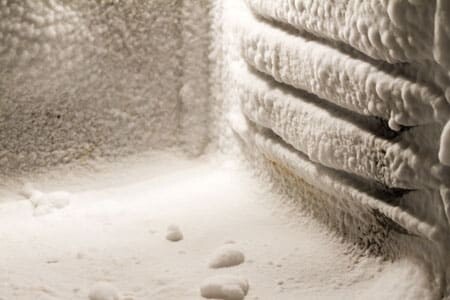
Any industry where large scale refrigeration is used, is aware of the problems associated with ice build-up.  As fluids are spilled in cool rooms and refrigeration areas, these convert to ice sheets and solids that are annoying, obstructive and unsafe. Ice build ups also contribute to increased energy consumption and electricity bills because as the ice builds up, motors need to work harder to maintain cool temperatures in storage units and cool room areas.

Envirosafe Solutions produces a quality ice breaker product that is non-biocidic and far safer to use than other ice breaks on the market.  The Extreme Green Ice Break contains only user-friendly non-hazardous solvents which are less harmful than harsher chemically based ice-breaks. It contains absolutely NO ethers or chlorides associated with other brands, and this means minimal risk to the operator and to the equipment. User friendly not only means increased safety in the workplace, but reduced cost and outgoings.  With Extreme Green Ice Break there is no need for layers and layers of expensive protective equipment and clothing, and this translates to increased efficiencies in terms of time taken for task done, a reduction in cost in relation to hazard protection clothing expenditure, and disruptions to work schedules in the affected cool room or refrigeration area.

One of the central benefits of this product is its rapid-action reaction with the ice surface. Once Extreme Green Ice Break is applied, the process of dismantling the iced area can begin within minutes. Because of its low toxicity it is also safe to use around foodstuffs, which means its use and application in rural and agricultural sectors is safe and effective.

It is specifically designed to remove “stain encrusted ice in cool rooms and chiller unit, as well as ice formed from water spills and staining,” which means your environments will not only be slip-free, but will present as fresh and clean as new.[1] Additionally, this product is simple and easy to use. Just follow the directions and apply with an atomizer, a brush or a broom. There’s no need for hours of waiting…just give it two or three minutes of contact time and then begin the process of brushing or wiping off.  It’s also extremely versatile and can be applied to a myriad of surfaces including glass, concrete, metals including steel and aluminium, painted surfaces and even plastic and Perspex.

And because it is safer to use than other ice breaks, it is easier to clean up and dispose of.

If you require a product that can reduce ice-build ups and stain encrusted frozen areas in your cool rooms and refrigeration units, then Extreme Green Ice Break is ideal for you and your business.

Simple purchase of this product is just a phonecall away.

Call Envirosafe Solutions on 1300 88 90 70.


[1] http://www.envirosafesolutions.com.au/productinnerpage.php?cat=29&product=38

Tags: , , , , ,

Big Business is Green Business

Every year, Cleanup Australia releases its annual rubbish report, and for the sixteenth consecutive year, plastic came in at number one as the most ubiquitous form of rubbish littering our beautiful country. And not much is different overseas. The Pacific plastic soup grows larger day by day, and the problem with plastic bags continues for marine life such as turtles, fish, sea birds and dolphins and whales. While some Australian store chains such as Target have replaced their free supply of plastic bags with pay per bag programs using biodegradable substitutes[1], the issue remains widespread and endemic.

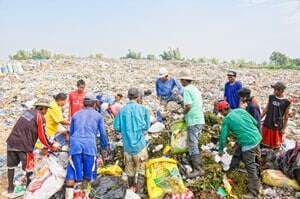
In Bangalore in India, the problem is even worse. Each day, 9000 tonnes of plastic contributes to the waste of this city, clogging streets and roads and parks at an alarming rate. However, there is one businessman who has turned this massive problem into a win-win for the Bangalore community and population and for his own family run business.[2]

For many years, K. Ahmed Khan ran a Bangalore factory producing the very plastic bags that are creating pollution havoc around the world. With his brother, he sought to redress this imbalance and turned his efforts into reusing plastic waste products and plastic bags in novel and new ways that were useful, financially viable and ethical. At a local Bangalore dump yard, he began experimenting with a mix of bitumen and shredded plastic from discarded bags and plastic refuse, employing the “untouchable” rag pickers to fossick through the dumps and collect as much of the plastic rubbish as they were able. [3]

Bangalore lies in the southern region of India and is subject to high monsoonal rainfall that impacts city infrastructure annually. Roads, bridges, road surfaces and other structures are frequently washed away, pot-holed and pitted by the relentless rains, costing the regional government billions and billions of rupiah in road upkeep and replacement.

K .Ahmed Khan and his brother began an application of the new bitumen mix as road surface and tested its ongoing durability. Fortified with the recycled shredded plastic acting as a powerful binding agent, the new mix not only satisfied the local Bangalore community but also led to the eventual development of a more durable road surface that lasts years longer than the previous road surface mix. As Khan himself explains, “Typically, bitumen is mixed with new plastic, but what we’re doing is mixing it with plastic from bottles and food packages and plastic bags.” It’s a simple and easy solution to a pressing environmental problem. And, as a result, this successful business no longer demands new plastic for its road mix, and uses an existing and recyclable supply that’s already a cause for concern in Bangalore and its many dumps. And it also employs some of the poorest members of the Bangalore population in the process.

Business like KK Plastic in Bangalore in India, and Envirosafe Solutions in Australia can, and are, making a difference. Envirosafe Solutions’ Extreme Green Range of products is far less toxic to the environment than many standard liquid products. Telephone Envirosafe Solutions for more information on their Extreme Green range on 1300 88 90 70


[1]http://www.target.com.au/html/aboutus/img/compostablebags/mediarelease2009.pdf

[2] Relph, M.K. Where the roads are paved with plastic. http://www.abc.net.au/environment/articles/2011/04/18/3192740.htm

[3] http://ibnlive.in.com/news/bangalore-activist-on-the-road-to-plastic-success-story/46501-3.html

Tags: , , , , ,

A Bug’s Life

It’s a bug’s life! Or is it?

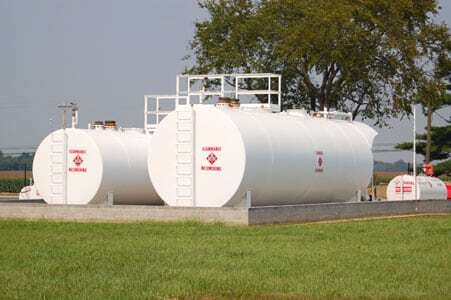
Any industry that uses diesel fuel will be beset by the good old “fuel or diesel bug.” More commonly known as Cladisporium resinae, or Hormoconis resinae, the sludge waste produced by this nasty little critter has the potential to corrode the metal structure of fuel tanks, in turn risking human life and blowing out cost to industry.

The good old diesel bug actually lives in the water found in fuel, and is known to collect at the base of tanks, near drainage sectors and vent bays and areas where condensation may occur. While large scale fungi infestations could lead to blockages in the fuel system, the most pressing problem lies with the more commonly occurring corrosion that is a frequent accompaniment to smaller-scale infestations. In aviation especially, it can cause pitting and corrosion to the fuel tanks and wing structure which has potentially life-threatening consequences.[1]

A successful and cost-effective eradication plan for the fuel bug needs to be a part of any business that is reliant on diesel and fuel. And in this day and age, it is important any implemented plan is also environmentally safe and sound.

Envirosafe Solutions has a one-stop answer to the problem. Efficient, easy to use and with negligible environmental impact, The Extreme Green Diesel Bug Killer is a fast and effective method of control and eradication – safeguarding industry, the environment and human populations against this pervasive little pest. And, “when added to fuel, it absorbs all the water, thus breaking the chain in the environment in which the Diesel Bug can survive. Without water, the bug suffocates and dies, and passes through the filter system until it is finally killed by the combustion process. Most importantly, the diesel bug cannot re-infest when Extreme Green Diesel Bug Killer is mixed in the fuel.[2]

Envirosafe Solutions suggests you follow these key maintenance issues in the control of the diesel bug:

  • Carry out water drain checks of the fuel tanks regularly and include vent and surge bays.
  • Ensure that all water is removed.
  • Keep the tanks full if possible (more fuel means less room for condensation to occur).
  • Perform regular testing to monitor the fuel quality.
  • Clean tanks thoroughly.
  • Fuel fungi are most common in tropical environments, so the northern regions of Australia can be particularly impacted.
  • Also, take extra care in more remote areas where there may be less control over fuel quality. Regular maintenance and checking is vital in these regions. [3]

When seeking solutions to the diesel bug for your business and industry, look no further than Envirosafe Solutions Extreme Green Diesel Bug Killer. Telephone Envirosafe Solutions now on 1300 88 90 70.


[1] Bowden, D. Attack of the Fungi. Flight Safety Australia Sept-Oct 2005 pp 50-51. http://www.casa.gov.au/wcmswr/_assets/main/fsa/2005/oct/50-51.pdf

[2] http://www.envirosafesolutions.com.au/productinnerpage.php?cat=14&product=12

[3] Bowden, D. Attack of the Fungi. Flight Safety Australia Sept-Oct 2005 pp 50-51. http://www.casa.gov.au/wcmswr/_assets/main/fsa/2005/oct/50-51.pdf

Tags: , , , , ,

Our Ningaloo

Envirosafe Solutions focus on the local West Australian natural environment.

Envirosafe Solutions, manufacturers of Extreme Green products, takes pride in its green approach to business and industry. The management team places a major emphasis on the development of effective products that are safe to use and that have a low-impact on our environment internationally, nationally and locally. And it is this local environment that requires delicate respect and protection. After all, our local environs are “our own backyard.”  And it all starts with home.

The West Australian local environment is one of unsurpassed beauty. Travel north from the capital and you are overwhelmed by the sheer beauty of the pristine coastline and all it has to offer. The fracas and hustle and bustle of the east coast of Australia is absent, and the experience is one of pure exhilaration.

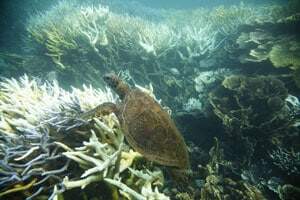
Ningaloo Reef, 1200km north of Perth, is arguably the jewel in the crown of the Western Australian natural marine environment. It is Australia’s largest fringing coral reef and is uniquely positioned extremely close to land mass. This unrivalled aspect of its novel positioning makes it the only reef of its kind in the world. It is the only large reef in the world that can be accessed so easily from mainland. (At its closest it stands just 100 metres from shore and at its furthest, less than 7 km.) This contributes to its popularity as a prime destination for West Australian locals as well as eco-tourists from our own continent and beyond.

On the 7th May 1987, the area was declared a Commonwealth Marine Park and because it “is located in a transition zone between temperate and tropical waters,”[1] it sustains a vast array of plant and marine species from both these zones as well as novel geomorphic features. The reserve is also well-known for its annual migration of whale sharks. Tim Winton, West Australian author and Australian “national treasure,” described his first ever meeting with a whale shark as one of the best of his life:

“And there, out of the hazy deeps, loomed a great shadow. The water was blurry with plankton and jellyfish and this thing looked like a Zeppelin floating out of the clouds. I just couldn’t comprehend the sheer size of it….The shark blocked out the sun. I could feel the passage of it through the water as I swam on my back trying to keep pace with it until, eventually, I fell back in the turbulence of its wake. I surfaced with a whoop of exhilaration. I felt privileged to have had those few moments.

I knew I’d come to a special place, somewhere precious.”[2]

Ningaloo Reef is our Ningaloo. And the products we use at home, in our businesses and in our industries are inextricably linked in with the natural environment, locally, nationally and internationally. That is why it’s important to source and select environmentally sound products from environmentally sound companies like Envirosafe Solutions who have a comprehensive understanding of their ethical responsibilities to the environment, the planet and its inhabitants.

In 2011, we as a world community are beginning to appreciate the considerable long-term harm resulting from the use of toxic chemical products. Let’s steer ourselves towards household, business and industry best practice and source products such as those from Envirosafe Solutions that have a far-reduced impact on the beauties of our own backyard. It’s our world. Let’s look after it.

Call Envirosafe Solutions on 1300 8890 70.

[1] Australian Government. Department of Sustainability, Environment, Water, Population and Communities. http://www.environment.gov.au/coasts/mpa/ningaloo/index.html

[2] Winton, Tim. Save Ningaloo. http://www.save-ningaloo.org/frames/page6.shtml

Tags: , , , , ,

Green cleaning products key to workplace safety

A global framework for the classification and labelling of chemicals is being adopted in Australia. It will be phased-in from 2012 and will form part of health and safety protocols within Australian workplaces. Chemical cleaning products are associated with skin and respiratory irritation for workers in cleaning, mechanical, mining and healthcare sectors. In addition the transportation and disposal of these chemicals create significant environmental impacts. Today we look at reducing these risks through the use of low-toxicity, natural-based environmental cleaning products.

Cleaning products can cause skin, eye and respiratory irritation and are an important consideration in health and safety guidelines for Australian workplaces.

Workers in cleaning, healthcare and education sectors as well as mining, industrial and mechanical workplaces are exposed to toxic chemicals on a daily basis.

New labelling and safe handling guidelines are being adopted by SafeWork Australia, which will replace existing separate classifications for hazardous substances and dangerous goods.

The new model for workplace hazardous chemicals will utilise the Globally Harmonised System (GHS) of Classification and Labelling of Chemicals, developed under the auspices of the United Nations. It will outline health and safety regulations and clear guidelines on correct labelling and material safety data sheets (MSDS). Its phased implementation will be rolled out from next year.

Health and environmental risks

Exposure to toxic cleaning products needs to be minimised to protect workers. According to the US EPA website – which promotes the use of eco-friendly cleaning products – the health and environmental risks from cleaning products include:

  • Contamination of wastewater through the rinsing and cleaning of sponges, storage containers containing residual product;
  • Risks to aquatic species and wildlife from wastewater contaminated with chemicals such as alkylphenol ethoxylates – a common surfactant in cleaners – which has been identified as an endocrine (hormone) disrupter;
  • Poor water quality caused by chemicals containing phosphorus or nitrogen;
  • Poor indoor air quality created by the release of volatile organic compounds (VOC) found in cleaning products.
  • Environmental risks associated with the transportation, storage and disposal of commercial cleaning products.

The US EPA states that actual risk from typical workplace exposure was uncertain but that: “Regardless of the expected risk levels… reducing the intrinsic hazard of a product is a desirable pollution prevention objective as part of decisions that also take into account other important product attributes”.

Benefits of ‘Buying Green’

Health and environmental concerns associated with workplace chemicals has led to the development of eco-friendly liquid products. Typical characteristics of environmentally friendly liquids are biodegradability, low toxicity and low volatile organic compounds (VOC) content.

Perth-based environmental cleaning products company Envirosafe Solutions has been supplying Australian workplaces with safe, effective and affordable eco-friendly liquid products for more than 20 years. Envirosafe Solutions’ Extreme Green cleaning alternatives, including its solvent-free degreaser, cater for the cleaning, industrial, mining, healthcare and government sectors. For more information phone 1300 88 90 70 or email info@evss.com.au.

Sources:

http://safeworkaustralia.gov.au/SafetyInYourWorkplace/HazardousSubstancesAndDangerousGoods/FAQs/Pages/FAQs.aspx

http://www.epa.gov/epp/pubs/cleaning.htm

Tags: , , , , , , , , , , , , , , , , , , , , , , , , , , , , , , , ,

Today’s wastewater tomorrow’s drinking water

An ambitious city-wide water recycling program is being developed for Sydney to combat water shortages. The project aims to reduce demands on drinking water supplies and represents a growing trend towards recycling wastewater for irrigating lawns, parks and vegetation and more contentiously, drinking. Seawater desalination has become another tool to secure water and a new plant will supply drinking water to the city of Adelaide. Today we look at different water initiatives and the role of eco-friendly liquid products in limiting toxins entering wastewater that could be tomorrow’s drinking water.

Sydney has unveiled an ambitious water recycling plan which it claims will see it become Australia’s first city to develop a city-wide recycled water network.

The City of Sydney council has appointed a consortium to develop models for the project, which aims to reduce demands on drinking water supplies. The planning group consists of researchers, engineers and consultants.

Lord mayor Clover Moore said the water plan, part of the global Green Revolution, would provide a model for other Australian cities. “In the longer term our drinking water supplies will come under increasing pressure from a growing population and climate change with hotter and dryer weather predicted over the coming decades.”

The recycled water project would supplement water supplied to apartments, commercial and institutional buildings, which account for 80 percent of water usage in the Sydney area. The water plan will also incorporate projects that reduce pollutants from entering waterways. Eco-friendly liquid products limit toxic chemicals from contaminating wastewater.

Saltwater to freshwater

Further South, a seawater desalination plant is being commissioned at Port Stanvac to supply drinking water to the city of Adelaide. The $1.83 billion project uses reverse osmosis to treat seawater and has been earmarked for completion by December 2012. The first drop of water should be produced by the end of July this year.

The South Australian Government expects capacity at the plant to grow to 100 billion litres by the end of 2012

Perth was the first Australian city to receive desalinated water for large-scale consumption after its Kwinana plant began pumping desalinated seawater in November of 2006. It supplies an estimated 17 percent of the city’s water needs. A seawater deslination plant is being built in Victoria to provide an estimated 150 billion litres of water by the end of this year.

Across Australia government and industry have invested heavily in the treatment of greywater, effluent, stormwater and seawater to secure water resources for the future. Water recycling has also been adopted across other parts of the globe, including Singapore, California, Florida, the United Arab Emirates and Israel.

Key to treating wastewater has been the issue of water quality and the contaminants regularly flushed into water systems, including debris, oils, and chemical pollutants.

Leading Perth-based environmental cleaning products company Envirosafe Solutions has been working with Australian businesses for more than 20 years providing biodegradable eco-friendly industrial liquids.

These products utilise natural cleaning agents, have a low-toxicity rating and are biodegradable. Envirosafe Solutions’ commitment to ecological sustainability supports industry and government efforts to reduce water contamination without sacrificing performance. Its range includes the mining and industrial environmentally friendly liquid Extreme Green Insect and Tar Remover, a fully biodegradable product which is effective even when heavily diluted. For more information phone 1300 88 90 70 or email info@evss.com.au.

Sources:

http://www.sydneymedia.com.au/html/4477-sydney-plan-for-australias-first-city-wide-recycled-water-network.asp

http://www.sawater.com.au/NR/rdonlyres/076CFEFE-B2E1-450F-83AE-A19B131649C9/0/MedRelADPDelayJan2011.pdf

http://www.watercorporation.com.au/D/desalination.cfm

http://www.melbournewater.com.au/content/water_recycling/what_is_recycled_water/what_is_recycled_water.asp

Tags: , , , , , , , , , , , , , , , , , , , , , , , , , , , , , , , ,

Mining by-products could treat wastewater: CSIRO

Mineral-rich mining by-products could treat wastewater according to new research by the CSIRO. The research was commissioned by the Western Australia Water Foundation to look at productive uses for industry and farming by-products. It offers exciting recycling possibilities for a range of mineral-based materials which must otherwise be stockpiled and discarded. Today we look at this latest research and its potential applications – another step in the green revolution gradually taking place in the mining sector.

Mining by-products could provide a cheap, environmental option for treating wastewater, according to new research by the CSIRO.

The Australian scientific research organisation partnered with the Western Australia Water Foundation to investigate this emerging recycling initiative. It identified a suite of mineral-based by-products suitable for purifying wastewaters and managing acquifer recharge.

Project leader Dr Grant Douglas said the abundant by-products generated by mining, industry or mineral processing offered a low-cost solution to treating water while helping the mining industry to reduce its environmental footprint.

“The large unexploited by-products we generate in Western Australia (particularly in areas such as south west Western Australia and the adjuacent Yilgarn region) could be developed as ‘designer’ contaminant absorbents”.

Dr Douglas said that as part of the research a range of by-products were identified and tested. These included neutralised used acid (NUA) produced by the heavy mineral processing industry, red mud and sand from the alumina refining industry, activated carvon, calcined magnesia, attapulgite, zeolite, fly ash, laterite, groundwater treatment residues, carbonate minerals and a range of rocks common in south-west Western Australia.

He said while the potential for wastewater treatment was the major outcome of the research, some solid by-product materials had been identified for potential use in enriching soils for rural and urban application.

The mining sector has been developing best environmental practice principles since the 1990s to minimise environmental degradation. These principles address issues including by-product waste, air emissions, noise and dust control, land rehabilitation, contamination, auditing, water management, hazardous materials management, storage and disposal.

Leading Australian environmental cleaning products company Envirosafe Solutions has been supporting sustainable practice by supplying industry with its comprehensive range of eco-friendly industrial liquids.

Company director Murray Simon has welcome the new CSIRO research, which he said offered the potential for sustainable management of mining by-products. “Green technology allows mining companies and heavy industry to drastically cut down their environmental footprint, while at the same time boosting their credentials as modern and responsible business operators.”

Envirosafe Solutions mining and heavy industry environmental cleaning products are engineered in Australia, fully biodegradable and extremely effective. Its Extreme Green range includes unique Soil Wetta-Dust Suppresser, a non-toxic solution to dust control on mining sites.

A powerful alternative to traditional solvent-based cleaners can be found in the Extreme Green Heavy Duty Alkaline Cleaner/Degreaser. This solvent-free degreaser easily removes tough deposits on heavily soiled hard surfaces without petro solvents or harsh acids.

New research into recycling mineral-based waste products has benefits for the mining sector and the environment. For more information on improving the environment through eco-friendly industrial liquids contact Envirosafe Solutions on 1300 88 90 70 or email info@evss.com.au.

Sources:

http://www.csiro.au/science/Using-Mining-By-Products.html

Tags: , , , , ,

FMG in Pilbara native title dispute

The Fortescue Metals Group (FMG) has become embroiled in a heated dispute with traditional land owners in the Pilbara region of Western Australia.

The mining company, headed by Andrew “Twiggy” Forrest, is seeking access to land in the Pilbara for the planned Solomon Hub mining project, which is expected to provide several decades of iron ore production.

Yet the plan has met with fierce opposition from sections of the Yindjibarndi community, who are the traditional custodians of the land where FMG is planning to build. While some Yindjibarndi people are understood to support the Solomon Hub project, others have criticised the offer from FMG as too low.

FMG has offered $4 million per year in royalty payments for the Solomon Hub project, as well as approximately $6 million more in housing, training and business development for local people.

The Yindjibarndi Aboriginal Corporation has been highly critical of the offer, and described FMG’s manoeuvres as the “great native title swindle”. The Aboriginal Corporation has published online material claiming that FMG is attempting to rort them out of the native title rights.

FMG has weighed into the online battle too, releasing video footage of a meeting between company executives and Yindjibarndi people, which allegedly demonstrates that a significant number of local people support the Solomon Hub project. The Aboriginal Corporation has responded to the video, claiming the footage is heavily edited and not a true representation of community sentiment.

The youth activist organisation GetUp has also become involved in the dispute, campaigning online against FMG, on behalf of the Yindjibarndi people. With both sides aggressively pushing their own version of events, the conflict shows no signs of abating in the near future.

Tags: , , , , ,

New grants help business turn green

Innovative Australian companies are increasingly implementing green technologies and practices to improve their businesses and reduce their environmental footprint. Sixteen Australian firms are the latest recipients of the Federal Government’s $4.4 million Re-Tooling for Climate Change program. Joining this green revolution are three Western Australian businesses, including two food processors and a mining engineering firm.

A mining engineering firm and two food processors are among the recipients of the latest round of Federal Government grants to encourage businesses to adopt environmentally sustainable practices.

Western Australian engineering firm Geographe Enterprises has won a $350,000 grant to upgrade its current heat treatment production processes to recycle waste heat generated by furnaces.

Fellow WA firms, Food processors Canon Food Services and Mrs Mac’s, will receive funding of $95,000 and $500,000 respectively. The grants will allow Canon Services to reduce energy and water consumption in the manufacturing process by installing more efficient production equipment. Mrs Mac’s grant will fund production line upgrades which have been projected to cut greenhouse gas emissions by 20%.

The AusIndustry funding was announced by Federal Innovation Minister Senator Kim Carr who said green industry practices were critical for Australia’s future.

“These grants provide manufacturers with the funds they need to get their ideas off the ground.  Through innovation, they will cut their costs, reduce their waste, and boost their profits. That’s good news for consumers – and good news for the environment.”

Senator Carr said the private sector had contributed an additional $5.3m to the Government’s $4.4 million to help fund the 16 projects under Re-Tooling for Climate Change program.

Sustainable environmental practice has increasingly become a priority in the day-to-day operations of Australian business. This workplace green revolution includes the reduction of carbon emissions, water and soil contamination. The trend toward sustainable systems has been adopted across a range of industries, including mining, transport, manufacturing, retail, hospitality, healthcare and government enterprises.

The shift toward green practices has taken many forms, from upgrading processing plants to utilising environmentally sustainable alternatives such as environmental cleaning products, which reduce chemical pollution entering soils and waterways.

A front-runner in the green revolution has been Perth-based Envirosafe Solutions, which supplies eco-friendly industrial liquids to Australian businesses. The company has adopted sustainable recycling programs at its office and warehouse and buys only certified green power to meet its electricity requirements. It uses its own biodegradable, low-toxicity environmental cleaning products including its Extreme Green range of solvent-free degreaser. Two percent of the company’s profits are donated to Carbon Neutral to off-set carbon emissions.

Programs such as AusIndustry’s Re-Tooling for Climate Change reflects a shift in the culture of Australia’s business community. Companies are embracing the green revolution and adopting sustainable practice to secure profits and reduce their environmental footprint – switching to eco-friendly liquid products is one measure that can be taken today. For more information on improving the environment through the use of eco-friendly industrial liquids contact Envirosafe Solutions on 1300 88 90 70 or email info@evss.com.au.

Sources:

http://minister.innovation.gov.au/Carr/MediaReleases/Pages/MANUFACTURERSANDPRODUCERSGOGREEN.aspx

http://www.ausindustry.gov.au/InnovationandRandD/Re-ToolingforClimateChange/Documents/RCCFundingOffer-July2010Dec2010.pdf

Tags: , , , , ,

Recycling wastewater combats water restrictions

New developments in regional and remote areas are utilising wastewater treatment systems to combat water restrictions and meet environmental guidelines. Local council regulations are increasingly stipulating the use of such systems for sewage and greywater for developments outside of common effluent schemes. The Australian Government has also launched a $200 million funding program to encourage industry to implement water recycling initiatives. Today we look at reclaiming and reusing wastewater and the role safe environmental cleaning products play in this process.

Parts of Western Australia experienced their driest winter on record in 2010 and ongoing water restrictions have highlighted the need for water conservation.

Despite floods and cyclones hammering Australia’s east coast in recent months permanent water restrictions also remain in place in Eastern states.

As the driest continent on Earth, Australia’s water resources and recycling initiatives have been high on the political agenda. The Federal Government unveiled a $200 million initiative in 2009 to fund stormwater harvesting and re-use projects. The funding was part of its $12.9 billion Water for the Future package.

Wastewater treatment systems offer solutions for commercial operations unable to tap into common effluent schemes or wanting to recycle water to irrigate lawns and gardens. They are being increasingly used by accommodation venues, function centres, mining camps, schools, factories and wineries, allowing operators to reclaim wastewater.

Wastewater treatment systems employ physical, biological and chemical processes to recycle rainwater, stormwater, greywater, blackwater (containing sewerage), groundwater and industrial water for irrigation of lawns and gardens as stipulated by local government.

New technologies are being developed to test the quality of treated greywater in light of the growing use of wastewater treatment systems. The CSIRO has been working to develop a national standard for treated greywater. This aims to iron out inconsistencies from separate state and territory legislation covering greywater collection, treatment and use. CSIRO Land and Water scientist Melissa Toifl said the protocol could be used to establish a national greywater treatment testing regime. “With this protocol we are anticipating a national approach in the way greywater treatment technologies are tested and regulated… (which could result in) increasing consumer adoption rates of greywater technologies.”

Combined septic and greywater treatment systems often employ aerobic treatment processes and require a delicate balance of bacterial flora. This can be upset by common cleaning chemicals. The use of environmental cleaning products is an important consideration for users of wastewater treatment systems.

Perth-based Envirosafe Solutions provides eco-friendly industrial liquids to industry and government sectors. Its products are low-toxic and biodegradable and include Extreme Green Solvent-Free Degreaser, Sanitiser/Mould Rid, Hard Water – Laundry Liquid, dishwashing liquid, anti-bacterial hand wash, dishwasher powder, disinfectant, dishwasher rinse aid, laundry powder and fabric conditioner.

Envirosafe Solutions’ Extreme Green Waste and Odour Treatment can be used in septic systems, porta-loos, animal enclosures and food preparation areas to eliminate odours and reduce sludge build-up. The Envirosafe Solutions range of laundry products have been specially designed for use in remote locations and are completely safe for hardwater and septic systems while delivering powerful results.

Australia’s scarce water resources offer a challenge for government and industry and wastewater recycling has increasingly been viewed as a partial solution to water restrictions. Envirosafe Solutions commitment to providing eco-friendly industrial liquids supports water recycling initiatives. For more information phone 1300 88 90 70 or email info@evss.com.au.

Sources:

http://www.environment.gov.au/water/publications/urban/fs-water-treatment.html

http://www.environment.gov.au/water/policy-programs/urban-water-desalination/stormwater-reuse/index.html

http://www.climatechange.gov.au/minister/previous/wong/2009/media-releases/March/mr20090323.aspx

http://www.csiro.au/news/Greywater-treatment-technologies.html

Tags: , , , , , , , , , , , , , , , , , , , , , , , , , , , , , , , ,

Best practice strategies key to mitigating mining risks

Energy production comes at a great cost to the environment and ultimately human life. BP’s  Gulf of Mexico oil disaster, New Zealand’s Pike River coal mine tragedy and Japan’s nuclear radiation problems are among the latest stark reminders of the risks involved. Yet global energy demands appear unstoppable. The need for best practice in such high-risk sectors is more apparent with each news headline. Today we look at best environmental practice for mining operations, including the use of safe environmental cleaning products such as Envirosafe Solutions Soil Wetta/Dust Suppressor to combat dust issues.

As one of the few developed nations dependent on mining for its economic stability Australia has been at the forefront of developing best environmental practice for mining.

It is not only the world’s leading coal exporter, but also exports its expertise in the areas of mining technology and environmental protection. The value of exports of high-technology mining products and services has been estimated at $2 billion a year. Mining and energy exports currently represent 37% of total domestic exports.

The wealth generated by Australia’s rich energy resources has historically been viewed as mitigating the considerable environmental costs of mining. It was not until the 1950s and 1960s that attitudes began to change and not until the 1990s that key measures were being taken to develop more sustainable mining practices. These included:

  • The publication of information booklets on Best Practice Environmental Management in Mining, produced by government body Environment Australia with the involvement of key stakeholders and experts.
  • The development of the Minerals Industry Code of Practice for Environmental Management, which outlines sustainable development, continual improvement, risk management, rehabilitation, environmental targets and reporting guidelines.

Best environmental practice guidelines cover every aspect of mine management including air emissions, noise and dust control, land rehabilitation, contamination, auditing and water management. It also addresses hazardous materials management, storage and disposal.

Letting the dust settle

The management of dust issues has been made easier by Envirosafe Solutions’ Extreme Green Soil Wetta/Dust Suppressor, designed specifically for Australian mining conditions. The product tackles problems associated with poor water absorption in soils and road bases which cost time, money and precious water resources.

In keeping with the Perth-based eco-friendly industrial liquid company’s commitment to the environment, the Soil Wetta/Dust Suppressor is safe to be used in tankers which also carry drinking water.

Envirosafe Solutions’ supplies a complete range of environmental liquid products for mining operations including its fuel conditioner, Extreme Green Diesel Bug Killer, which improves fuel efficiency and reduces emissions and kills diesel bug, helping reduce greenhouse gases and saving money. It also supplies solvent-free degreaser, radiator cleaner and rust converter to name but a few of the innovative products they supply.

Disasters in energy production are a timely reminder of the need to be vigilant in implementing best environmental practice. Leading Australian industrial liquid company Envirosafe Solutions has solutions tailor-made for the mining industry. For more information phone 1300 88 90 70 or email info@evss.com.au.

Sources:

http://www.ret.gov.au/resources/Documents/LPSDP/BPEMOverview.pdf

http://en.wikipedia.org/wiki/Mining_in_Australia

http://www.abs.gov.au/ausstats/abs@.nsf/94713ad445ff1425ca25682000192af2/93136e734ff62aa2ca2569de00271b10

Tags: , , , , , , , , , , , , , , , , , , , , , , , , , , , , , , ,

Hand soap chemical Triclosan under scrutiny in the US

Frequent hand-washing is an occupational hazard for those in childcare, health and hospitality sectors. These workers share a common complaint: They are forever wiping noses, changing dirty nappies, handling bodily fluids, using chemical cleaners or handling food. One common chemical in hand soaps, triclosan, has come under recent scrutiny. Today we look at the need for safe, gentle antibacterial hand wash products for workers in these critical industries.

US authorities have been reviewing the chemical triclosan – common in antibacterial hand soaps – because of links to hormone dysfunction and antibiotic-resistant bacteria.

The product has come under close scrutiny by the US Environment Protection Agency (EPA) and the US Food and Drugs Administration (FDA). Australian authorities have currently ruled out any investigation into the chemical compound. Responding last year to the US review, the Australian National Industrial Chemicals Notification and Assessment Scheme said its investigations had found triclosan to be safe in small concentrations.

Triclosan is commonly found in antibacterial hand cleaners, cosmetic products and even disposable nappies. The US EPA and FDA are researching the effects of the chemical to better understand its endocrine-related effects, toxicological effects, antimicrobial resistance and to determine safe levels of exposure. The US EPA claims: “Animal studies have shown that triclosan alters hormone regulation. However, data showing effects in animals don’t always predict effects in humans. Other studies in bacteria have raised the possibility that triclosan contributes to making bacteria resistant to antibiotics.”

Despite these concerns effective hand washing is critical to preventing the spread of germs and infection in hospitals, schools, childcare centres, and food and hospitality venues. Research has found:

  • The average person has between two and 10 million bacteria from their fingertips to elbow;
  • Damp hands spread 1000 times more germs than dry hands;
  • Germs can stay alive on hands for up to three hours.

Safe, gentle and effective antibacterial hand wash and industrial hand cleaner are essential products. Perth-based environmental cleaning products company Envirosafe Solutions has a range of hand cleaning products, all of which are triclosan-free. These include its:

  • Its Extreme green Anti-Bacterial Hand Wash: A perfume-free liquid soup which contains skin conditioning agents to guard against dermatitis and is highly-effective in killing germs;
  • Hands First antibacterial instant hand sanitiser: Alcohol-free and dries within 10 seconds. Unlike other hand gels, it will not irritate even the most sensitive skin types and has been designed with the food industry in mind, where hand sanitising is required up to 40 times a day;
  • Extreme Green Liquid Hand Soap: Lightly-perfumed and designed to leave hands soft and supple;
  • Extreme Green Industrial Hand Cleaner: Contains natural orange oil and polymer beads to remove oils, dirt, ink and grease without stripping hands of essential oils, ideally suited to farm and mechanical applications.

The constant demands of hand washing are a concern for Australian workers dealing with germs, chemicals, grease and biological hazards. Envirosafe Solutions range of hand cleaners – including its antibacterial hand wash – have been designed for frequent hand sanitisation. For more information phone 1300 88 90 70 or email info@evss.com.au.

Sources:

http://www.smh.com.au/national/no-study-despite-concern-over-common-chemical-20100414-se5o.html

http://www.handhygieneeurope.com/acatalog/Information_facts_and_figures.html

http://healthimpactnews.com/2011/washing-your-hands-too-much-could-destroy-your-life/

Tags: , , , , , , , , , , , , , , , , , , , , , , , , , , , , , , , ,

Fuel treatment reduces black smoke and cuts emissions

Vehicle exhaust fumes pose serious health risks and are a major contributor to Australia’s greenhouse gas emissions. Data collected by the Australian Bureau of Statistics show fuel emissions have increased by nearly 30% during the past 20 years, and today account for more than 15% of Australia’s total greenhouse gases. The weight of health, environmental and cost pressures is turning attention toward innovative technology such as Envirosafe Solutions’ Diesel Bug Killer, aimed at improving fuel efficiency and reducing dangerous emissions.

While the diesel-thirsty transport, mining and construction sectors count the financial costs of high fuel prices, statistics show the environment is increasingly choking under exhaust fumes.

In its most comprehensive inventory of national greenhouse gas emissions, the ABS has found that between 1990 and 2008 emissions from Australia’s transport sector increased by 29%. In 2008 exhaust fumes accounted for 15% of Australia’s total greenhouse gas emissions. Of this, road transport accounted for 86%. ABS figures show that for every litre of diesel used, 2.7kg of carbon dioxide was released, compared to 2.3kg for a litre of petrol.

The race to develop alternate transport fuels could be the key to moving forward in the future. Second generation biofuels, from non-food matter including algaes, have generated considerable interest and offer the promise of a cleaner, more sustainable energy for the future.

Revolutionary fuel conditioner

Fuel additives have also been developed to produce cleaner fuel, increasing fuel efficiency and reducing dangerous exhaust fumes, which contribute to air pollution and health issues. Perth-based environmental cleaning products company Envirosafe Solutions has been supplying its revolutionary Extreme Green Diesel Bug Killer to councils, road transport and marine operators for years. The eco-friendly liquid product completely removes water – and dissolved oxygen – from fuel sources. This process suffocates microscopic contaminant Cladisporium Resinae (‘diesel bug’) and prevents slime from clogging fuel lines and filters and acid from corroding metal engine parts.

Unlike other fuel conditioners on the market, the Extreme Green Diesel Bug Killer does not contain hydrocarbons, acids or strong alkaline agents, as part of Envirosafe Solutions commitment to providing environmentally friendly liquids. It is suitable for cars, trucks, mining and earthmoving vehicles, trucks, buses, agricultural and marine equipment. Its proven benefits include:

  • Improving fuel efficiency;
  • Reducing maintenance issues and expensive downtime;
  • Reducing exhaust emissions;
  • Cleaning engine components;
  • Compatible with petrol, diesel, two stroke, gas oil and heating oil;
  • Economical and biodegradable;
  • Kills Diesel bug.

The way forward

Envirosafe Solutions director Murray Simon said new technologies were critical to supporting mining, construction and transport sectors reduce dangerous fuel emissions.

“Products such as the Extreme Green Diesel Bug Killer offers businesses cost savings by improving fuel efficiency and engine performance. This reduces consumption and produces cleaner emissions, which is critical as Australia moves to reduce its greenhouse emissions.”

Pollution from diesel exhausts is increasingly contributing to haze, smog and greenhouse gases. New technologies such as Envirosafe Solutions Diesel Bug Killer are helping combat the problem while offering cost savings to heavy fuel users including mining, construction and transport industries. For more information phone 1300 88 90 70 or email info@evss.com.au.

Sources:

http://www.envirosafesolutions.com.au/productinnerpage.php?cat=14&product=12

http://www.abs.gov.au/ausstats/abs@.nsf/Lookup/by%20Subject/1370.0~2010~Chapter~Fuel%20consumption%20and%20emissions%20(4.9.4)

http://www.seaaus.com.au/content/view/383/145/

http://www.csiro.au/science/Diesel-Designs.html

http://www.miningaustralia.com.au/news/fuel-reduces-carbon-emissions

http://www.mcarthurrivermine.com.au/environment_emissions.cfm

http://www.ozfuturefuels.com/explosive-fuels.php

http://www.rta.nsw.gov.au/environment/vehicleemissions/reducingdieselemissions.html

http://www.csiro.au/people/Tom.Beer.html

Tags: , , , , , , , , , , , , , , , , , , , , , , , , , , , , , , , ,

Northern Territory to ban plastic bags

Plastic shopping bags will be banned across the Northern Territory from September this year, as part of a wider plan by the Territory government to reduce waste and environmental impact.

Environment Minister Karl Hampton has announced that the total ban will come into effect in on September 1, with a gradual phase out beginning in May.

“Approximately 40 million single-use plastic bags are consumed in the Territory each year, creating landfill, litter and killing our wildlife,” Mr Hampton said.

Territorians are being encouraged to buy reusable shopping bags at the supermarket, in the hope that this practice will become habit by the time the full ban comes into effect.

The NT Government plan sets a hopeful precedent for other jurisdictions in Australia. Eliminating disposable plastic bags is an important step toward a sustainable future.

As an environmentally-conscious business, we at Envirosafe Solutions will be watching how the NT scheme unfolds with keen interest. We hope that the plan will succeed and a similar strategy will soon be adopted by state governments around the country.

Tags: , , , , ,

<