


1300 88 90 70
  • EXTREME GREEN - JOIN THE REVOLUTION!
Blog Categories

Airports and Airlines

Aviation Applications: Meeting Industry Standards with Sustainable Industrial Liquids

Aviation industrial liquids must meet strict standards for every maintenance operation. Aviation maintenance demands precision. The wrong product corrodes components, voids warranties, or fails regulatory audits. The right product cleans effectively while protecting airframes, engines, and sensitive avionics.

At Envirosafe Solutions, we supply these products designed for hangars, line maintenance, and overhaul facilities. Here’s what operations need to know.

Aviation Industrial Liquids and Industry Standards

Aviation industrial liquids must meet strict standards. Regulators — CASA in Australia, FAA in the United States, EASA in Europe — set requirements for chemicals used near aircraft. These standards cover:

  • Material compatibility (aluminium, titanium, composites)
  • Residue profiles (no film left that attracts debris)
  • Flash points and fire safety
  • Environmental discharge limits

Using non-compliant products risks regulatory action, insurance voidance, and airworthiness certificates. Therefore, choosing rated aviation industrial liquids is not optional — it is mandatory.

Why Specialised Formulations Matter

A degreaser that works on a mining truck may attack aluminium airframe alloys. Similarly, a general-purpose cleaner can leave conductive residue on avionics. Because of this, aviation industrial liquids require specialised chemistry for each application.

Furthermore, these products must balance effectiveness with safety. For instance, aggressive solvents might clean well but damage composite materials or harm technician health. Consequently, matching the product to the specific task is critical for both performance and compliance.

Common Applications for Aviation Maintenance Fluids

Our aviation industrial liquids serve multiple maintenance functions:

  • Degreasing: Engine components, landing gear, hydraulic systems
  • Surface cleaning: Fuselage prep before inspection or repainting
  • Avionics cleaning: Sensitive electronic components without residue
  • Cabin and interior treatment: Cleaning and deodorising passenger and crew areas

Each application demands different chemistry. However, all must meet the same strict standards for aircraft safety.

Container Sizes for Maintenance Operations

Aviation maintenance facilities range from small regional operators to major overhaul bases. Therefore, we supply these products in multiple volumes:

  • 20-litre drums for small maintenance shops
  • 205-litre drums for line maintenance stations
  • 1000-litre IBCs for major overhaul facilities

Start with a 20-litre trial to verify compatibility with your specific aircraft types and processes. Additionally, scale up once confirmed.

How to Order

Browse our product range to see aviation industrial liquids available for your operation. Request a quote and we’ll confirm pricing, container size, and delivery schedule. Every order is reviewed to ensure you get the right product for your application.

Alternatively, read our article on how to choose sustainable industrial liquids for guidance on selecting the right product for your industry.

About Envirosafe Solutions

Perth-based, Australian-owned. We supply sustainable industrial liquids including aviation industrial liquids, degreasers, dust suppressants, and specialised cleaning solutions. All products carry independent safety ratings for health, environment, and transport.

Learn more about CASA requirements for aircraft washing and approved cleaning products.


Understanding Safety Ratings for Sustainable Industrial Liquids

When you buy sustainable industrial liquids, the label tells you what the product does. But the safety ratings tell you how it affects your people, your site, and your compliance position.

At Envirosafe Solutions, every product carries independent ratings. Here’s what they mean and why they matter.


What the Safety Ratings Measure

Our products are rated across three categories:

  • Health: How safe is the product for workers handling it daily?
  • Environment: What happens if it enters soil, water, or air?
  • Transport/Storage: How hazardous is the product to ship and store?

These ratings are independent assessments, not marketing claims. They give you objective data for your OH&S records and environmental reporting.

Health Ratings Explained

Health ratings reflect direct exposure risk:

  • Skin contact
  • Inhalation
  • Eye contact
  • Ingestion

A higher health rating means lower risk. Our sustainable industrial liquids are formulated to minimise worker exposure without compromising performance. This reduces PPE requirements, training burden, and incident risk.

Environment Ratings Explained

Environmental ratings measure:

  • Biodegradability
  • Aquatic toxicity
  • Soil impact
  • Air quality effects

If your operation discharges to septic systems, waterways, or sensitive environments, this rating determines your compliance exposure. Many of our products carry septic safe ratings specifically for this reason.

Transport and Storage Ratings

These ratings affect:

  • Shipping costs (hazardous goods surcharges)
  • Storage requirements (segregation, ventilation, bunding)
  • Insurance premiums
  • Emergency response planning

Lower transport/storage safety ratings mean simpler logistics and lower overhead.

How to Use Safety Ratings

When comparing sustainable industrial liquids, don’t just look at price. Check the ratings:

  • A cheaper product with poor health ratings costs more in PPE and training
  • A product with high environmental ratings may reduce your compliance burden
  • Transport ratings directly affect your freight costs

Request the Safety Data Sheet (SDS) for any product you’re considering. Review it with your OH&S officer before ordering. Browse our product range to see available sustainable industrial liquids and their safety ratings.

Why Independent Safety Ratings Matter

Manufacturer claims are marketing. Independent safety ratings are verification. At Envirosafe, we subject our sustainable industrial liquids to third-party assessment because your compliance and safety depend on objective data, not promises.


About Envirosafe Solutions

Perth-based, Australian-owned. We supply sustainable industrial liquids including degreasers, corrosion inhibitors, dust suppressants, and specialised cleaning solutions. All products carry independent safety ratings for health, environment, and transport.

Learn more about essential resources for hazardous chemical safety including Safe Work Australia codes of practice .

Request a quote to discuss which sustainable industrial liquids match your safety ratings requirements.

Home » Articles


Government

Understanding Safety Ratings for Sustainable Industrial Liquids

When you buy sustainable industrial liquids, the label tells you what the product does. But the safety ratings tell you how it affects your people, your site, and your compliance position.

At Envirosafe Solutions, every product carries independent ratings. Here’s what they mean and why they matter.


What the Safety Ratings Measure

Our products are rated across three categories:

  • Health: How safe is the product for workers handling it daily?
  • Environment: What happens if it enters soil, water, or air?
  • Transport/Storage: How hazardous is the product to ship and store?

These ratings are independent assessments, not marketing claims. They give you objective data for your OH&S records and environmental reporting.

Health Ratings Explained

Health ratings reflect direct exposure risk:

  • Skin contact
  • Inhalation
  • Eye contact
  • Ingestion

A higher health rating means lower risk. Our sustainable industrial liquids are formulated to minimise worker exposure without compromising performance. This reduces PPE requirements, training burden, and incident risk.

Environment Ratings Explained

Environmental ratings measure:

  • Biodegradability
  • Aquatic toxicity
  • Soil impact
  • Air quality effects

If your operation discharges to septic systems, waterways, or sensitive environments, this rating determines your compliance exposure. Many of our products carry septic safe ratings specifically for this reason.

Transport and Storage Ratings

These ratings affect:

  • Shipping costs (hazardous goods surcharges)
  • Storage requirements (segregation, ventilation, bunding)
  • Insurance premiums
  • Emergency response planning

Lower transport/storage safety ratings mean simpler logistics and lower overhead.

How to Use Safety Ratings

When comparing sustainable industrial liquids, don’t just look at price. Check the ratings:

  • A cheaper product with poor health ratings costs more in PPE and training
  • A product with high environmental ratings may reduce your compliance burden
  • Transport ratings directly affect your freight costs

Request the Safety Data Sheet (SDS) for any product you’re considering. Review it with your OH&S officer before ordering. Browse our product range to see available sustainable industrial liquids and their safety ratings.

Why Independent Safety Ratings Matter

Manufacturer claims are marketing. Independent safety ratings are verification. At Envirosafe, we subject our sustainable industrial liquids to third-party assessment because your compliance and safety depend on objective data, not promises.


About Envirosafe Solutions

Perth-based, Australian-owned. We supply sustainable industrial liquids including degreasers, corrosion inhibitors, dust suppressants, and specialised cleaning solutions. All products carry independent safety ratings for health, environment, and transport.

Learn more about essential resources for hazardous chemical safety including Safe Work Australia codes of practice .

Request a quote to discuss which sustainable industrial liquids match your safety ratings requirements.

Home » Articles


How to Choose Sustainable Industrial Liquids for Your Operation

Choosing the right sustainable industrial liquids for your operation isn’t just about picking a product off the shelf. The wrong choice wastes money, risks safety, and can damage equipment. The right choice improves efficiency, reduces environmental impact, and keeps your team safe.

At Envirosafe Solutions, we supply a range of sustainable industrial liquids — from degreasers and corrosion inhibitors to dust suppressants and specialised cleaning solutions. Here’s how to choose the right one for your needs.


Assess Your Application

Start with the problem, not the product. What are you trying to achieve?

  • Remove grease and oil from machinery?
  • Prevent corrosion on metal surfaces?
  • Suppress dust on haul roads or construction sites?
  • Clean aviation components to industry standards?
  • Sanitise food processing equipment?

Each application demands different chemistry. A degreaser that works brilliantly on mining equipment may be too aggressive for aviation parts. Therefore, matching the sustainable industrial liquids to the task is the first step.

Check the Safety Ratings

All Envirosafe products carry independent safety ratings for health, environment, and transport. These ratings tell you:

  • Health: How safe is the product for your workers?
  • Environment: What is the ecological impact?
  • Transport/Storage: How hazardous is shipping and handling?

Additionally, many products carry septic safe ratings. If your operation discharges to septic systems or sensitive waterways, this matters.

Request the Safety Data Sheet (SDS) for any sustainable industrial liquids you’re considering. Review it with your OH&S officer before ordering.

Consider Concentration and Dilution

Some sustainable industrial liquids are ready to use. Others are concentrates that dilute with water. Concentrated products cost less per litre but require accurate mixing. Ready-to-use products save time but cost more upfront.

For large operations with dedicated mixing equipment, concentrates make sense. For smaller sites or occasional use, ready-to-use may be more practical.

Evaluating Container Sizes

We supply sustainable industrial liquids in standard container sizes: 5-litre, 10-litre, 20-litre, 205-litre drum, and 1000-litre IBC. Choose based on:

  • Usage rate: How much do you consume monthly?
  • Storage space: Do you have room for IBCs or only drums?
  • Handling equipment: Do you have forklifts and pumps, or manual handling only?
  • Shelf life: Will you use the product before it expires?

If you’re unsure, start with a 20-litre trial. Once you confirm the product works for your application, scale up to 205-litre drums or 1000-litre IBCs.

Request Samples or Trials

We offer discounted pricing for samples and trial quantities for most of our sustainable industrial liquids. Testing on your actual equipment, in your actual conditions, eliminates guesswork. Additionally, our team can advise on dilution ratios, application methods, and compatibility with your existing processes.

Request a Quote

Once you’ve identified the right sustainable industrial liquids for your operation, request a quote. We’ll confirm pricing based on your volume, container size, and delivery location. No automated checkout — every order is reviewed to ensure you get the right product, the right volume, and the right freight option.

Browse our full product range to see all available sustainable industrial liquids.


About Envirosafe Solutions

Perth-based, Australian-owned. We supply sustainable industrial liquids including degreasers, corrosion inhibitors, dust suppressants, and specialised cleaning solutions. All products carry independent safety ratings for health, environment, and transport.

Learn more about managing hazardous chemicals in the workplace

Home » Articles


Corporate Offices & Businesses

Understanding Safety Ratings for Sustainable Industrial Liquids

When you buy sustainable industrial liquids, the label tells you what the product does. But the safety ratings tell you how it affects your people, your site, and your compliance position.

At Envirosafe Solutions, every product carries independent ratings. Here’s what they mean and why they matter.


What the Safety Ratings Measure

Our products are rated across three categories:

  • Health: How safe is the product for workers handling it daily?
  • Environment: What happens if it enters soil, water, or air?
  • Transport/Storage: How hazardous is the product to ship and store?

These ratings are independent assessments, not marketing claims. They give you objective data for your OH&S records and environmental reporting.

Health Ratings Explained

Health ratings reflect direct exposure risk:

  • Skin contact
  • Inhalation
  • Eye contact
  • Ingestion

A higher health rating means lower risk. Our sustainable industrial liquids are formulated to minimise worker exposure without compromising performance. This reduces PPE requirements, training burden, and incident risk.

Environment Ratings Explained

Environmental ratings measure:

  • Biodegradability
  • Aquatic toxicity
  • Soil impact
  • Air quality effects

If your operation discharges to septic systems, waterways, or sensitive environments, this rating determines your compliance exposure. Many of our products carry septic safe ratings specifically for this reason.

Transport and Storage Ratings

These ratings affect:

  • Shipping costs (hazardous goods surcharges)
  • Storage requirements (segregation, ventilation, bunding)
  • Insurance premiums
  • Emergency response planning

Lower transport/storage safety ratings mean simpler logistics and lower overhead.

How to Use Safety Ratings

When comparing sustainable industrial liquids, don’t just look at price. Check the ratings:

  • A cheaper product with poor health ratings costs more in PPE and training
  • A product with high environmental ratings may reduce your compliance burden
  • Transport ratings directly affect your freight costs

Request the Safety Data Sheet (SDS) for any product you’re considering. Review it with your OH&S officer before ordering. Browse our product range to see available sustainable industrial liquids and their safety ratings.

Why Independent Safety Ratings Matter

Manufacturer claims are marketing. Independent safety ratings are verification. At Envirosafe, we subject our sustainable industrial liquids to third-party assessment because your compliance and safety depend on objective data, not promises.


About Envirosafe Solutions

Perth-based, Australian-owned. We supply sustainable industrial liquids including degreasers, corrosion inhibitors, dust suppressants, and specialised cleaning solutions. All products carry independent safety ratings for health, environment, and transport.

Learn more about essential resources for hazardous chemical safety including Safe Work Australia codes of practice .

Request a quote to discuss which sustainable industrial liquids match your safety ratings requirements.

Home » Articles


How to Choose Sustainable Industrial Liquids for Your Operation

Choosing the right sustainable industrial liquids for your operation isn’t just about picking a product off the shelf. The wrong choice wastes money, risks safety, and can damage equipment. The right choice improves efficiency, reduces environmental impact, and keeps your team safe.

At Envirosafe Solutions, we supply a range of sustainable industrial liquids — from degreasers and corrosion inhibitors to dust suppressants and specialised cleaning solutions. Here’s how to choose the right one for your needs.


Assess Your Application

Start with the problem, not the product. What are you trying to achieve?

  • Remove grease and oil from machinery?
  • Prevent corrosion on metal surfaces?
  • Suppress dust on haul roads or construction sites?
  • Clean aviation components to industry standards?
  • Sanitise food processing equipment?

Each application demands different chemistry. A degreaser that works brilliantly on mining equipment may be too aggressive for aviation parts. Therefore, matching the sustainable industrial liquids to the task is the first step.

Check the Safety Ratings

All Envirosafe products carry independent safety ratings for health, environment, and transport. These ratings tell you:

  • Health: How safe is the product for your workers?
  • Environment: What is the ecological impact?
  • Transport/Storage: How hazardous is shipping and handling?

Additionally, many products carry septic safe ratings. If your operation discharges to septic systems or sensitive waterways, this matters.

Request the Safety Data Sheet (SDS) for any sustainable industrial liquids you’re considering. Review it with your OH&S officer before ordering.

Consider Concentration and Dilution

Some sustainable industrial liquids are ready to use. Others are concentrates that dilute with water. Concentrated products cost less per litre but require accurate mixing. Ready-to-use products save time but cost more upfront.

For large operations with dedicated mixing equipment, concentrates make sense. For smaller sites or occasional use, ready-to-use may be more practical.

Evaluating Container Sizes

We supply sustainable industrial liquids in standard container sizes: 5-litre, 10-litre, 20-litre, 205-litre drum, and 1000-litre IBC. Choose based on:

  • Usage rate: How much do you consume monthly?
  • Storage space: Do you have room for IBCs or only drums?
  • Handling equipment: Do you have forklifts and pumps, or manual handling only?
  • Shelf life: Will you use the product before it expires?

If you’re unsure, start with a 20-litre trial. Once you confirm the product works for your application, scale up to 205-litre drums or 1000-litre IBCs.

Request Samples or Trials

We offer discounted pricing for samples and trial quantities for most of our sustainable industrial liquids. Testing on your actual equipment, in your actual conditions, eliminates guesswork. Additionally, our team can advise on dilution ratios, application methods, and compatibility with your existing processes.

Request a Quote

Once you’ve identified the right sustainable industrial liquids for your operation, request a quote. We’ll confirm pricing based on your volume, container size, and delivery location. No automated checkout — every order is reviewed to ensure you get the right product, the right volume, and the right freight option.

Browse our full product range to see all available sustainable industrial liquids.


About Envirosafe Solutions

Perth-based, Australian-owned. We supply sustainable industrial liquids including degreasers, corrosion inhibitors, dust suppressants, and specialised cleaning solutions. All products carry independent safety ratings for health, environment, and transport.

Learn more about managing hazardous chemicals in the workplace

Home » Articles


Warehousing and Manufacturing

Understanding Safety Ratings for Sustainable Industrial Liquids

When you buy sustainable industrial liquids, the label tells you what the product does. But the safety ratings tell you how it affects your people, your site, and your compliance position.

At Envirosafe Solutions, every product carries independent ratings. Here’s what they mean and why they matter.


What the Safety Ratings Measure

Our products are rated across three categories:

  • Health: How safe is the product for workers handling it daily?
  • Environment: What happens if it enters soil, water, or air?
  • Transport/Storage: How hazardous is the product to ship and store?

These ratings are independent assessments, not marketing claims. They give you objective data for your OH&S records and environmental reporting.

Health Ratings Explained

Health ratings reflect direct exposure risk:

  • Skin contact
  • Inhalation
  • Eye contact
  • Ingestion

A higher health rating means lower risk. Our sustainable industrial liquids are formulated to minimise worker exposure without compromising performance. This reduces PPE requirements, training burden, and incident risk.

Environment Ratings Explained

Environmental ratings measure:

  • Biodegradability
  • Aquatic toxicity
  • Soil impact
  • Air quality effects

If your operation discharges to septic systems, waterways, or sensitive environments, this rating determines your compliance exposure. Many of our products carry septic safe ratings specifically for this reason.

Transport and Storage Ratings

These ratings affect:

  • Shipping costs (hazardous goods surcharges)
  • Storage requirements (segregation, ventilation, bunding)
  • Insurance premiums
  • Emergency response planning

Lower transport/storage safety ratings mean simpler logistics and lower overhead.

How to Use Safety Ratings

When comparing sustainable industrial liquids, don’t just look at price. Check the ratings:

  • A cheaper product with poor health ratings costs more in PPE and training
  • A product with high environmental ratings may reduce your compliance burden
  • Transport ratings directly affect your freight costs

Request the Safety Data Sheet (SDS) for any product you’re considering. Review it with your OH&S officer before ordering. Browse our product range to see available sustainable industrial liquids and their safety ratings.

Why Independent Safety Ratings Matter

Manufacturer claims are marketing. Independent safety ratings are verification. At Envirosafe, we subject our sustainable industrial liquids to third-party assessment because your compliance and safety depend on objective data, not promises.


About Envirosafe Solutions

Perth-based, Australian-owned. We supply sustainable industrial liquids including degreasers, corrosion inhibitors, dust suppressants, and specialised cleaning solutions. All products carry independent safety ratings for health, environment, and transport.

Learn more about essential resources for hazardous chemical safety including Safe Work Australia codes of practice .

Request a quote to discuss which sustainable industrial liquids match your safety ratings requirements.

Home » Articles


How to Choose Sustainable Industrial Liquids for Your Operation

Choosing the right sustainable industrial liquids for your operation isn’t just about picking a product off the shelf. The wrong choice wastes money, risks safety, and can damage equipment. The right choice improves efficiency, reduces environmental impact, and keeps your team safe.

At Envirosafe Solutions, we supply a range of sustainable industrial liquids — from degreasers and corrosion inhibitors to dust suppressants and specialised cleaning solutions. Here’s how to choose the right one for your needs.


Assess Your Application

Start with the problem, not the product. What are you trying to achieve?

  • Remove grease and oil from machinery?
  • Prevent corrosion on metal surfaces?
  • Suppress dust on haul roads or construction sites?
  • Clean aviation components to industry standards?
  • Sanitise food processing equipment?

Each application demands different chemistry. A degreaser that works brilliantly on mining equipment may be too aggressive for aviation parts. Therefore, matching the sustainable industrial liquids to the task is the first step.

Check the Safety Ratings

All Envirosafe products carry independent safety ratings for health, environment, and transport. These ratings tell you:

  • Health: How safe is the product for your workers?
  • Environment: What is the ecological impact?
  • Transport/Storage: How hazardous is shipping and handling?

Additionally, many products carry septic safe ratings. If your operation discharges to septic systems or sensitive waterways, this matters.

Request the Safety Data Sheet (SDS) for any sustainable industrial liquids you’re considering. Review it with your OH&S officer before ordering.

Consider Concentration and Dilution

Some sustainable industrial liquids are ready to use. Others are concentrates that dilute with water. Concentrated products cost less per litre but require accurate mixing. Ready-to-use products save time but cost more upfront.

For large operations with dedicated mixing equipment, concentrates make sense. For smaller sites or occasional use, ready-to-use may be more practical.

Evaluating Container Sizes

We supply sustainable industrial liquids in standard container sizes: 5-litre, 10-litre, 20-litre, 205-litre drum, and 1000-litre IBC. Choose based on:

  • Usage rate: How much do you consume monthly?
  • Storage space: Do you have room for IBCs or only drums?
  • Handling equipment: Do you have forklifts and pumps, or manual handling only?
  • Shelf life: Will you use the product before it expires?

If you’re unsure, start with a 20-litre trial. Once you confirm the product works for your application, scale up to 205-litre drums or 1000-litre IBCs.

Request Samples or Trials

We offer discounted pricing for samples and trial quantities for most of our sustainable industrial liquids. Testing on your actual equipment, in your actual conditions, eliminates guesswork. Additionally, our team can advise on dilution ratios, application methods, and compatibility with your existing processes.

Request a Quote

Once you’ve identified the right sustainable industrial liquids for your operation, request a quote. We’ll confirm pricing based on your volume, container size, and delivery location. No automated checkout — every order is reviewed to ensure you get the right product, the right volume, and the right freight option.

Browse our full product range to see all available sustainable industrial liquids.


About Envirosafe Solutions

Perth-based, Australian-owned. We supply sustainable industrial liquids including degreasers, corrosion inhibitors, dust suppressants, and specialised cleaning solutions. All products carry independent safety ratings for health, environment, and transport.

Learn more about managing hazardous chemicals in the workplace

Home » Articles


Automotive & Transport

Understanding Safety Ratings for Sustainable Industrial Liquids

When you buy sustainable industrial liquids, the label tells you what the product does. But the safety ratings tell you how it affects your people, your site, and your compliance position.

At Envirosafe Solutions, every product carries independent ratings. Here’s what they mean and why they matter.


What the Safety Ratings Measure

Our products are rated across three categories:

  • Health: How safe is the product for workers handling it daily?
  • Environment: What happens if it enters soil, water, or air?
  • Transport/Storage: How hazardous is the product to ship and store?

These ratings are independent assessments, not marketing claims. They give you objective data for your OH&S records and environmental reporting.

Health Ratings Explained

Health ratings reflect direct exposure risk:

  • Skin contact
  • Inhalation
  • Eye contact
  • Ingestion

A higher health rating means lower risk. Our sustainable industrial liquids are formulated to minimise worker exposure without compromising performance. This reduces PPE requirements, training burden, and incident risk.

Environment Ratings Explained

Environmental ratings measure:

  • Biodegradability
  • Aquatic toxicity
  • Soil impact
  • Air quality effects

If your operation discharges to septic systems, waterways, or sensitive environments, this rating determines your compliance exposure. Many of our products carry septic safe ratings specifically for this reason.

Transport and Storage Ratings

These ratings affect:

  • Shipping costs (hazardous goods surcharges)
  • Storage requirements (segregation, ventilation, bunding)
  • Insurance premiums
  • Emergency response planning

Lower transport/storage safety ratings mean simpler logistics and lower overhead.

How to Use Safety Ratings

When comparing sustainable industrial liquids, don’t just look at price. Check the ratings:

  • A cheaper product with poor health ratings costs more in PPE and training
  • A product with high environmental ratings may reduce your compliance burden
  • Transport ratings directly affect your freight costs

Request the Safety Data Sheet (SDS) for any product you’re considering. Review it with your OH&S officer before ordering. Browse our product range to see available sustainable industrial liquids and their safety ratings.

Why Independent Safety Ratings Matter

Manufacturer claims are marketing. Independent safety ratings are verification. At Envirosafe, we subject our sustainable industrial liquids to third-party assessment because your compliance and safety depend on objective data, not promises.


About Envirosafe Solutions

Perth-based, Australian-owned. We supply sustainable industrial liquids including degreasers, corrosion inhibitors, dust suppressants, and specialised cleaning solutions. All products carry independent safety ratings for health, environment, and transport.

Learn more about essential resources for hazardous chemical safety including Safe Work Australia codes of practice .

Request a quote to discuss which sustainable industrial liquids match your safety ratings requirements.

Home » Articles


How to Choose Sustainable Industrial Liquids for Your Operation

Choosing the right sustainable industrial liquids for your operation isn’t just about picking a product off the shelf. The wrong choice wastes money, risks safety, and can damage equipment. The right choice improves efficiency, reduces environmental impact, and keeps your team safe.

At Envirosafe Solutions, we supply a range of sustainable industrial liquids — from degreasers and corrosion inhibitors to dust suppressants and specialised cleaning solutions. Here’s how to choose the right one for your needs.


Assess Your Application

Start with the problem, not the product. What are you trying to achieve?

  • Remove grease and oil from machinery?
  • Prevent corrosion on metal surfaces?
  • Suppress dust on haul roads or construction sites?
  • Clean aviation components to industry standards?
  • Sanitise food processing equipment?

Each application demands different chemistry. A degreaser that works brilliantly on mining equipment may be too aggressive for aviation parts. Therefore, matching the sustainable industrial liquids to the task is the first step.

Check the Safety Ratings

All Envirosafe products carry independent safety ratings for health, environment, and transport. These ratings tell you:

  • Health: How safe is the product for your workers?
  • Environment: What is the ecological impact?
  • Transport/Storage: How hazardous is shipping and handling?

Additionally, many products carry septic safe ratings. If your operation discharges to septic systems or sensitive waterways, this matters.

Request the Safety Data Sheet (SDS) for any sustainable industrial liquids you’re considering. Review it with your OH&S officer before ordering.

Consider Concentration and Dilution

Some sustainable industrial liquids are ready to use. Others are concentrates that dilute with water. Concentrated products cost less per litre but require accurate mixing. Ready-to-use products save time but cost more upfront.

For large operations with dedicated mixing equipment, concentrates make sense. For smaller sites or occasional use, ready-to-use may be more practical.

Evaluating Container Sizes

We supply sustainable industrial liquids in standard container sizes: 5-litre, 10-litre, 20-litre, 205-litre drum, and 1000-litre IBC. Choose based on:

  • Usage rate: How much do you consume monthly?
  • Storage space: Do you have room for IBCs or only drums?
  • Handling equipment: Do you have forklifts and pumps, or manual handling only?
  • Shelf life: Will you use the product before it expires?

If you’re unsure, start with a 20-litre trial. Once you confirm the product works for your application, scale up to 205-litre drums or 1000-litre IBCs.

Request Samples or Trials

We offer discounted pricing for samples and trial quantities for most of our sustainable industrial liquids. Testing on your actual equipment, in your actual conditions, eliminates guesswork. Additionally, our team can advise on dilution ratios, application methods, and compatibility with your existing processes.

Request a Quote

Once you’ve identified the right sustainable industrial liquids for your operation, request a quote. We’ll confirm pricing based on your volume, container size, and delivery location. No automated checkout — every order is reviewed to ensure you get the right product, the right volume, and the right freight option.

Browse our full product range to see all available sustainable industrial liquids.


About Envirosafe Solutions

Perth-based, Australian-owned. We supply sustainable industrial liquids including degreasers, corrosion inhibitors, dust suppressants, and specialised cleaning solutions. All products carry independent safety ratings for health, environment, and transport.

Learn more about managing hazardous chemicals in the workplace

Home » Articles


Mining News

Bio-Derived Polymers: The Benefits in Mine Site Dust Control

Bio-Derived Polymers for Mine Dust Control: Best Practices

Effective dust management is critical for modern mining operations. For many years, companies relied on synthetic binders or basic water applications. However, as health and safety protocols evolve, the industry is shifting toward more sustainable solutions. Bio-derived polymers are now leading this transition, offering a superior way to stabilize surfaces while protecting the environment.

Understanding Bio-Derived Polymers for Dust Control

Unlike synthetic binders, which often contain toxic petroleum compounds, these materials use natural, renewable byproducts like lignosulfonates. They act as organic adhesives that bind fine dust particles into a cohesive, durable surface. This matrix withstands heavy haulage traffic effectively. You can review the technical standards for dust control in the Safe Work Australia dust hazard guide. Because bio-derived polymers are derived from plant sugars and wood lignins, they integrate safely into the local soil chemistry.

Operational Advantages of Bio-Derived Polymers

Transitioning to a more natural approach offers three primary operational advantages for your site:

  • Long-Term Durability: Synthetic binders often become brittle under extreme heat. In contrast, bio-derived polymers maintain molecular flexibility, which reduces the frequency of road maintenance.
  • Safety and Non-Toxicity: Traditional chemical binders often threaten local water tables. Alternatively, these natural products ensure a safer work environment for your team.
  • Sustainability: Recycled, bio-based byproducts lower your site’s environmental impact while helping you meet strict ESG targets by reducing the carbon footprint of water hauling.

The Science Behind Surface Stabilization

Dust control relies on strong particle-to-particle bonds. By applying a high-performance sustainable dust suppressant, you fill the microscopic voids between soil particles. The product cures and creates a hardened surface matrix. This prevents dangerous “fines” from becoming airborne and stops the structural degradation of the road base. Unlike water, which evaporates, bio-derived polymers remain in the surface to provide lasting protection.

Addressing Common Myths

Many site managers hesitate to switch from water, fearing that the technology is difficult to manage. First, some believe that bio-derived polymers require specialized, expensive machinery. In reality, modern solutions are designed for standard water cart deployment. Second, there is a myth that they are ineffective in high-traffic areas. However, the high bonding strength creates a surface that performs better under the compaction of heavy haul trucks than loose, unsealed dirt.

Best Practices for Application

Achieving maximum durability requires following specific site protocols. First, ensure the road surface is properly graded and free of loose debris before the initial application. Second, apply the solution at the recommended moisture content to ensure deep penetration into the soil matrix. Additionally, monitor traffic flow immediately after application to allow the surface time to cure fully. These small adjustments lead to significantly longer road life and reduced dust events. These products thrive when these simple application guidelines are followed.

The Financial ROI of Dust Management

Specialized binders may appear more expensive than water initially. However, the operational ROI is undeniable. Stabilized roads reduce water truck fuel consumption and minimize equipment wear. Furthermore, you will spend less time grading the roads. Adopting better technology requires no overhaul of your existing processes. Our formula works perfectly with your current equipment. Finally, please consult our Dust Suppressant Training document to learn the best application ratios for your specific site conditions.

Environmental Stewardship in Mining

As modern mining continues to evolve, the pressure to maintain a “social license to operate” is higher than ever. By utilizing bio-derived polymers, your operation demonstrates a commitment to sustainable resource management. This is not just about keeping the air clean; it is about preserving the surrounding vegetation, protecting local groundwater, and ensuring the health of everyone who works on the site. Taking these steps is an essential component of a forward-thinking ESG strategy.

Advanced Techniques for Bio-Derived Polymers

Beyond standard road dust suppression, bio-derived polymers can be utilized for tailings dam stabilization and stockpile management. By applying a concentrated layer, site managers can mitigate wind erosion over large areas without disturbing the site structure. This versatility makes them an invaluable asset for site-wide environmental management. Furthermore, the longevity of these treatments means fewer re-applications are needed during peak windy seasons.

Future-Proofing Your Haul Roads

Investing in the integrity of your haul roads is an investment in the efficiency of your entire site. When you reduce dust, you increase visibility and safety for all drivers. Moreover, you decrease the maintenance burden on your mechanical teams. As regulations tighten, being proactive with your choice of bio-derived polymers will keep your operations compliant and ahead of the curve. Consistency is key to long-term success.


Effective Mine Site Dust Management.

Mine Site Dust Management: Effective Strategies to Stop Dust

Achieving effective mine site dust management is more than just a site requirement; it is a critical operational necessity. Uncontrolled dust on a mine site creates significant operational liabilities, from health and safety risks like respirable silica exposure to excessive water consumption and costly equipment maintenance.

In many operations, the default response to dust is simple: “just add more water.” However, relying solely on water-truck cycles for mine site dust management is often inefficient, unsustainable, and ineffective in the long term.

The Problem with “Water-Only” Dust Control

While water is the most accessible tool for dust suppression, it has inherent limitations when used in isolation. Poorly managed dust can lead to severe health risks, and failing to mitigate it properly often results in non-compliance with state-mandated dust control requirements.

  • Short-Term Efficacy: Water evaporates rapidly, especially in hot or windy conditions, requiring constant, resource-heavy reapplication.
  • Environmental Impact: Excessive water usage strains local resources and can lead to over-wetting, which damages road integrity and creates hazardous, muddy conditions.
  • Operational Costs: Keeping a fleet of water carts running 24/7 consumes vast amounts of fuel, labor, and maintenance budget.

A Modern Approach to Mine Site Dust Management

Effective mine site dust management requires moving away from reactive “symptomatic” control and toward a proactive, preventative strategy.

Achieving Mine Site Dust Management through Stabilization

The most significant leap in efficiency comes from transitioning from simple water spraying to surface stabilization. By using high-performance Sustainable Dust Suppressant, you can bind fine particles together at the source. This creates a durable, sealed surface that resists traffic wear and requires far less water to maintain.

Targeted Application

Not all areas of a mine site are the same. A smart management plan categorizes high-traffic haul roads, ROM pads, and auxiliary areas. Effective mine site dust management requires tailored strategies for each.

  • High-Traffic Zones: Benefit most from long-term binders that harden the road surface.
  • Crushing and Transfer Points: Benefit from optimized misting systems or surfactants that “activate” water to make it more effective.

Monitoring and Data

You cannot manage what you do not measure. Implementing real-time dust monitoring systems allows your team to react to spikes in particulate matter before they become safety or regulatory issues. This moves your team from a schedule-based watering routine to a needs-based, data-driven mine site dust management operation.

The Operational ROI

When you implement an integrated strategy, the benefits are clear. By prioritizing mine site dust management at an operational level, you convert a recurring expense into a long-term asset.

  • Reduced Resource Consumption: Lower water usage translates directly into fuel and labor savings.
  • Improved Safety: Better visibility on haul roads and reduced airborne contaminants create a safer environment for your workforce.
  • Enhanced Compliance: Modern, bio-derived solutions help you meet increasingly stringent ESG targets.

Ready to Elevate Your Dust Management?

The transition to a more efficient, sustainable dust management program starts with the right products and the right plan. Our Sustainable Dust Suppressant is designed to integrate seamlessly into your existing operations, helping you achieve more with less water. You can also consult our Dust Suppressant Training for technical details on application and use.


Latest News

The Humble Loo

We need them. We rely on them. Just about everyone in Australia has one. And there is nothing worse than entering into one and finding it dirty, smelly and unclean.

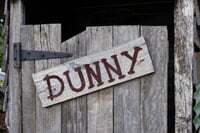
Yes…we are talking about the humble loo… the WC, the lav, the khazy, the good old Aussie backyard dunny.[1] And whether it is an outhouse OR an in-house, whether it is a pristine part of your home or office space or a light-weight transportable port-a-loo, the good old toilet in all its guises and designs, all its shapes and sizes…needs regular cleaning.

E-Coli

Toilets are a rich breeding ground for potentially harmful bacteria. One such nasty is E-coli, a fecal coliform commonly found in human and animal intestines and also in fecal waste matter. While some forms of fecal coliform and E.coli are harmless, others are known to cause severe gastric and dehydration problems which are painful, costly and debilitating. [2]

The Shiga Toxigenic E.coli infection (E.coli 0111 and E.coli 0157) are known to cause diarrheal illness, nausea and vomiting and abdominal cramps, and at worst, can lead to Hemolytic Uremic Syndrome (HUS) which is characterized by kidney failure, bleeding and anemia. These strains of E.coli are easily spread – particularly when individuals come into indirect contact with the particles in contaminated water.

A clean loo is a healthy loo

Envirosafe Solutions understands the need to keep the toilet area of your house or office free from such nasties. Its Extreme Green Toilet Bowl Cleaner is formed from a high foaming sanitizing and cleaning gel with increased viscosity, which means more product punch for your money. It’s phosphate free, non-toxic and has a three point green Envirosafe Hazard rating, making it safe to use in any environment.

Envirosafe Solutions also produces a port-loo companion product that is designed for use in long drop, septic and portable toilets. Great for caravans, boats or remote regions where cassette style or the long drop systems may be in use, The Extreme Green Porta-loo Treatment is fully bio-degradable and can be emptied into a caravan’s waste-system or and enviro-cycle type system with the minimum of fuss. It keeps the area fresh, germ-free and appropriately perfumed and has an indefinite shelf life, making it great for remote areas and travelling. Extreme Green Porta-Loo Treatment is also free of formaldehyde which means it can be used without harming this beautiful land of ours. Simply pour 25 ml into the holding tank with 250mls of water once every seven days for optimum results. Rest assured your toilet area will be clean, germ-free with low waste-impact on the environment.

Call Envirosafe for all your toilet cleaning products, on 1300 88 9070


[1] http://en.wikipedia.org/wiki/Toilet

[2] Shiga Toxigenic Escherichia coli (STEC) Infection Fact Sheet. NSW Department of Health. http://www.health.nsw.gov.au/factsheets/infectious/shigatoxigenic.html

Tags: , , , , , , , , , , , , , , , , , , , , , , , , , , , , , ,

Small Spills Aren’t Thrills

Any kind of hazardous waste spill can be toxic, dangerous and potentially threatening to a population. On a large scale, one only needs to consider recent events such as the Japan Earthquake and the Fukushima Daiichi Nuclear Power Plant incident to understand the full ramifications of a massive spill or leakage of toxic material. According to the International Atomic Energy Agency, in the case of Fukushima there is some risk of radiation contamination through exposure to foodstuff s such as milk and vegetables with radioactive casein and radioactive iodine detected in these products. There is also a continued twenty km exclusion zone around the site, which has meant the complete cessation of entire communities and populations which will now need to be rehoused. [1]

Like Exxon Valdez and the 2010 BP oil spill in the Gulf of Mexico, the Fukushima Daiichi situation is a worst case scenario, gaining major news coverage globally and impacting communities, flora and fauna in extreme ways. But all over the globe, each day, there are literally millions of spills and accidents involving toxic materials that go unchecked, unnoticed and untreated. When there is a clean-up of these mini-spills, they are often performed haphazardly and without due attention, resulting in residual toxic material being left to seep into drain systems, waterways, the groundwater table, the soil and the immediate environment. Oils and petroleum are particularly onerous spill materials, because of this ready ability to leach into the soil and to nearby waterways.

Envirosafe Solutions has formulated an excellent product response to this type of accident, with its Extreme Green SpillZorbe/Zeolite. SpillZorbe/Zeolite is tested to USEPA standards and does not leach into landfill once removed and deposited there in accordance with safe disposal methods.

The natural bonding action of the zeolite makes it a great deal more successful in adsorption and absorption and its particle size gradation successfully maximizes its surface area and therefore its efficacy. It can also be used for bitumen spills, mild acids and alkalis, paint and ink and dyes as well as various other organic toxins.[2] SpillZorbe/Zeolite also has a maximum Envirosafe Hazard rating for health, environment and transport and storage, making it safer to use in the home and the workshop.

It is fully biodegradable, and easy to use; “simply spread the Zeolite around the perimeter of the spill then work in from the edges towards the centre until no free liquid is visible.”[3] It’s as simple as that. However, always dispose of it appropriately in accordance with any local, state and federal regulations.

A spill does not have to be a major global event to require careful attention. Be aware of the smaller spills that occur every day around the house, the workshop, the garage and the office. And be sure to use a quality product that can clean up the residue quickly and effectively.

Call Envirosafe Solutions for product advice and purchase 1300 88 90 70


[1] http://www.iaea.org/About/japan-infosheet.html

[2] www.envirosafesolutions.com.au/productinnerpage.php?cat=28&product=41

[3] ibid

Tags: , , , , , , , , , , , , , , , , , , , , , , , , , , , , , ,

Renewables and Public Policy: Where to from here?

Envirosafe Solutions brings you an update on the United Nations’ latest information on renewable energy approaches. Staying abreast of current and up to date information on sustainable global practices is a feature of the Envirosafe approach to green issues and concerns.

The Intergovernmental Panel on Climate Change maintains it is feasible to project that renewable energy can account for 80% of the world’s energy within forty years. The panel, which is overseen and convened by The United Nations comprises the world’s leading climatologists, and is currently investigating realistic options to the world’s current energy plight. Central to their findings, is the issue of disparate and obstructionist government policies worldwide, which are preventing the effective transition to renewables on a global scale. According to Ramon Pichs, co-chair of one of the panel’s working groups, “the report shows that it is not the availability of renewable resources but the public policies that will either expand or constrain renewable in the coming decades.” Developing countries have an important stake in the future – this is where most of the 1.4 billion people without access to electricity live yet also where some of the best conditions exist for renewable energy deployment.”[1]

These findings, launched at the IPCC’s Abu Dhabi Working Group Sessions on 9th May 2011 augur well for the planet’s future, providing there is policy support from national governments across the world. Youba Sokona, The Co-Chair of the panel’s Working Group III has added that “the potential role of renewable energy technologies is meeting the needs of the poor and in powering sustainable growth of developing and developed economies can trigger sharply polarized views. This IPCC report has brought some much needed clarity to this debate in order to inform government on the options and decisions that will be needed if the world is to collectively realize a low carbon, far more resource efficient and equitable development path.”[2]

The report also reviewed the six main renewable energy technologies:

  • Bioenergy
  • Direct solar energy
  • Geothermal energy
  • Hydropower
  • Ocean energy
  • Wind energy

Perhaps the most relevant aspect of the report is not so much an isolated consideration of these main renewables but a more in-depth consideration of how these more sustainable forms of energy production can be integrated into existing and future energy approaches and systems and policies.

The report also maintains public policies that recognize and “reflect the wider social, economic and environmental benefits of renewable energies, including their potential to cut air pollution and improve public health, will be key for meeting the highest renewable deployment scenarios.”[3]

In view of the Government’s latest 2011 budget in Australia, which left the issue of the environment clearly off the fiscal agenda, it will be interesting to see how Australia responds to the panel’s latest findings. One hopes a full understanding of the need for policy that supports the use of renewables can be developed and implemented worldwide in the coming years.

Envirosafe Solutions is a proudly Australian owned company that supports the use of renewables in industry, homes and business. Call Envirosafe Solutions for more information on their environmentally sustainable products.

Envirosafe Solutions 1300 88 90 70


[1] http://www.guardian.co.uk/environemnt/2011/may/09/ipcc-renewable-energy-power-world

[2] Press Release, IPCC, 2011. http://ipcc.ch/index.htm

[3] Ibid.

Tags: , , , , , , , , , , , , , , , , , , , , , , , , , , , , , ,

Product Focus: Extreme Green Marine Glass Cleaner

Anyone who has lived near or worked around the sea or the ocean knows that salt build up and encrustations are a real problem. The repeated splashing of waves coupled with the process of evaporation often leaves surfaces caked and opaque, and in more extreme cases crusted or filmed with salt crystals that are unsightly and difficult to remove. But more than that, this nasty salt residue can also be classified as a real safety issue, because the film that builds can continue to develop until normal vision through the glass surface is dulled, distorted and in extreme cases, completely obscured.

Envirosafe Solutions has developed a highly effective product that cuts through these salt build ups and can restore glass surfaces to full transparency and full safety levels.  Originally developed and designed for the Navy, Envirosafe Solutions Extreme Green Marine Glass Cleaner removes the salt residues from all types of “ships glass including portholes or any glass surface exposed to salt water spray. Marine craft of all types, Aircraft, Port cranes Vehicles and Buildings and Construction equipment”[1] used near the sea can all be treated with The Extreme Green Marine Glass Cleaner.

Australia is largely a coastal dwelling continent, and many of its inhabitants live on or near coast areas where salt spray, rust and salt and sand encrustations are a part of everyday life. Extreme Green Marine Glass Cleaner is particularly suitable in areas such as these, where vehicles and household glass surfaces such as windows and screens are under constant exposure from the sea-charged elements. Properties and businesses repeatedly exposed to salt spray benefit enormously from this effective and easy-to-use product.

There are a number of benefits to Extreme Green Marine Glass Cleaner. It works quickly and efficiently, reducing the time and cost usually devoted to cleaning marine glass surfaces. And, it can be applied easily and smoothly, directly onto the surface using an atomiser or a similar washer system. There is no fuss and no major preparation required. To complete the job, just follow up with a simple brush and wipe off with a clean and dry cloth. For larger areas squeegees and windscreen wipers can be used with no damage to your equipment or your surfaces.

If you are based around salt water or the sea, or require an outstanding marine glass cleaner for your marine vessels, speak with Envirosafe Solutions’ friendly staff, who can assist you with all your product requirements. Extreme Green Marine Glass Cleaner is available in package sizes ranging from 4 litres through to 1000 litres, making it equally suitable for home, small business and major industry use.

Telephone Envirosafe Solutions on 1300 88 90 70.


[1] www.envirosafesolutions.com.au/productinnerpage.php?cat=9&product=6

Tags: , , , , , , , , , , , , , , , , , , , , , , , , , , , , , ,

On The Nose

What’s that smell? It’s early morning and you arrive at your workplace. It could be a factory or an industrial site. It could be a commercial kitchen or even an aircraft hangar or a veterinary clinic.  It’s a working site where large scale undertakings occur regularly and where benches and sinks are regularly wiped down to minimize soil, dirt, the accumulation of waste product.

Boy oh Boy! And this morning, that smell is bad….in fact it’s downright “on the nose!”

The sludge in the drains has built up again and it’s your job to maintain a high standard of health and cleanliness. So…what can you do?

Extreme Green Waste and Odour Treatment is the solution to the problem. It’s a waste and odour treatment that is kind to the environment because it is a “non-toxic and stable fermentation based product that contains special bio-degradable and environmentally responsible surfactants that utilize naturally occurring compounds.  These compounds actually stimulate microbiological activity that clears odour and sludge in septic systems, long drop toilets grease traps, sinks and drains and even holding ponds, freshening your environment and ridding it of unpleasant smells and odours.”[1]

It’s not only highly effective but also environmentally sound. It won’t hurt our waterways and it won’t damage our landscape. And, when used as directed it has the potential to revitalize the system as it destroys and eliminates the unpleasant smells.

Extreme Green Waste and Odour Treatment can be used in animal areas and veterinary facilities, in food preparation areas and even in abattoirs and chicken and fish processing plants where massive amounts of animal fats and by-product accumulate and need treatment in accompanying holding ponds.

It can also be used in garbage and refuse areas and can be sprayed into garbage disposal units and vehicles to cut down on odour, and has an almost indefinite shelf life when it is stored correctly.*

Whether your industry or concern is large scale or small, Envirosafe Extreme Green Waste and Odour Treatment is available in a packaging size to suit your needs. Whether it is 4 litres or 10 litres, 205 litres or 1,000 litres, Envirosafe Solutions supplies you with quantities that are tailored to your requirements and to your storage areas.

What’s more, Envirosafe’s Extreme Green Waste and Odour Treatment can even be diluted down to a ratio of 1:100 with water for general purpose cleaning and at a 1:25 ratio for heavy duty cleaning. There’s no need to double up or triple up on a whole storage facility of single use products.  Extreme Green Waste and Odour Treatment does it all.  Non-toxic, kind to our delicate environment, safe and bio-degradable and containing only naturally occurring ingredients, Extreme Green Waste and Odour Treatment is the perfect solution to distinct and difficult odours in your workplace.

Call Envirosafe Solutions now to order, on 1300 88 90 70.

*Store in a cool, dry, well ventilated location away from direct sunlight.


[1] http://www.envirosafesolutions.com.au/productinnerpage.php?cat-21&product=21

Tags: , , , , , , , , , , , , , , , , , , , , , , , , , , , , , ,

It’s Easy Being Energy Efficient

Did you know that “conventional electricity from the supply grid currently produces the largest amount of C02 of any energy source per unit of energy used, except in Tasmania where most of the electric power is sourced from hydroelectricity?”[1] Given our reliance on electricity, it certainly gives us a bit to think about in terms of our own usage and our wish to make a personal difference to the plight of the planet.

So, what does it actually mean to “go green?” How can an individual implement new approaches and more sustainable practices in the home and office? There are so many ways we can convert words into action, if we are informed and educated about new green technologies and new green approaches. Developing an energy efficient life approach is just one way of contributing to a reduction in greenhouse gas emissions as well as reducing your energy bills considerably. Envirosafe Solutions offers some easy tips and ideas to help the average householder and business on their way….It’s all about action….

Envirosafe Tips to Increase Your Energy Efficiency

  • Install solar power panels on your roof.
  • Replace old light bulbs with new energy efficient “smart” bulbs. Think about CFLs (compact fluorescents) which use 80% less energy and last up to ten times longer than normal bulbs.
  • Turn off light switches and power points before bed. Your electricity bills will reduce dramatically and you will also be slashing your household’s CO2 emissions.
  • Don’t hesitate to have a home or office assessment done. Sustainability assessments involve a specialized consideration of your approach to power use, water use, refrigeration, cooking and can be done in a couple of hours.
  • When replacing appliances, source energy efficient versions and brands. Appliances actually account for around 30% of a household’s energy usage. Make sure to source brands that have an Australian energy rating label with lots of stars! (The more stars…the greater the efficiency.)
  • When replacing your refrigerator, be sure to purchase a size suited to your lifestyle and your real needs. A big, bold empty fridge that has lots of empty shelves for a couple or a small family, might look great but it will cost a lot more to run.
  • Front loader washing machines are known to be more water and energy efficient. Consider replacing your old top-loader with an eco-friendly front loader.
  • Consider insulation. Insulation prevents heat loss in winter and obstructs heat gain in summer.
  • TURN OFF THAT DRYER and hang the clothes outside! Did you know that a run of the mill clothes dryer actually contributes up to 3kilograms of greenhouse gases to the atmosphere with every load that is dried?
  • Buy a clothes horse and have an undercover drying area for rainy days.
  • Cut down on draughts in your office and/or your home. Did you know that blocking draughts around windows and doors can cut your energy bills by a massive 25%?
  • When cooking, think twice about using the oven. Ovens chew up energy at an alarming rate. Consider a fan-forced oven which uses less electricity, or if possible, switch to electric fry pans and even pressure cookers.
  • Check seals on your oven and your fridge
  • Don’t continually boil water unnecessarily
  • Remember to use a toaster as opposed to a stove or oven griller. Toasters use far less energy and are also more convenient![2]

We hope you enjoy these practical tips and can put them into action…soon.

And lastly of course, source environmentally safe household and industry products that are less harmful to the planet, such as those produced by Australia’s very own Envirosafe Solutions.

Call Envirosafe Solutions on 1300 88 90 70


[1] www.yourhome.gov.au/technical/fs61.html

[2] http://www.livinggreener.gov.au/energy/

Tags: , , , , , , , , , , , , , , , , , , , , , , , , , , , , , ,

Practical Tips for Greywater Reuse

It’s a dry and barren land…and it’s going to get drier. Climatologists predict water will become a more and more precious resource in the coming decades. And with this realization comes a reevaluation of the types of water we use and re-use and the various efficiency measures we can employ to cut our water bills and respect the environment at the very same time. According to the Western Australian Code of Practice for the Reuse of Greywater 2010, we need to “promote acceptable long-term greywater reuse and promote conservation of our quality ground and surface water supplies without compromising public health.”[1]

The longstanding impact of extensive drought in Australia as well as the strain placed on current water supplies by increasing population growth has meant that a concerted approach to the reuse of greywater has become viable and preferable as a mainstream undertaking.  The WA Code notes there are distinct advantages arising from greywater reuse, which include:

  • A reduction in potable water demand
  • A reduction in the amount of wastewater discharged directly into oceans and rivers
  • Healthier gardens, especially through drought periods
  • A clear reduction in household water bills.[2]

So…that’s the theory. Great. But Envirosafe Solutions wants to help you with practical suggestions for greywater use in your home or workplace. Here’s a list of active things you can do…

  • When considering the installation of a greywater system, match reality and need with type of system. There are literally hundreds of systems on the market so be informed and buy one that suits your purposes. DO you need one for indoor use and outdoor use, or will you be restricting your greywater use to the garden?
  • Check with local and state governments to see if you are eligible for assistance or rebates.
  • Match a system to your existing plumbing and drainage. Don’t make the mistake of purchasing a system that is incompatible with the current plumbing in your home or office.
  • When purchasing a greywater system, be sure to enquire about hidden costs. Does the timer, pump or any extra fittings come with the system, or do they cost extra?
  • BE fully informed on how to maintain your new system.
  • Try to keep the wastewater as clean as you can and favour cleaning products that are compatible with greywater use. You’ll be surprised at how many cleaning products are incompatible with greywater systems.[3]

Envirosafe Solutions range of eco-friendly liquids are 100% Australian made and absolutely safe to use with your greywater system. Envirosafe Solutions can advise you on their full range of products so that you can implement a greywater system and plan in your home that is environmentally safe, friendly to the family and cost-effective.

Phone Envirosafe Solutions on 1300 88 90 70.


[1] Code of Practice for the Reuse of Greywater in Western Australia 2010

[2] Ibid. Pp7.

[3] http://livinggreener.gov.au/water/greywater/install-greywater-system

Tags: , , , , , , , , , , , , , , , , , , , , , , , , , , , , , ,

Greenpeace and Non-Violent Direct Action

Envirosafe Solutions keeps a close watch on environmental related events and decisions in Australia and beyond. A recent court decision in New Zealand may eventually influence our own country’s relationship with environmental organisations, their tactics and their status in terms of not-for profit entities.

A 2011 New Zealand High Court decision has stripped New Zealand’s Greenpeace of its “charity status.”  A May 6 appeal was rejected by Justice Paul Heath, who stated that Greenpeace’s “political activities can no longer be regarded as ‘merely ancillary’ to its charitable purposes and that the NZ Charities Commission had been correct in disqualifying it for registration for potentially illegal activities.”[1]

The decision centred around the notion of illegality in relation to Non-Violent Direct Action – a potent form of resistance and activism that hold the opponent morally accountable through a tactic of non-violent resistance. At issue in the New Zealand High Court decision was the specific tactic of “trespass” which has been used by Greenpeace at times.

Justice Heath went on to say that the NZ Charity Commission was “correct in holding that non-violent, but potentially illegal activities (such as trespass,) were designed to put (in the eyes of Greenpeace) objectionable activities into the public spotlight,” and that these “were an independent object disqualifying it from registration as a charitable entry.”[2]

Non-violent Direct Action has a strong history exemplified in the US Civil Rights Movement and the mass civil disobedience resistance lead by Mahatma Gandhi in India in the early 20th Century. It focuses on concentrated passive resistance and is closely aligned to Quaker philosophy and values. Violence is deemed unacceptable morally as a protest tactic. In 2007 John Hepburn, Greenpeace Energy Campaigner, spoke of this Greenpeace, approach as it applied in an Australian context. “There will be accusations of violence and of being ‘un-Australian.’ And the thing is we’ll need to remember what is actually important. Life. And our children’s future. The consequences of doing nothing on climate change are just far too devastating, violent and irresponsible to contemplate. So…Greenpeace will continue taking peaceful direct action as we have done for thirty years.”[3]

Only time will tell whether the New Zealand High Court ruling will have a seepage effect into the Australian context and on Greenpeace’s use of Non Violent Direct Action tactics here.  If this is the case in the future, the modus operandi of many charitable organisations linked with environmental change will be affected considerably.

One thing does remain clear and that is the need for consistent effort in relation to environmental concerns and issues worldwide. Each of us can play a small part, from more vocal and robust activism through to considered choices regarding the products we use in the home, in the office, in our schools and in our industry.  Each of us can join the Green Revolution.

Call Envirosafe Solutions and find out more about their range of quality Australian made enviro-friendly products  1300 88 90 70 .


[1] McBeth, P. “Greenpeace too political to register as a charity, NZ court rules.” Sourced: http://www.scoop.co.nz/stories/BU1105/

[2] Ibid.

[3] Hepburn,J. Thirty years of Peaceful Direct Action. http://www.greenpeace.org.au/Australia/news-and-events/opinions/30-years-of-peaceful-direct-ac

Tags: , , , , , , , , , , , , , , , , , , , , , , , , , , , , , ,

Green Travel

Envirosafe Solutions encourages all householders to consider their sustainability practices within the home, and also to consider the way in which they travel to and from work and to and from recreational activities or social events of a weekend. According to the Australian Government’s Living Greener website, “the average passenger car travels 13,700 kilometres per year and emits 3.5 tonnes of carbon dioxide. And, for every litre of petrol used in a motor vehicle, 2.3 kilograms of carbon dioxide are emitted from the exhaust.”[1]

In today’s world, we have an acute dependence on our cars and while they are convenient, mostly reliable and facilitate ease of travel, they are a grave threat to the atmosphere because of their CO2 emissions.  But there are a number of simple actions we can take that can reduce our own contributions to greenhouse gases and help shift the world towards a brighter and greener future.

  • When purchasing a new or a used car, be sure to research the efficiency of make and model on the Australian governments Green Vehicle Guide website. The site helps with a simple and effective rating system that is “calculated using data provided by manufacturers from testing the vehicle against Australian standards.” [2]
  • Use public transport. Every time you use public transport it makes a difference! It’s never too little…or too late. Have you ever noticed how many peak hour cars hold only one individual? Take a brisk walk to the train station or the bus or the ferry and read the paper on the way to work. You’ll get some exercise in as an added bonus.
  • Have you thought about car-pooling? Car-pooling is an extremely effective method of reducing emissions and costs to consumers. Are there a few employees in your place of business who live near each other? Perhaps you could settle on a collection point and take one car from there to your collective destination.
  • Ride a bicycle the whole or part of the way to work or to school. You’ll save a fortune in petrol and it will do wonders for your heart, lungs and general health.

Committing to a reduction in the use of a motor vehicle is not a “huge ask.” It simply requires forward planning and thinking, and a willingness to change some ingrained habits that are interlinked with our strong dependence on that motor vehicle out in the garage. Try a few small and simple changes to begin with and work up from there.  It’s never too late to join the Green Revolution.

For information on a green approach to work and household practices, call Envirosafe Solutions on 1300 88 90 70


[1] http://livinggreener.gov.au/travel

[2] http://www.greenvehicleguide.gov.au

Tags: , , , , , , , , , , , , , , , , , , , , , , , , , , , , , ,

Graffiti – If you Spray You Pay

Graffiti continues to pose a substantial cost to local and state governments, nationally. Time and again, community members wake to find an expanse of pristine wall across the road from their homes or businesses, “tagged” with the latest spray painted graphics of street artists who use public and private wall spaces, roads and street surfaces as their canvases. It is an ongoing problem and an ongoing concern and costs the taxpayer millions of dollars each year.

In an effort to curb the problem, South Australian Police have proposed a new approach, stating that offenders should be made to pay compensation.

At the moment, the laws governing graffiti in South Australia are under review and up for consideration are ideas in relation to effective punitive measures that actually deter graffiti artists from tagging. South Australian Police Commissioner Mal Hyde believe “a HECS style scheme where offenders are made to pay compensation for the damage their graffiti causes, once their income is high enough,”[1] may be the way to approach it.

Director of the South Australian Youth affairs Council, Anne Bainbridge disagrees and says restorative justice s a more effective method of dealing with youth graffiti. “This entails young people who have committed graffiti vandalism being involved in cleaning the vandalism or restoring the vandalism, and also engaging with the broader community about the effect that behavior has on the community.”[2]

The problem is so significant Australia wide, that the New South Wales government has even issued a detailed publication on graffiti for use by local government, planners and designers. Titled the “NSW Graffiti Solutions Handbook,” it outlines the cost to the community, its sub-cultural value to youth as a component of contemporary pop culture, as well as various means and ways of addressing the management of graffiti and its removal, across the state.  Part of the approach entails educating youth on the development of legal pieces in designated local government areas or areas where youths might congregate such as youth centres, skate parks and recreational parks.[3]

Envirosafe Solutions has developed a highly effective and specialized graffiti cleaner that can remove tags and obtrusive and unwanted graffiti art from most surfaces. Extreme Green Graffiti Remover is an environmentally friendly alternative to older style graffiti removers that contained harsh, toxic acids that were unsafe and difficult to use.

It can remove liquid paper, crayon, whiteboard marker, permanent texta markings, ink and spray paint. And it can be applied to a variety of surfaces such as glass, brick wood, concrete, metals, masonry surfaces and plastic. It is suitable for use on just about any surface that has been vandalized by tagging and graffiti art.

If you require an eco-friendly graffiti remover for your surfaces, call Envirosafe Solutions on 1300 88 90 70


[1] Haxton, N.Payback  Proposed to punish graffiti vandals. http://abc.net.au/news/stories/2011/05/113213566.htm

[2] Ibid.

[3] NSW Graffiti Solutions Handbook for Local Government, Planner, Designers and Developers. NSW Premiers Department. 2000.

Tags: , , , , , , , , , , , , , , , , , , , , , , , , , , , , , ,

Getting Rid of Gunk the Enviro-friendly Way

A commercial kitchen is a bustling and bombastic environment, fuelled by hard work, creativity and the delivery of food products that are tasty, well prepared, and clean and visually appealing. And the kitchen site where food is cooked needs to be fresh, clean and free from grease and caked on gunk that can compromise health and safety for clients, management and for staff.

We’ve probably all seen a large scale industrial kitchen at some point. Perhaps we’ve worked in one or perhaps we’ve seen its machinations on television. It’s a large-scale orchestrated production with big pots and big pans and big stoves and big ovens. Everything is downright BIG. Imagine an army barracks, or a naval ship. Imagine a functioning mid-shift hotel kitchen or a nursing home or a hospital concern where meals are prepared by the hundreds and even the thousands. You get the idea. Everything – including mess – is go go go.

Raw ingredients and raw produce are in bulk, and the ingredients are prepped and heated on massive griddles and stovetops. And by the end of the shift – with all that slip and slop and slap – the kitchen gunk is well and truly grimed in.

Ordinary cleaning products will not do the job. You need an outstanding kitchen degreaser that can work wonders in minutes and do it in a way that is economically viable and also environmentally safe and sound. In today’s hospitality and services industry, this is what is expected. In today’s workplace climate, this is what is required.

Envirosafe Solutions Extreme Green Kitchen Degreaser contains no petro solvents or harsh acids.  It easily dissolves kitchen grease, caked and burnt foodstuffs and encrusted carbon deposits on griddles, stovetops and spiders. Your work areas will sparkle and shine like new, and will be ready and rearing to go for the next shift. It can also be used on exhaust fans and extraction filters and because it does not contain caustics, you know you can switch on fans and filters without the usual first switch odour that is both unfavourable and potentially hazardous to your workforce.

With an Envirosafe Green rating for health, environment and transporting, you know you are using a product that achieves results and also respects the delicate balance of the planet and the immediate environment.

Just place griddles and spiders into soak tanks and dilute Extreme Green Kitchen degreaser in accordance with directions and soak tank size. Forget hours and hours of elbow grease and endless scouring. Envirosafe Extreme Green Kitchen Degreaser can do the job for you while respecting and sustaining our delicate and much loved environment.

Telephone Envirosafe Solutions now  1300 88 90 70

Tags: , , , , , , , , , , , , , , , , , , , , , , , , , , , , , ,

Eye of the Tiger

Envirosafe Solutions takes a brief look at the plight of the endangered Sumatran Tiger.

For the past thirty years, Australia has had an ongoing love affair with the small island of Bali. It is now a major tourist destination for vacationers wishing to experience a brief glimpse of Asia and all it has to offer, whilst maintaining a steady connection with western style resort level accommodation and services.

But how many Australians actually move beyond this Hindu-based Island and venture further a field into the island regions of Sumatra, Java and the smattering of smaller islands than comprise this highly populated country? How many are aware that just a plane flight away, the great Sumatran Tiger is under threat of extinction?

Many indeed would be unaware of the plight of the Sumatran Tiger in the region of Bukit Tigapuluh. Bukit Tigapuluh is one of the last remaining remnants of lush rainforest that earned Indonesia the nickname “Jewel of the Equator” over seventy years ago. Most recently, World Wildlife Fund camera traps “recorded an astounding 12 tigers in just two months in this area, including two mothers with cubs and three young tiger siblings playfully chasing a leaf.”[1]

The sense of innocence this image conveys is palpable. Cubs and mothers in the wild, snatching and clawing at jungle leaves and fraying vines conjure an idyllic existence befitting the pride of the forest. And yet, there are only some 400 Sumatran Tigers remaining in the wild, along with another five surviving subspecies (Bengal, Amur, Malayan, Indochinese and Chinese.) Today, the total number of all these tigers is estimated to be as few as 3,200 which is a far cry from the 100,000 in existence around a century ago. WWF is working to build the political, financial and public support to double the number of tigers in the wild by 2022.

Around 10% – or approximately 30 – of the world’s remaining Sumatran Tigers inhabit the forest of Bukit Tigapuluh (or Thirty Hills, as it translates to in English.) Half of Bukit Tigapuluh is national park, but the flatland forest areas favoured by The Sumatran Tiger, the Orangutan and endangered elephants – those low lying areas outside of National Park control – “are under immediate threat from large scale commercial logging from the pulp and paper industry.”[2]

Envirosafe Solutions has a “think before you print” workplace approach, and prides itself on the development and maintenance of workplace practices that translate to recycling, sustainability and low paper usage. Envirosafe Solutions understands that we all have a choice, and when we purchase the typing paper that sits on our office desks and home work stations, we can check to see that it is sourced from recycled paper or from plantation timber rather than old growth forest areas.

The Sumatran Tiger faces extinction. Our work and home habits and practices can have a direct and indirect impact on the sustainability of threatened species in Australia and Indonesia and beyond.

An ethical approach to the environment is possible with Envirosafe Solutions.

Phone them for eco-friendly products on 1300 88 90 70.


[1] http://www.worldwildlife.org/who/media/press/2011/WWFPresitem21209.html?intcmp=HPPolaroid-CaughtonCamera

[2] Last Chance to Save Bukit Tigapuluh. Sumatran Tigers, elephants orang-utans and indigenous tribes face extinction along with forest. KKI WARSI,  Frankfurt Zoological Society, Eyes on the Forest, WWF-Indonesia, 2010.

Tags: , , , , , , , , , , , , , , , , , , , , , , , , , , , , , ,

Extreme Weather and Climate Change

Envirosafe Solutions knows a healthy attitude to home and work practices – turning off lights and switches, reducing electricity, focusing on recyclables and even car-pooling, all contribute to effective impact in increments, on global warming and its associated problems.

Over the past twenty years there has been increasing speculation over the link between climate change and increased C02 emissions in the atmosphere and global warming or “climate change.”  In February 2011, just a few weeks after record torrential rainfall in Europe in the northern hemisphere and just a few weeks short of the devastating and historic Queensland floods, the ABC reported on a new study that again suggested a link between a heating earth atmosphere and increased rates of rainfall and human practices.

The study’s co-author, Dr. Francis Zwiers from Canada’s University of Victoria said it showed “that human-induced increases in greenhouse gases have contributed to the observed intensification of heavy precipitation events found over approximately two-thirds of data-covered parts of Northern Hemisphere land areas.”[1]

The Greenhouse Effect

Simply stated, the mean temperature of our earth’s surface and the world’s patterns of climate, are reliant on a finely tuned balance between the incoming short wave or solar energy and the dispersing or outgoing infrared radiation emitted from the Earth’s surface.  Concentrations of greenhouse gases such as methane, C02, nitrous oxide and CFC’s lock and trap the outgoing infrared radiation and keep the planet warmer that it would otherwise be. With a rise in the concentration of greenhouse gases, comes an accompanying rise in the global temperature, which in turn leads to an amplified greenhouse effect and more tumultuous weather patterns. [2]

Dr Roger Stone from the University of QLD described the study as “robust,” and said that CSIRO studies focusing on South Eastern Queensland also indicated a link between increased rainfall or “deep convection” and climate change.[3] The events in Toowoomba, Grantham and Brisbane in recent months in Australia certainly indicated a pronounced rainfall pattern of unusual intensity that resulted in devastation to property, land and considerable loss of life.

Climate Change and global warming are high on the environmental discussion agenda at present. Envirosafe Solutions encourages sound and safe environmental practices at work and at home in an effort to reduce our human impact on the delicate climatic balances of the world.

Telephone Envirosafe Solutions on 1300 88 90 70


1. Francis W. Zwiers Gabriele C. Hegerl Xuebin Zhang, Seung-Ki Min. Human Contribution to More Intense Precipitation Extremes. Nature Magazine 470. 378-381. (17 February 2011.)

[2] Vellinga, P., Van Verseveld, W.J., Climate Change and Extreme Weather Events. Pp. 6-10. Institute of Environmental Studies, University of Amsterdam, 2000.

[3] http://www.abc.net.au/news/stories/2011/02/17/3141472.htm

Tags: , , , , , , ,

Eco-Friendly Supply to Hospitals, Clinics and aged Care.

On Anzac Day each year, young and middle aged Australians are reminded of the reality of battle, and the realities faced by those older generations who lived through the horrors and vagaries of both The First and Second World Wars. But aside from that one day a year, how often do we stop to think about the older members of our society, their service to our community, and their current requirements in terms of comfort, safety, support and ongoing wellbeing?

Envirosafe Solutions Extreme Green Range is a proud supplier to many industries and their products are ideally suited to hospitals, clinic and aged care concerns. It understands the requirement of Australia’s ageing population and the need to supply care facilities with products that match the standards deserved by our older community members. According to the Australian Bureau of Statistics our  “population, like that of most developed countries, is ageing as a result of sustained low fertility and increasing life expectancy  Over the next several decades, population ageing is projected to have significant implications for Australia, including for health, labour force participation, housing and demand for skilled labour. (Australia to 2050: Future Challenges, January 2010 (Intergenerational Report 2010), Attorney-General’s Department).[1]

Population Aged 65 years and over.

Graph courtesy Australian Bureau Statistics 2010.

According to the same study, “over the past twenty years the number of people over the age of 85 years has increased by a massive 170.6%, compared with a total population growth of nearly 31% for the same period, and an increased life expectancy has contributed to this rise.” [2]

With an increasing proportion of this sector of the population requiring optimal health and aged care in later years, it is important for industry to stay abreast of the needs of this sector, in both an economic and ethical sense.

Hospitals, care facilities, nursing homes and aged care environments have a constant demand for high quality industrial liquids that are environmentally sound, safe and low-impact. The ageing populations housed by these facilities are fragile and susceptible to infection, disease and allergy, and that is why the use of low toxicity, low odour and non-irritating liquids such as those produced by Envirosafe Solutions is a must.

The Extreme Green Range is suitable for use in health care facilities, nursing homes and other aged care facilities, and includes Extreme Green Dishwasher Liquids for hand and machine dishwashing, as well as The Extreme Green Kitchen Degreaser and Heavy Duty Cleaner/Deodoriser. The latter is an exceptional multi-purpose cleaner and odour-control agent that is fully biodegradable and safe to use around the elderly. It will keep drain and sewerage facilities in large scale concerns free from unpalatable odours and organic build up and help the ageing communities residing in large facilities to live peacefully and freely with ease and comfort.

If you need to source exceptional eco-friendly products for your aged care facility or hospital, call Envirosafe Solutions and speak with one of their customer consultants on 1300 88 90 70.


[1] http://www.abs.gov.au/ausstats/abs@.nsf/mf/3201.0

[2] Ibid.

Tags: , , , , , , ,

Budget delivers ‘pollution subsidy’ reform

Budget TaxCompany tax breaks – labelled ‘pollution subsidies’ by green lobbyists – were under scrutiny in this year’s Federal Budget. The Government delivered an environmental winfall for the Greens, announcing it would reform the Fringe Benefit Tax in a move anticipated to cut company car usage and greenhouse gas emissions. At the same time the Budget has retained the Fuel Tax Credit subsidy, a decision criticised by green revolution proponents but welcomed by the transport industry.

Reforms to a company tax subsidy criticised for encouraging car usage and increasing pollution has been welcomed by the Australian Conservation Foundation.

The ACF has praised the Federal Budget for supporting the green revolution and tackling the company Fringe Benefit Tax subsidy, claiming it encouraged fossil fuel use and resulted in increased in greenhouse gas emissions.

It claimed the tax subsidy cost taxpayers $1 billion each year and encouraged ‘excessive driving of company cars’ by offering higher tax relief for higher vehicle usage.

While praising promised reform of the Fringe Benefit tax, ACF chief executive Don Henry was critical of Budget environmental measures.

“The reform of the Fringe Benefit Tax subsidy saves the budget money and curbs greenhouse pollution from company cars, but the missed opportunity to adequately fund the protection and restoration of our natural environment will prove costly to all Australians in the future.”

The ACF said Government spending on key environmental programs was inadequate and criticised a decision to defer tax breaks for ‘green revolution’ buildings and cut $156 million from the National Solar Schools program.

It has called for further reform of so-called ‘pollution subsidies, singling out the Fuel Tax Credits scheme, which it claimed cost Australian taxpayers $5 billion each year.

“Every household in Australia is contributing about $200 a year so companies like BHP Billiton and Rio Tinto don’t have to pay a single cent in tax for the diesel they use in their off-road mining operations – this subsidises pollution and must change.”

This view has been challenged by industry, including the transport sector which praised the Government for retaining the fuel tax credit system.

Australian Trucking Association chief executive Stuart St Clair said abolishing the fuel tax credits would only act to push up the prices of goods delivered by truck.

“The Australian Conservation Foundation attacked the Government for not doing away with our fuel tax credits. They want to abolish them because of their wrong-headed belief that more freight would be transported by rail.

“But there isn’t a railway siding at the back of your local supermarket. Their policy would simply push up prices for everyone who buys goods delivered by truck – and that’s every single person in Australia.”

The challenge facing heavy-polluters, including the transport industry, has been balancing the demand for products and services with the economic and social benefits of joining the green revolution. Some changes being considered by the transport industry include:

  • Switching to CNG, LPG or biofuel alternatives;
  • Improving vehicle aerodynamics to reduce drag;
  • Replacing solvent-based cleaners with environmental cleaning products;
  • Educating drivers on techniques to reduce fuel consumption.

Envirosafe Solutions has welcomed Budget measures that support the green revolution yet remains sensitive to the challenges facing Australian companies. It has been working with heavy-polluting industries including the transport and mining sectors to help achieve more sustainable practice.

The Perth-based suppliers of eco-friendly liquid products have biodegradable, natural-based solutions for nearly every commercial and industry chemical. Its Extreme Green range of environmentally friendly liquids include its Soil-Wetta, Dust Suppressor, Insect and Tar Remover and Solvent-free Degreaser. For more information on Envirosafe Solutions products contact 1300 88 90 70 or email: info@evss.com.au

Sources:

http://www.acfonline.org.au/articles/news.asp?news_id=3397 http://www.primemovermag.com.au/news/article/fuel-tax-credits-remain

Tags: , , , , , , ,

<