



1300 88 90 70
  • EXTREME GREEN - JOIN THE REVOLUTION!
Blog Categories

Airports and Airlines

Aviation Applications: Meeting Industry Standards with Sustainable Industrial Liquids

Aviation industrial liquids must meet strict standards for every maintenance operation. Aviation maintenance demands precision. The wrong product corrodes components, voids warranties, or fails regulatory audits. The right product cleans effectively while protecting airframes, engines, and sensitive avionics.

At Envirosafe Solutions, we supply these products designed for hangars, line maintenance, and overhaul facilities. Here’s what operations need to know.

Aviation Industrial Liquids and Industry Standards

Aviation industrial liquids must meet strict standards. Regulators — CASA in Australia, FAA in the United States, EASA in Europe — set requirements for chemicals used near aircraft. These standards cover:

  • Material compatibility (aluminium, titanium, composites)
  • Residue profiles (no film left that attracts debris)
  • Flash points and fire safety
  • Environmental discharge limits

Using non-compliant products risks regulatory action, insurance voidance, and airworthiness certificates. Therefore, choosing rated aviation industrial liquids is not optional — it is mandatory.

Why Specialised Formulations Matter

A degreaser that works on a mining truck may attack aluminium airframe alloys. Similarly, a general-purpose cleaner can leave conductive residue on avionics. Because of this, aviation industrial liquids require specialised chemistry for each application.

Furthermore, these products must balance effectiveness with safety. For instance, aggressive solvents might clean well but damage composite materials or harm technician health. Consequently, matching the product to the specific task is critical for both performance and compliance.

Common Applications for Aviation Maintenance Fluids

Our aviation industrial liquids serve multiple maintenance functions:

  • Degreasing: Engine components, landing gear, hydraulic systems
  • Surface cleaning: Fuselage prep before inspection or repainting
  • Avionics cleaning: Sensitive electronic components without residue
  • Cabin and interior treatment: Cleaning and deodorising passenger and crew areas

Each application demands different chemistry. However, all must meet the same strict standards for aircraft safety.

Container Sizes for Maintenance Operations

Aviation maintenance facilities range from small regional operators to major overhaul bases. Therefore, we supply these products in multiple volumes:

  • 20-litre drums for small maintenance shops
  • 205-litre drums for line maintenance stations
  • 1000-litre IBCs for major overhaul facilities

Start with a 20-litre trial to verify compatibility with your specific aircraft types and processes. Additionally, scale up once confirmed.

How to Order

Browse our product range to see aviation industrial liquids available for your operation. Request a quote and we’ll confirm pricing, container size, and delivery schedule. Every order is reviewed to ensure you get the right product for your application.

Alternatively, read our article on how to choose sustainable industrial liquids for guidance on selecting the right product for your industry.

About Envirosafe Solutions

Perth-based, Australian-owned. We supply sustainable industrial liquids including aviation industrial liquids, degreasers, dust suppressants, and specialised cleaning solutions. All products carry independent safety ratings for health, environment, and transport.

Learn more about CASA requirements for aircraft washing and approved cleaning products.


Understanding Safety Ratings for Sustainable Industrial Liquids

When you buy sustainable industrial liquids, the label tells you what the product does. But the safety ratings tell you how it affects your people, your site, and your compliance position.

At Envirosafe Solutions, every product carries independent ratings. Here’s what they mean and why they matter.


What the Safety Ratings Measure

Our products are rated across three categories:

  • Health: How safe is the product for workers handling it daily?
  • Environment: What happens if it enters soil, water, or air?
  • Transport/Storage: How hazardous is the product to ship and store?

These ratings are independent assessments, not marketing claims. They give you objective data for your OH&S records and environmental reporting.

Health Ratings Explained

Health ratings reflect direct exposure risk:

  • Skin contact
  • Inhalation
  • Eye contact
  • Ingestion

A higher health rating means lower risk. Our sustainable industrial liquids are formulated to minimise worker exposure without compromising performance. This reduces PPE requirements, training burden, and incident risk.

Environment Ratings Explained

Environmental ratings measure:

  • Biodegradability
  • Aquatic toxicity
  • Soil impact
  • Air quality effects

If your operation discharges to septic systems, waterways, or sensitive environments, this rating determines your compliance exposure. Many of our products carry septic safe ratings specifically for this reason.

Transport and Storage Ratings

These ratings affect:

  • Shipping costs (hazardous goods surcharges)
  • Storage requirements (segregation, ventilation, bunding)
  • Insurance premiums
  • Emergency response planning

Lower transport/storage safety ratings mean simpler logistics and lower overhead.

How to Use Safety Ratings

When comparing sustainable industrial liquids, don’t just look at price. Check the ratings:

  • A cheaper product with poor health ratings costs more in PPE and training
  • A product with high environmental ratings may reduce your compliance burden
  • Transport ratings directly affect your freight costs

Request the Safety Data Sheet (SDS) for any product you’re considering. Review it with your OH&S officer before ordering. Browse our product range to see available sustainable industrial liquids and their safety ratings.

Why Independent Safety Ratings Matter

Manufacturer claims are marketing. Independent safety ratings are verification. At Envirosafe, we subject our sustainable industrial liquids to third-party assessment because your compliance and safety depend on objective data, not promises.


About Envirosafe Solutions

Perth-based, Australian-owned. We supply sustainable industrial liquids including degreasers, corrosion inhibitors, dust suppressants, and specialised cleaning solutions. All products carry independent safety ratings for health, environment, and transport.

Learn more about essential resources for hazardous chemical safety including Safe Work Australia codes of practice .

Request a quote to discuss which sustainable industrial liquids match your safety ratings requirements.

Home » Articles


Government

Understanding Safety Ratings for Sustainable Industrial Liquids

When you buy sustainable industrial liquids, the label tells you what the product does. But the safety ratings tell you how it affects your people, your site, and your compliance position.

At Envirosafe Solutions, every product carries independent ratings. Here’s what they mean and why they matter.


What the Safety Ratings Measure

Our products are rated across three categories:

  • Health: How safe is the product for workers handling it daily?
  • Environment: What happens if it enters soil, water, or air?
  • Transport/Storage: How hazardous is the product to ship and store?

These ratings are independent assessments, not marketing claims. They give you objective data for your OH&S records and environmental reporting.

Health Ratings Explained

Health ratings reflect direct exposure risk:

  • Skin contact
  • Inhalation
  • Eye contact
  • Ingestion

A higher health rating means lower risk. Our sustainable industrial liquids are formulated to minimise worker exposure without compromising performance. This reduces PPE requirements, training burden, and incident risk.

Environment Ratings Explained

Environmental ratings measure:

  • Biodegradability
  • Aquatic toxicity
  • Soil impact
  • Air quality effects

If your operation discharges to septic systems, waterways, or sensitive environments, this rating determines your compliance exposure. Many of our products carry septic safe ratings specifically for this reason.

Transport and Storage Ratings

These ratings affect:

  • Shipping costs (hazardous goods surcharges)
  • Storage requirements (segregation, ventilation, bunding)
  • Insurance premiums
  • Emergency response planning

Lower transport/storage safety ratings mean simpler logistics and lower overhead.

How to Use Safety Ratings

When comparing sustainable industrial liquids, don’t just look at price. Check the ratings:

  • A cheaper product with poor health ratings costs more in PPE and training
  • A product with high environmental ratings may reduce your compliance burden
  • Transport ratings directly affect your freight costs

Request the Safety Data Sheet (SDS) for any product you’re considering. Review it with your OH&S officer before ordering. Browse our product range to see available sustainable industrial liquids and their safety ratings.

Why Independent Safety Ratings Matter

Manufacturer claims are marketing. Independent safety ratings are verification. At Envirosafe, we subject our sustainable industrial liquids to third-party assessment because your compliance and safety depend on objective data, not promises.


About Envirosafe Solutions

Perth-based, Australian-owned. We supply sustainable industrial liquids including degreasers, corrosion inhibitors, dust suppressants, and specialised cleaning solutions. All products carry independent safety ratings for health, environment, and transport.

Learn more about essential resources for hazardous chemical safety including Safe Work Australia codes of practice .

Request a quote to discuss which sustainable industrial liquids match your safety ratings requirements.

Home » Articles


How to Choose Sustainable Industrial Liquids for Your Operation

Choosing the right sustainable industrial liquids for your operation isn’t just about picking a product off the shelf. The wrong choice wastes money, risks safety, and can damage equipment. The right choice improves efficiency, reduces environmental impact, and keeps your team safe.

At Envirosafe Solutions, we supply a range of sustainable industrial liquids — from degreasers and corrosion inhibitors to dust suppressants and specialised cleaning solutions. Here’s how to choose the right one for your needs.


Assess Your Application

Start with the problem, not the product. What are you trying to achieve?

  • Remove grease and oil from machinery?
  • Prevent corrosion on metal surfaces?
  • Suppress dust on haul roads or construction sites?
  • Clean aviation components to industry standards?
  • Sanitise food processing equipment?

Each application demands different chemistry. A degreaser that works brilliantly on mining equipment may be too aggressive for aviation parts. Therefore, matching the sustainable industrial liquids to the task is the first step.

Check the Safety Ratings

All Envirosafe products carry independent safety ratings for health, environment, and transport. These ratings tell you:

  • Health: How safe is the product for your workers?
  • Environment: What is the ecological impact?
  • Transport/Storage: How hazardous is shipping and handling?

Additionally, many products carry septic safe ratings. If your operation discharges to septic systems or sensitive waterways, this matters.

Request the Safety Data Sheet (SDS) for any sustainable industrial liquids you’re considering. Review it with your OH&S officer before ordering.

Consider Concentration and Dilution

Some sustainable industrial liquids are ready to use. Others are concentrates that dilute with water. Concentrated products cost less per litre but require accurate mixing. Ready-to-use products save time but cost more upfront.

For large operations with dedicated mixing equipment, concentrates make sense. For smaller sites or occasional use, ready-to-use may be more practical.

Evaluating Container Sizes

We supply sustainable industrial liquids in standard container sizes: 5-litre, 10-litre, 20-litre, 205-litre drum, and 1000-litre IBC. Choose based on:

  • Usage rate: How much do you consume monthly?
  • Storage space: Do you have room for IBCs or only drums?
  • Handling equipment: Do you have forklifts and pumps, or manual handling only?
  • Shelf life: Will you use the product before it expires?

If you’re unsure, start with a 20-litre trial. Once you confirm the product works for your application, scale up to 205-litre drums or 1000-litre IBCs.

Request Samples or Trials

We offer discounted pricing for samples and trial quantities for most of our sustainable industrial liquids. Testing on your actual equipment, in your actual conditions, eliminates guesswork. Additionally, our team can advise on dilution ratios, application methods, and compatibility with your existing processes.

Request a Quote

Once you’ve identified the right sustainable industrial liquids for your operation, request a quote. We’ll confirm pricing based on your volume, container size, and delivery location. No automated checkout — every order is reviewed to ensure you get the right product, the right volume, and the right freight option.

Browse our full product range to see all available sustainable industrial liquids.


About Envirosafe Solutions

Perth-based, Australian-owned. We supply sustainable industrial liquids including degreasers, corrosion inhibitors, dust suppressants, and specialised cleaning solutions. All products carry independent safety ratings for health, environment, and transport.

Learn more about managing hazardous chemicals in the workplace

Home » Articles


Corporate Offices & Businesses

Understanding Safety Ratings for Sustainable Industrial Liquids

When you buy sustainable industrial liquids, the label tells you what the product does. But the safety ratings tell you how it affects your people, your site, and your compliance position.

At Envirosafe Solutions, every product carries independent ratings. Here’s what they mean and why they matter.


What the Safety Ratings Measure

Our products are rated across three categories:

  • Health: How safe is the product for workers handling it daily?
  • Environment: What happens if it enters soil, water, or air?
  • Transport/Storage: How hazardous is the product to ship and store?

These ratings are independent assessments, not marketing claims. They give you objective data for your OH&S records and environmental reporting.

Health Ratings Explained

Health ratings reflect direct exposure risk:

  • Skin contact
  • Inhalation
  • Eye contact
  • Ingestion

A higher health rating means lower risk. Our sustainable industrial liquids are formulated to minimise worker exposure without compromising performance. This reduces PPE requirements, training burden, and incident risk.

Environment Ratings Explained

Environmental ratings measure:

  • Biodegradability
  • Aquatic toxicity
  • Soil impact
  • Air quality effects

If your operation discharges to septic systems, waterways, or sensitive environments, this rating determines your compliance exposure. Many of our products carry septic safe ratings specifically for this reason.

Transport and Storage Ratings

These ratings affect:

  • Shipping costs (hazardous goods surcharges)
  • Storage requirements (segregation, ventilation, bunding)
  • Insurance premiums
  • Emergency response planning

Lower transport/storage safety ratings mean simpler logistics and lower overhead.

How to Use Safety Ratings

When comparing sustainable industrial liquids, don’t just look at price. Check the ratings:

  • A cheaper product with poor health ratings costs more in PPE and training
  • A product with high environmental ratings may reduce your compliance burden
  • Transport ratings directly affect your freight costs

Request the Safety Data Sheet (SDS) for any product you’re considering. Review it with your OH&S officer before ordering. Browse our product range to see available sustainable industrial liquids and their safety ratings.

Why Independent Safety Ratings Matter

Manufacturer claims are marketing. Independent safety ratings are verification. At Envirosafe, we subject our sustainable industrial liquids to third-party assessment because your compliance and safety depend on objective data, not promises.


About Envirosafe Solutions

Perth-based, Australian-owned. We supply sustainable industrial liquids including degreasers, corrosion inhibitors, dust suppressants, and specialised cleaning solutions. All products carry independent safety ratings for health, environment, and transport.

Learn more about essential resources for hazardous chemical safety including Safe Work Australia codes of practice .

Request a quote to discuss which sustainable industrial liquids match your safety ratings requirements.

Home » Articles


How to Choose Sustainable Industrial Liquids for Your Operation

Choosing the right sustainable industrial liquids for your operation isn’t just about picking a product off the shelf. The wrong choice wastes money, risks safety, and can damage equipment. The right choice improves efficiency, reduces environmental impact, and keeps your team safe.

At Envirosafe Solutions, we supply a range of sustainable industrial liquids — from degreasers and corrosion inhibitors to dust suppressants and specialised cleaning solutions. Here’s how to choose the right one for your needs.


Assess Your Application

Start with the problem, not the product. What are you trying to achieve?

  • Remove grease and oil from machinery?
  • Prevent corrosion on metal surfaces?
  • Suppress dust on haul roads or construction sites?
  • Clean aviation components to industry standards?
  • Sanitise food processing equipment?

Each application demands different chemistry. A degreaser that works brilliantly on mining equipment may be too aggressive for aviation parts. Therefore, matching the sustainable industrial liquids to the task is the first step.

Check the Safety Ratings

All Envirosafe products carry independent safety ratings for health, environment, and transport. These ratings tell you:

  • Health: How safe is the product for your workers?
  • Environment: What is the ecological impact?
  • Transport/Storage: How hazardous is shipping and handling?

Additionally, many products carry septic safe ratings. If your operation discharges to septic systems or sensitive waterways, this matters.

Request the Safety Data Sheet (SDS) for any sustainable industrial liquids you’re considering. Review it with your OH&S officer before ordering.

Consider Concentration and Dilution

Some sustainable industrial liquids are ready to use. Others are concentrates that dilute with water. Concentrated products cost less per litre but require accurate mixing. Ready-to-use products save time but cost more upfront.

For large operations with dedicated mixing equipment, concentrates make sense. For smaller sites or occasional use, ready-to-use may be more practical.

Evaluating Container Sizes

We supply sustainable industrial liquids in standard container sizes: 5-litre, 10-litre, 20-litre, 205-litre drum, and 1000-litre IBC. Choose based on:

  • Usage rate: How much do you consume monthly?
  • Storage space: Do you have room for IBCs or only drums?
  • Handling equipment: Do you have forklifts and pumps, or manual handling only?
  • Shelf life: Will you use the product before it expires?

If you’re unsure, start with a 20-litre trial. Once you confirm the product works for your application, scale up to 205-litre drums or 1000-litre IBCs.

Request Samples or Trials

We offer discounted pricing for samples and trial quantities for most of our sustainable industrial liquids. Testing on your actual equipment, in your actual conditions, eliminates guesswork. Additionally, our team can advise on dilution ratios, application methods, and compatibility with your existing processes.

Request a Quote

Once you’ve identified the right sustainable industrial liquids for your operation, request a quote. We’ll confirm pricing based on your volume, container size, and delivery location. No automated checkout — every order is reviewed to ensure you get the right product, the right volume, and the right freight option.

Browse our full product range to see all available sustainable industrial liquids.


About Envirosafe Solutions

Perth-based, Australian-owned. We supply sustainable industrial liquids including degreasers, corrosion inhibitors, dust suppressants, and specialised cleaning solutions. All products carry independent safety ratings for health, environment, and transport.

Learn more about managing hazardous chemicals in the workplace

Home » Articles


Warehousing and Manufacturing

Understanding Safety Ratings for Sustainable Industrial Liquids

When you buy sustainable industrial liquids, the label tells you what the product does. But the safety ratings tell you how it affects your people, your site, and your compliance position.

At Envirosafe Solutions, every product carries independent ratings. Here’s what they mean and why they matter.


What the Safety Ratings Measure

Our products are rated across three categories:

  • Health: How safe is the product for workers handling it daily?
  • Environment: What happens if it enters soil, water, or air?
  • Transport/Storage: How hazardous is the product to ship and store?

These ratings are independent assessments, not marketing claims. They give you objective data for your OH&S records and environmental reporting.

Health Ratings Explained

Health ratings reflect direct exposure risk:

  • Skin contact
  • Inhalation
  • Eye contact
  • Ingestion

A higher health rating means lower risk. Our sustainable industrial liquids are formulated to minimise worker exposure without compromising performance. This reduces PPE requirements, training burden, and incident risk.

Environment Ratings Explained

Environmental ratings measure:

  • Biodegradability
  • Aquatic toxicity
  • Soil impact
  • Air quality effects

If your operation discharges to septic systems, waterways, or sensitive environments, this rating determines your compliance exposure. Many of our products carry septic safe ratings specifically for this reason.

Transport and Storage Ratings

These ratings affect:

  • Shipping costs (hazardous goods surcharges)
  • Storage requirements (segregation, ventilation, bunding)
  • Insurance premiums
  • Emergency response planning

Lower transport/storage safety ratings mean simpler logistics and lower overhead.

How to Use Safety Ratings

When comparing sustainable industrial liquids, don’t just look at price. Check the ratings:

  • A cheaper product with poor health ratings costs more in PPE and training
  • A product with high environmental ratings may reduce your compliance burden
  • Transport ratings directly affect your freight costs

Request the Safety Data Sheet (SDS) for any product you’re considering. Review it with your OH&S officer before ordering. Browse our product range to see available sustainable industrial liquids and their safety ratings.

Why Independent Safety Ratings Matter

Manufacturer claims are marketing. Independent safety ratings are verification. At Envirosafe, we subject our sustainable industrial liquids to third-party assessment because your compliance and safety depend on objective data, not promises.


About Envirosafe Solutions

Perth-based, Australian-owned. We supply sustainable industrial liquids including degreasers, corrosion inhibitors, dust suppressants, and specialised cleaning solutions. All products carry independent safety ratings for health, environment, and transport.

Learn more about essential resources for hazardous chemical safety including Safe Work Australia codes of practice .

Request a quote to discuss which sustainable industrial liquids match your safety ratings requirements.

Home » Articles


How to Choose Sustainable Industrial Liquids for Your Operation

Choosing the right sustainable industrial liquids for your operation isn’t just about picking a product off the shelf. The wrong choice wastes money, risks safety, and can damage equipment. The right choice improves efficiency, reduces environmental impact, and keeps your team safe.

At Envirosafe Solutions, we supply a range of sustainable industrial liquids — from degreasers and corrosion inhibitors to dust suppressants and specialised cleaning solutions. Here’s how to choose the right one for your needs.


Assess Your Application

Start with the problem, not the product. What are you trying to achieve?

  • Remove grease and oil from machinery?
  • Prevent corrosion on metal surfaces?
  • Suppress dust on haul roads or construction sites?
  • Clean aviation components to industry standards?
  • Sanitise food processing equipment?

Each application demands different chemistry. A degreaser that works brilliantly on mining equipment may be too aggressive for aviation parts. Therefore, matching the sustainable industrial liquids to the task is the first step.

Check the Safety Ratings

All Envirosafe products carry independent safety ratings for health, environment, and transport. These ratings tell you:

  • Health: How safe is the product for your workers?
  • Environment: What is the ecological impact?
  • Transport/Storage: How hazardous is shipping and handling?

Additionally, many products carry septic safe ratings. If your operation discharges to septic systems or sensitive waterways, this matters.

Request the Safety Data Sheet (SDS) for any sustainable industrial liquids you’re considering. Review it with your OH&S officer before ordering.

Consider Concentration and Dilution

Some sustainable industrial liquids are ready to use. Others are concentrates that dilute with water. Concentrated products cost less per litre but require accurate mixing. Ready-to-use products save time but cost more upfront.

For large operations with dedicated mixing equipment, concentrates make sense. For smaller sites or occasional use, ready-to-use may be more practical.

Evaluating Container Sizes

We supply sustainable industrial liquids in standard container sizes: 5-litre, 10-litre, 20-litre, 205-litre drum, and 1000-litre IBC. Choose based on:

  • Usage rate: How much do you consume monthly?
  • Storage space: Do you have room for IBCs or only drums?
  • Handling equipment: Do you have forklifts and pumps, or manual handling only?
  • Shelf life: Will you use the product before it expires?

If you’re unsure, start with a 20-litre trial. Once you confirm the product works for your application, scale up to 205-litre drums or 1000-litre IBCs.

Request Samples or Trials

We offer discounted pricing for samples and trial quantities for most of our sustainable industrial liquids. Testing on your actual equipment, in your actual conditions, eliminates guesswork. Additionally, our team can advise on dilution ratios, application methods, and compatibility with your existing processes.

Request a Quote

Once you’ve identified the right sustainable industrial liquids for your operation, request a quote. We’ll confirm pricing based on your volume, container size, and delivery location. No automated checkout — every order is reviewed to ensure you get the right product, the right volume, and the right freight option.

Browse our full product range to see all available sustainable industrial liquids.


About Envirosafe Solutions

Perth-based, Australian-owned. We supply sustainable industrial liquids including degreasers, corrosion inhibitors, dust suppressants, and specialised cleaning solutions. All products carry independent safety ratings for health, environment, and transport.

Learn more about managing hazardous chemicals in the workplace

Home » Articles


Automotive & Transport

Understanding Safety Ratings for Sustainable Industrial Liquids

When you buy sustainable industrial liquids, the label tells you what the product does. But the safety ratings tell you how it affects your people, your site, and your compliance position.

At Envirosafe Solutions, every product carries independent ratings. Here’s what they mean and why they matter.


What the Safety Ratings Measure

Our products are rated across three categories:

  • Health: How safe is the product for workers handling it daily?
  • Environment: What happens if it enters soil, water, or air?
  • Transport/Storage: How hazardous is the product to ship and store?

These ratings are independent assessments, not marketing claims. They give you objective data for your OH&S records and environmental reporting.

Health Ratings Explained

Health ratings reflect direct exposure risk:

  • Skin contact
  • Inhalation
  • Eye contact
  • Ingestion

A higher health rating means lower risk. Our sustainable industrial liquids are formulated to minimise worker exposure without compromising performance. This reduces PPE requirements, training burden, and incident risk.

Environment Ratings Explained

Environmental ratings measure:

  • Biodegradability
  • Aquatic toxicity
  • Soil impact
  • Air quality effects

If your operation discharges to septic systems, waterways, or sensitive environments, this rating determines your compliance exposure. Many of our products carry septic safe ratings specifically for this reason.

Transport and Storage Ratings

These ratings affect:

  • Shipping costs (hazardous goods surcharges)
  • Storage requirements (segregation, ventilation, bunding)
  • Insurance premiums
  • Emergency response planning

Lower transport/storage safety ratings mean simpler logistics and lower overhead.

How to Use Safety Ratings

When comparing sustainable industrial liquids, don’t just look at price. Check the ratings:

  • A cheaper product with poor health ratings costs more in PPE and training
  • A product with high environmental ratings may reduce your compliance burden
  • Transport ratings directly affect your freight costs

Request the Safety Data Sheet (SDS) for any product you’re considering. Review it with your OH&S officer before ordering. Browse our product range to see available sustainable industrial liquids and their safety ratings.

Why Independent Safety Ratings Matter

Manufacturer claims are marketing. Independent safety ratings are verification. At Envirosafe, we subject our sustainable industrial liquids to third-party assessment because your compliance and safety depend on objective data, not promises.


About Envirosafe Solutions

Perth-based, Australian-owned. We supply sustainable industrial liquids including degreasers, corrosion inhibitors, dust suppressants, and specialised cleaning solutions. All products carry independent safety ratings for health, environment, and transport.

Learn more about essential resources for hazardous chemical safety including Safe Work Australia codes of practice .

Request a quote to discuss which sustainable industrial liquids match your safety ratings requirements.

Home » Articles


How to Choose Sustainable Industrial Liquids for Your Operation

Choosing the right sustainable industrial liquids for your operation isn’t just about picking a product off the shelf. The wrong choice wastes money, risks safety, and can damage equipment. The right choice improves efficiency, reduces environmental impact, and keeps your team safe.

At Envirosafe Solutions, we supply a range of sustainable industrial liquids — from degreasers and corrosion inhibitors to dust suppressants and specialised cleaning solutions. Here’s how to choose the right one for your needs.


Assess Your Application

Start with the problem, not the product. What are you trying to achieve?

  • Remove grease and oil from machinery?
  • Prevent corrosion on metal surfaces?
  • Suppress dust on haul roads or construction sites?
  • Clean aviation components to industry standards?
  • Sanitise food processing equipment?

Each application demands different chemistry. A degreaser that works brilliantly on mining equipment may be too aggressive for aviation parts. Therefore, matching the sustainable industrial liquids to the task is the first step.

Check the Safety Ratings

All Envirosafe products carry independent safety ratings for health, environment, and transport. These ratings tell you:

  • Health: How safe is the product for your workers?
  • Environment: What is the ecological impact?
  • Transport/Storage: How hazardous is shipping and handling?

Additionally, many products carry septic safe ratings. If your operation discharges to septic systems or sensitive waterways, this matters.

Request the Safety Data Sheet (SDS) for any sustainable industrial liquids you’re considering. Review it with your OH&S officer before ordering.

Consider Concentration and Dilution

Some sustainable industrial liquids are ready to use. Others are concentrates that dilute with water. Concentrated products cost less per litre but require accurate mixing. Ready-to-use products save time but cost more upfront.

For large operations with dedicated mixing equipment, concentrates make sense. For smaller sites or occasional use, ready-to-use may be more practical.

Evaluating Container Sizes

We supply sustainable industrial liquids in standard container sizes: 5-litre, 10-litre, 20-litre, 205-litre drum, and 1000-litre IBC. Choose based on:

  • Usage rate: How much do you consume monthly?
  • Storage space: Do you have room for IBCs or only drums?
  • Handling equipment: Do you have forklifts and pumps, or manual handling only?
  • Shelf life: Will you use the product before it expires?

If you’re unsure, start with a 20-litre trial. Once you confirm the product works for your application, scale up to 205-litre drums or 1000-litre IBCs.

Request Samples or Trials

We offer discounted pricing for samples and trial quantities for most of our sustainable industrial liquids. Testing on your actual equipment, in your actual conditions, eliminates guesswork. Additionally, our team can advise on dilution ratios, application methods, and compatibility with your existing processes.

Request a Quote

Once you’ve identified the right sustainable industrial liquids for your operation, request a quote. We’ll confirm pricing based on your volume, container size, and delivery location. No automated checkout — every order is reviewed to ensure you get the right product, the right volume, and the right freight option.

Browse our full product range to see all available sustainable industrial liquids.


About Envirosafe Solutions

Perth-based, Australian-owned. We supply sustainable industrial liquids including degreasers, corrosion inhibitors, dust suppressants, and specialised cleaning solutions. All products carry independent safety ratings for health, environment, and transport.

Learn more about managing hazardous chemicals in the workplace

Home » Articles


Mining News

Bio-Derived Polymers: The Benefits in Mine Site Dust Control

Bio-Derived Polymers for Mine Dust Control: Best Practices

Effective dust management is critical for modern mining operations. For many years, companies relied on synthetic binders or basic water applications. However, as health and safety protocols evolve, the industry is shifting toward more sustainable solutions. Bio-derived polymers are now leading this transition, offering a superior way to stabilize surfaces while protecting the environment.

Understanding Bio-Derived Polymers for Dust Control

Unlike synthetic binders, which often contain toxic petroleum compounds, these materials use natural, renewable byproducts like lignosulfonates. They act as organic adhesives that bind fine dust particles into a cohesive, durable surface. This matrix withstands heavy haulage traffic effectively. You can review the technical standards for dust control in the Safe Work Australia dust hazard guide. Because bio-derived polymers are derived from plant sugars and wood lignins, they integrate safely into the local soil chemistry.

Operational Advantages of Bio-Derived Polymers

Transitioning to a more natural approach offers three primary operational advantages for your site:

  • Long-Term Durability: Synthetic binders often become brittle under extreme heat. In contrast, bio-derived polymers maintain molecular flexibility, which reduces the frequency of road maintenance.
  • Safety and Non-Toxicity: Traditional chemical binders often threaten local water tables. Alternatively, these natural products ensure a safer work environment for your team.
  • Sustainability: Recycled, bio-based byproducts lower your site’s environmental impact while helping you meet strict ESG targets by reducing the carbon footprint of water hauling.

The Science Behind Surface Stabilization

Dust control relies on strong particle-to-particle bonds. By applying a high-performance sustainable dust suppressant, you fill the microscopic voids between soil particles. The product cures and creates a hardened surface matrix. This prevents dangerous “fines” from becoming airborne and stops the structural degradation of the road base. Unlike water, which evaporates, bio-derived polymers remain in the surface to provide lasting protection.

Addressing Common Myths

Many site managers hesitate to switch from water, fearing that the technology is difficult to manage. First, some believe that bio-derived polymers require specialized, expensive machinery. In reality, modern solutions are designed for standard water cart deployment. Second, there is a myth that they are ineffective in high-traffic areas. However, the high bonding strength creates a surface that performs better under the compaction of heavy haul trucks than loose, unsealed dirt.

Best Practices for Application

Achieving maximum durability requires following specific site protocols. First, ensure the road surface is properly graded and free of loose debris before the initial application. Second, apply the solution at the recommended moisture content to ensure deep penetration into the soil matrix. Additionally, monitor traffic flow immediately after application to allow the surface time to cure fully. These small adjustments lead to significantly longer road life and reduced dust events. These products thrive when these simple application guidelines are followed.

The Financial ROI of Dust Management

Specialized binders may appear more expensive than water initially. However, the operational ROI is undeniable. Stabilized roads reduce water truck fuel consumption and minimize equipment wear. Furthermore, you will spend less time grading the roads. Adopting better technology requires no overhaul of your existing processes. Our formula works perfectly with your current equipment. Finally, please consult our Dust Suppressant Training document to learn the best application ratios for your specific site conditions.

Environmental Stewardship in Mining

As modern mining continues to evolve, the pressure to maintain a “social license to operate” is higher than ever. By utilizing bio-derived polymers, your operation demonstrates a commitment to sustainable resource management. This is not just about keeping the air clean; it is about preserving the surrounding vegetation, protecting local groundwater, and ensuring the health of everyone who works on the site. Taking these steps is an essential component of a forward-thinking ESG strategy.

Advanced Techniques for Bio-Derived Polymers

Beyond standard road dust suppression, bio-derived polymers can be utilized for tailings dam stabilization and stockpile management. By applying a concentrated layer, site managers can mitigate wind erosion over large areas without disturbing the site structure. This versatility makes them an invaluable asset for site-wide environmental management. Furthermore, the longevity of these treatments means fewer re-applications are needed during peak windy seasons.

Future-Proofing Your Haul Roads

Investing in the integrity of your haul roads is an investment in the efficiency of your entire site. When you reduce dust, you increase visibility and safety for all drivers. Moreover, you decrease the maintenance burden on your mechanical teams. As regulations tighten, being proactive with your choice of bio-derived polymers will keep your operations compliant and ahead of the curve. Consistency is key to long-term success.


Effective Mine Site Dust Management.

Mine Site Dust Management: Effective Strategies to Stop Dust

Achieving effective mine site dust management is more than just a site requirement; it is a critical operational necessity. Uncontrolled dust on a mine site creates significant operational liabilities, from health and safety risks like respirable silica exposure to excessive water consumption and costly equipment maintenance.

In many operations, the default response to dust is simple: “just add more water.” However, relying solely on water-truck cycles for mine site dust management is often inefficient, unsustainable, and ineffective in the long term.

The Problem with “Water-Only” Dust Control

While water is the most accessible tool for dust suppression, it has inherent limitations when used in isolation. Poorly managed dust can lead to severe health risks, and failing to mitigate it properly often results in non-compliance with state-mandated dust control requirements.

  • Short-Term Efficacy: Water evaporates rapidly, especially in hot or windy conditions, requiring constant, resource-heavy reapplication.
  • Environmental Impact: Excessive water usage strains local resources and can lead to over-wetting, which damages road integrity and creates hazardous, muddy conditions.
  • Operational Costs: Keeping a fleet of water carts running 24/7 consumes vast amounts of fuel, labor, and maintenance budget.

A Modern Approach to Mine Site Dust Management

Effective mine site dust management requires moving away from reactive “symptomatic” control and toward a proactive, preventative strategy.

Achieving Mine Site Dust Management through Stabilization

The most significant leap in efficiency comes from transitioning from simple water spraying to surface stabilization. By using high-performance Sustainable Dust Suppressant, you can bind fine particles together at the source. This creates a durable, sealed surface that resists traffic wear and requires far less water to maintain.

Targeted Application

Not all areas of a mine site are the same. A smart management plan categorizes high-traffic haul roads, ROM pads, and auxiliary areas. Effective mine site dust management requires tailored strategies for each.

  • High-Traffic Zones: Benefit most from long-term binders that harden the road surface.
  • Crushing and Transfer Points: Benefit from optimized misting systems or surfactants that “activate” water to make it more effective.

Monitoring and Data

You cannot manage what you do not measure. Implementing real-time dust monitoring systems allows your team to react to spikes in particulate matter before they become safety or regulatory issues. This moves your team from a schedule-based watering routine to a needs-based, data-driven mine site dust management operation.

The Operational ROI

When you implement an integrated strategy, the benefits are clear. By prioritizing mine site dust management at an operational level, you convert a recurring expense into a long-term asset.

  • Reduced Resource Consumption: Lower water usage translates directly into fuel and labor savings.
  • Improved Safety: Better visibility on haul roads and reduced airborne contaminants create a safer environment for your workforce.
  • Enhanced Compliance: Modern, bio-derived solutions help you meet increasingly stringent ESG targets.

Ready to Elevate Your Dust Management?

The transition to a more efficient, sustainable dust management program starts with the right products and the right plan. Our Sustainable Dust Suppressant is designed to integrate seamlessly into your existing operations, helping you achieve more with less water. You can also consult our Dust Suppressant Training for technical details on application and use.


Latest News

When you have to go, use formaldehyde-free toilet chemicals
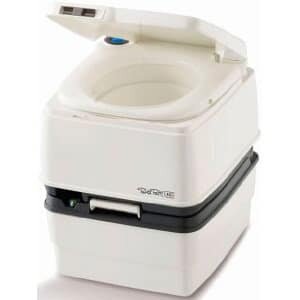
Sanitiser/Mould Rid, Hard Water - Laundry Liquid, Porta-Loo TreatmentCamping holidays offer unparalleled freedom and the chance to get off the beaten track. But what do you do when nature calls – and how do you make sure you’re not spoiling the environment in the process? Portable toilets are a good option for trips away but be sure to avoid porta-loo treatments containing toxic formaldehyde.

The bush toilet has thankfully gone out of vogue in the modern camping holiday.

For the sake of privacy, comfort and the environment, most caravan or motorhome owners take along a portable toilet when they stay outside of public effluent facilities. Modern boats, caravans and motorhomes have built-in porta loos, in which the waste tank can be accessed through a small door on the outside of the camper.

Even the humble tenting holiday has become a more stylish affair, often incorporating a porta loo, shower and even the odd kitchen sink!

Disposing of porta toilet waste without contaminating soil or waterways requires a little thought.

The first step is to choose a safe, biodegradable,environmental cleaning product for the toilet.

When it comes finding aneco-friendly liquid porta-loo treatment, avoid anything that contains formaldehyde. This chemical is toxic to humans, plants and animals but is commonly used in toilet chemicals to sterilise and break down the black water.

Toilet waste containing formaldehyde should not be dumped straight into the ground, in long-drop toilets or in public effluent systems in small towns as these systems can not sufficiently dilute the formaldehyde to safe levels. This also applies to authorised ‘dump points’ provided in some regional areas for toilet waste.

Take toilet waste with you when you leave a camping site, such as a national park or private property. Check with your camping guide or nearest council for an authorised ‘dumping point’. If you must dispose of toilet waste at a camp site, remember it must be buried at least 15cm below the ground and 100 metres from waterways, paths or camping sites.

Envirosafe Solutions is a leading Australian supplier of eco-friendly liquid products. Its Extreme Green Porta Loo Treatment is fully biodegradable and suitable for use in septic system, long-drop and portable toilets. This formaldehyde-free, environmental cleaning product helps eliminate odours, break down waste and is completely safe to use.

The perfect caravanning, motorhome or boating holiday is one that leaves the environment just as pristine as it was found–which includes using biodegradable, formaldehyde-free toilet chemicals and disposing of toilet waste in a responsible manner. For more information on sustainable eco-friendly liquid products contact Envirosafe Solutions on 1300 88 90 70 or email info@evss.com.au.

Sources:

http://www.caravanworld.com.au/discussion-forum/articleid/61434.aspx

http://www.lets-getaway.com/caravantoilet-portapotti.htm

http://www.lets-getaway.com/portable-toilets.htm

Tags: , , , , , , , , , , , , , , , , , , , , , , , , , , , , , , , , , , , ,

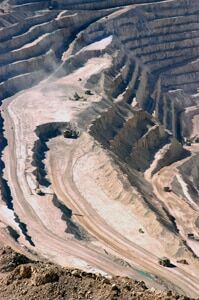
Australian scientist heads international mining research centre

Disinfectant, Rust Remover, Radiator CoolantImproving energy efficiency and scientific research in mining has been the impetus for a new project between Australia and Chile. A new research centre in Chile will help address common environmental and technological challenges. This latest example of mining innovation and teamwork is a step forward for the green revolution.

A leading Australian CSIRO scientist will head a new international mining and research processing centre to be based in Santiago, Chile.

Dr Neal Wai Poi has been appointed to lead the project, which was developed by the CSIRO in collaboration with the University of Chile and the Chile International Centre of Excellence in Mining and Mineral Processing.

He said he welcomed the opportunity to help tackle some of the common challenges faced by mining industries in Australia and Chile.

“Australia and Chile have many common current and future challenges that their mining industries need to address,” he said.

“These include processing lower-grade ores, improving water and energy efficiency in remote areas and deeper open-cut and underground operations.

“The Centre for Excellence will have extensive benefits for Australia, including creating new bilateral business opportunities for service companies, improving the efficiency and competitiveness of the industry and advancing scientific research.”

Leading the way

The Australian mining industry has been recognised as world leaders in new technologies and developing environmental standards. Recent innovations include:

  • Research showing mining waste can be used to filter water;
  • Reduced water and soil contamination through the use of eco-friendly industrial liquids;
  • Dust reduction (using wetting agents such as the Extreme Green Dust Suppressor/Soil Wetta);

In an address to the mining industry in June, Opposition leader Tony Abbott applauded its commitment to innovation.

“The Australian mining industry is a world leader at observing the best environmental standards, we are setting new standards in environmental care and concern and increasingly the mining industry is deeply respectful of indigenous culture,” he said.

Despite these commendations, the mining industry continues to come under scrutiny for environmental breaches and disasters.

The high-risk sector needs continued research and the foundation of a new international centre in Chile offers hope of better environmental and health outcomes.

Envirosafe Solutions has been proud to supply the mining industry with environmental cleaning product solutions. Its Extreme Green range includes eco-friendly industrial liquids designed specifically for remote mining sites. From everything from fuel treatments (Extreme Green Diesel Bug Killer) to dust suppressors and laundry powders, it has green alternatives to traditional harsh cleaners.

For more information on Envirosafe Solutions’ environmentally friendly liquids for the mining industry contact 1300 88 90 70 or email info@evss.com.au.

Sources:

http://www.csiro.au/news/CSIRO-leading-international-research-centre.html

Tags: , , , , , , , , , , , , , , , , , , , , , , , , , , , , , , , , ,

What is the Efficiency Standard Edition and the Equipment Energy Efficiency Program (E3)?

Glue Remover, Rust Converter, Dishwasher PowderToday Envirosafe Solutions, producers of eco friendly liquid products brings you news about the Efficiency Standard Edition and the Equipment Energy Efficiency Program– a quarterly publication that brings you up to date news on energy efficiency and the need for sourcing efficient whitegoods and electronic products.[1]

Appliances generate an enormous amount of greenhouses gases. This is now a proven fact. This actually means that all of us in the developed world contribute significantly to greenhouse gas issues and emissions and the way we live has a direct and dire affect on our planet and the future of the world.

A real and concerted approach to this fact – one that entails personal accountability and a willingness to change – is at the very heart of what is needed for ongoing change that can save the planet from dire environmental consequences.

The E3 Program

The E3 Program in Australia seeks to inform and implement requirements in relation to the MEPS or minimum energy efficiency requirements and mandatory energy rating labels that are now an inherent part of appliance purchase in Australia.

The program began in 1993 when it was realised that various activities in relation to power consumption by appliances needed a national and co-ordinated approach. Initially the program only referred to refrigerators and freezers which were viewed as the main offenders of CFC production.  Since then, the program has expanded its application to many appliances and has also been adopted by New Zealand as a meaningful strategy in the fight against greenhouse gas emissions.

The E3 now reports back to the Energy Efficiency Working Group and to the Ministerial Council on Energy. The basis for inclusion of new appliances depends on the community benefit that will arise if a particular appliance becomes part of the program.

Market intervention in the form of labelling

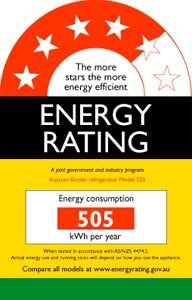
Most of you will be familiar with it. You walk into a major retail or appliance store and nearly every appliance is labelled in the corner with a large yellow star rated sticker that tells you how much energy the appliance uses. This system is actually viewed as “the world best regulatory target” and Australia needs to be extremely proud of this system.[2] It informs, educates and safeguards the environment against the possibility of excessive energy use when more energy efficient product alternatives may be available.

The Efficiency Standard Edition

This is a quarterly publication that offers you more detailed appliance information as it comes to light in the retail and government sectors. The kind of information outlined gives you a thorough insight into new products. For example, the last edition in 2010 took a comprehensive look at home entertainment systems which account for around 5% of household energy use in Australia.[3]

Envirosafe Solutions supports the government dissemination of information about energy use by appliances. Envirosafe Solutions also produces eco friendly liquid products for homes, business and industry. For more information phone (+61) 1300 88 90 70


[1] http://www.energyrating.gov.au/wp-content/uploads/Energy_Rating_Documents/Newsletters/General/efficiency-standard-summer2010.pdf

[2] http://energyrating.gov.au/

[3] http://www.energyrating.gov.au/wp-content/uploads/Energy_Rating_Documents/Newsletters/General/efficiency-standard-summer2010.pdf

Tags: , , , , , , , , , , , , , , , , , , , , , , , , , , , , , , , , , , , ,

Use Less

Rust Converter, Dishwasher Powder, DisinfectantWhether you’re a staunch believer in saving the planet or simply doing what you can to trim energy costs from your home or business, reducing the use of power in your home or business can help ease the strain on natural resources.

Lighting Decisions Can Save Money

For most people, simply getting rid of those old energy hogs known as incandescent lights, that burn through energy while providing little lighting in return, is the easiest way of reducing energy costs.

Switching to Compact Fluorescent Lights (CFLs) can reduce energy consumption and since they do not generate nearly as much heat as incandescent bulbs, you can save a little on cooling costs as well.

Another option for lighting is light emitting diode lights, similar to those red, blue, green or other colour indicator lights on most of your electronic devices. Only the ones used for home or office lighting emit white light and can be used in most light fixtures, as well as working well with dimmer switches.

Appliances Demand More Power

In areas where energy costs are higher more people are looking into ways to cut costs and are turning to energy-saving appliances. In most homes, the refrigerator is the most energy-hungry appliance but many people don’t consider buying a new one until their old stops working. They look at the cost of replacement and see only one number…the price, and ignore the long-range savings potential. Many of the new Energy Star appliances cut energy use by 20 to 40 percent and the savings on electricity alone can help pay for the new appliance.

The Energy Rating Website, set up by the Australian Government is a valuable resource when seeking out new energy efficient appliances.[1] The site states that “improving the energy efficiency of appliances and products in all sectors – residential, commercial and industrial) has significant and environmental benefits for Australia and New Zealand. Reducing greenhouse gas emissions and energy demand in both countries helps save consumers and business on running costs over the life of the products they choose.”[2]

The site also outlines relevant regulations, resources and has a comparison product guide that facilitates easier sourcing of efficient appliances for your needs.

Maintaining the Home’s Comfort Level

Heating and cooling is another area in the home that can cut deep into your energy budget.

Energy Star heating and cooling equipment can reduce energy use by 20 to 30 percent, making swapping out an older unit with a new one less expensive to operate while reducing the need for more energy production.

Newer geothermal heating systems can reduce energy consumption between 40 and 50 percent, depending on the home’s current energy source, and they are much more economical to maintain than traditional furnaces and air conditioners.

Learn about Reducing Energy Dependence

For too long people have simply used what they were used to using in terms of energy consumption. In order to understand how reducing energy demand can reduce not only your expenses but also the demand on world energy supplies, you activate change by educating yourself and your family about the real needs to conserve energy.

While a debate continues on the best methods of producing energy and why new modes of production are needed, you can determine which type of energy-saving efforts will save you money while helping to save the environment.

Envirosafe Solutions supports the need for equipment energy efficiency. Telephone (+61)1300 88 90 70 for more information on the Extreme Green range of liquid products that have the environment and sustainability at the heart of their approach.

Resources:

http://buildipedia.com/go-green/green-energy-technologies/going-green-energy-options
http://www.nationalgeographic.com/xpeditions/lessons/16/g912/energydebate.html


[1] http://www.energyrating.gov.au

[2] http://www.energyrating.gov.au

Tags: , , , , , , , , , , , , , , , , , , , , , , , , , , , , , , , , , , , ,

United States Military – Alternative Energy Options

Glass cleaner, Fuel Conditioner, Toilet Bowl CleanerA strange thing is happening in the Unites States.

The military, typically a fairly conservative body, is starting to question its energy usage and is taking a good, hard look at its energy consumptions and expenditures. It’s a brave and revolutionary move, and it has the capacity to influence other armed forces around the world who have traditionally viewed the Unites States as a leader within the western world.

Steps are now being taken to help governments contribute to energy conservation and support of the environment through green initiatives. Not all these plans are being pursued, nor are they all being openly welcomed. However, most agree steps are needed to wean the U.S military off an unlimited use of power that relies on fossil fuels and oil and coal fired electricity.

Finding Clean and Reliable Energy

Currently, the military is pushing for each branch of service to look into the type of alternative energy amenable to them. Alternatives that are being proposed for military use include:

  • Solar power
  • Wind power
  • Thermal energy
  • Biofuels
  • Synthetic fuels
  • Fuel cells

This push to investigate the potential to use alternative energy can be a boon for contractors and green industries supplying new technologies. In Cincinnati on August 11, the U.S Secretary of the Army, John McHugh, said that a new energy Initiatives Office Task Force could help the armed forced transition to sourcing 25% of their energy needs from renewable sources by 2025.

It is believed that such a move would in fact lead to greater armed forces resilience and strength, given the current instability around fossil fuel use and finite supply, and would also help them to streamline their practices in keeping with the new global outlook that incorporates green practices as a key feature. Every possibility is currently being explores and the hope is to transform energy usage so that it matches the global push towards sustainability and environmental accountability

The Army estimates it will need to invest as much as $7.1 billion during the next decade to meet its renewable energy objectives. The task force will work within the military to help advance large-scale renewable and alternative energy projects on Army installations.

Costs in the future

In 2010 the U.S. military estimated its renewable energy expenses would top $1.8 billion, growing to an estimated $26.8 billion by 2030. A large portion of that expense will be for mobile applications including power for land, sea and air vehicles and portable power for soldiers in the field. A U.S. Army spokesman said the Army looks to achieve a fourth of the branch’s energy from renewable sources by 2025. The Army alone expects to invest over $7 billion over the next 10 years to meet its renewable energy goals.

In Australia, Envirosafe Solutions currently supplies to branches of the Australian Armed Forces. The Extreme Green range is an example of eco friendly liquid products that are effective, affordable and suitable for home, business, industry and families.  For more information telephone (+61) 1300 88 90 70

Resources:

http://www.upi.com/Business_News/Energy-Resources/2011/08/11/US-Army-explores-green-energy-options/UPI-61141313065159/
http://www.upi.com/Business_News/Security-Industry/2011/06/13/Renewable-energy-sources-a-priority-for-military-says-report/UPI-26321307993644/?rel=61141313065159

Tags: , , , , , , , , , , , , , , , , , , , , , , , , , , , , , , , , , , , ,

The Rise in Anti Consumerism

Eco Friendly, Environmental Cleaning Products, Dishwashing LiquidOver the past few years since the Global Financial Crisis there has been a distinct shift towards a conservatism around spending and also a more clear cut anti-consumerism movement.

This movement goes hand in hand with the environmental and green movements. An example of this can be seen in the “OCCUPY WALL ST” protesters and movement.[1]

The movement is a leaderless resistance movement uniting American individuals from all political persuasions, gender and colour. The unifying ethic and common view is “We are the 99% that will no longer tolerate greed and corruption of the 1%.”[2]

The movement also uses nonviolence to maximise safety of participants. At the heart of this movement is the distinct belief that greed, over consumption and an attitude of lack of care leads to distinct irregularities in the lifestyles of equal human beings.

Consumerism and waste

In October 2011 The ABC North Queensland division ran an article asking “Could you go cold turkey on consumption?”[3] October in Australia is now the Buy Nothing New Month.  This is a new nationwide campaign aimed and encouraging Australians to consider their consumer patterns and habits and to maybe hold off from purchases or the habituated tendency to simply buy for the sake of a feel good.[4]

The reasoning behind the site is that Australians need to “reassess what they really need and think about where the stuff they buy comes from (finite resources,) where it goes (landfill) and what their actual alternatives are.”[5]

It is not about a permanent cessation of consumption. Rather it is focuses on conscientious consumption or the idea that we can consume, but consume in a way that is more considered, more environmentally sound and more environmentally conscientious and considerate.

What You Purchase

So what do you actually purchase?  When you go to the supermarket what are the items you buy? Do you buy products with an enormous amount of packaging or do you buy products that are not wrapped up in excessive plastics and papers and cardboards?

Think about the kind of cleaning products and fluids you buy. Are they considerate of the environment and do they have a safety rating? Are they filled with nasties or are they green and organic alternatives that are less damaging to the precious earth, to your family and home and to Australia and its flora and fauna.

Envirosafe Solutions has been pushing this view for several years now, in the hope that Australians will think about the products they purchase and actually choose alternatives that are more conscientious and considerate. Their Extreme Green range is developed with this in mind and comes with a comprehensive safety rating that assures you of a realistic appraisal of the eco friendly product you are purchasing.

For a complete rundown on the Envirosafe Solutions Extreme Green Range download the Extreme Green 2012 pdf  brochure from the website or telephone 1300 889070 for more information.


[1] http://occupywallst.org/

[2] http://wearethe99percent.tumblr.com/

[3] http://www.abc.net.au/local/stories/2011/10/03/3331147.htm

[4] http://www.bynothingnew.com.au/

[5] ibid

Tags: , , , , , , , , , , , , , , , , , , , , , , , , , , , , , , , , , , , ,

The Development of Green Energy in Australia

Fabric Conditioner, Laundry Powder, Dust SuppressorTraditional energy sources at the verge of extinction

It is no secret that the traditional energy resources, such as coal, oil or gas, are becoming more and more scarce.  This energy is not renewable, and the constant exploitation has led to the exhaustion of the sources.

In addition, fossil fuels are more polluting than alternative energy resources.  It is a well-known fact that pollution is one of the most pressing issues our planet is confronted with nowadays.  Some scientists in the US even blame the use of fossil fuels for global warming. This theory is supported by scientific discoveries regarding the effect of carbon dioxide into the atmosphere. Carbon dioxide results from the burning of fossil fuels. This gas is responsible for the climatic changes that resulted in higher temperatures and heat waves, but also for long droughts, coastal floods and wildfires. According to scientists, even if burning fossil fuels would be immediately terminated, the effects will still last for another century, resulting into further degradation of earth’s atmosphere.

The Australian people spend a great amount of money on energy each year.  According to a study published on EnergyMatters.com, Australians spend around 50 billion dollars on energy only.

These costs include fossil fuels, such as:

  • Coal
  • Oil
  • Gas

In order to cut the costs, but also to provide a solution that is environmentally friendly, Australia is slowly trying to switch to green energies.

Green options for energy resources

Luckily, several environmentally friendly energy resources have been developed over the years. Out of these, the most important ones are:

  • Aeolian energy – wind energy
  • Solar energy
  • Bio energy
  • Hydro energy

Other energy resources include wave, tidal, thermal and geothermal sources.

Aeolian energy is produced by wind generators. This is especially suitable for windy areas, such as South Australia, where several wind farms have already been built.

Solar energy is derived from solar panels that get charged with photovoltaic energy produced by the sun.

Bio energy uses biomass and liquid fuels in order to provide power. Biomass refers to organic matter derived from plants because of photosynthesis. It includes forestry and agricultural residues, and various forms of organic waste.

Power stations that use water to provide energy have already been built in the Snowy Mountains, in Australia, providing almost 15% of all renewable energy used throughout the country.

Renewable energy sources will replace fossil fuels in the future

There is no doubt that renewable energy sources are to replace fossil fuels in the future. Partly because fossil fuels have become extremely scarce throughout the world, and partly because of the harmful effects burning coal, oil and natural gas has on the surrounding environment.

Many environmental NGOs fight for the utilization of renewable energy as a replacement for the traditional power sources. Their arguments are, aside from the harmful effects of fossil fuels upon the environment, the fact that green energies are inexhaustible, as compared to fossil fuels, and that the use of renewable energies is more cost effective.

Envirosafe Solutions supports the shift to new forms of energy.  Speak to Envirosafe Solutions about their Extreme Green Range of eco-friendly products. 1300889070

Sources:

http://www.usatoday.com/tech/science/2007-01-30-ipcc-report_x.htm

http://www.cleanenergyfuture.gov.au/clean-energy-future/our-plan/clean-energy-australia/

http://www.energymatters.com.au/faqs/renewable-energy-faq.php

Tags: , , , , , , , , , , , , , , , , , , , , , , , , , , , , , , , , , , , ,

Water, Water…

Glass cleaner, Fuel Conditioner, Toilet Bowl CleanerReducing your use of water and also conserving the available supply is at the heart of Australia’s sensibility in 2011. We are a coastal land and we need to understand that water is one of our most precious commodities and the regularity and normalcy of its supply is being tested and undermined by irrigation, man-made interventions and by dramatic shifts in climatic conditions which are resulting in a pattern of extreme weather conditions.

Education of the youth

One of the most effective ways to address the issue of water is to activate and generate education programmes that target the every young. Currently, conservation and green issues are being introduced into mainstream education systems across Australia – a situation that would actually have been unheard of twenty years ago.

There is a general shift and understanding that talk of water conservation and the need to understand the appropriate management of this resource is a must if Australia is to cope with the shifting global conditions that are currently underway.

The Water: Learn it for Life Programme[1]

This programme operates out of Queensland and is simply one of many examples of water wise programmes currently underway in Australia. This programme has been developed by the Queensland state Government and operates as a complete and comprehensive curriculum resource for primary aged students.

Some of the units of the programme include

  • The basics of the water cycle
  • How to conserve water
  • How to store and source water appropriately
  • How to use water efficiently
  • How to recycle
  • Alternative sources for water

This kind of programme that is developed at state government level and disseminated through to the education system symbolises a vital link between inter-governmental departments. This allows a flow of accurate and current information from specialised government agencies through to the youth of the state of Queensland.

The Role of Teachers

The role of teachers is vital in this education. While the information is available, it is up to the current crop of teachers and educators in Australia to source the kind of information that offers children a new understanding of water conservation issues. IT is also up to teachers to present the information in a light and manner that is engaging, hands on and practical.

The issue of water actually affect children locally, regionally and nationally as well as globally.  If children are presented with active and engaging modes of education on the subject, they are then able to develop and examine their own relationship with water and water conservation and even operated as harbingers of change within their own family system.

Envirosafe Solutions understands the value of water as a precious commodity. The Extreme Green range of eco friendly liquid products and industrial liquids, as well as the specific nature of items such as Hard Water laundry liquid work to minimise impact on this commodity, which is so precious to the Australian way of life. Telephone  1300 889070 for more information on the full range.

References:

http://en.wikipedia.org/wiki/Water_conservation


[1] http://www.derm.qld.gov.au/waterwise/education/education/index.html

Tags: , , , , , , , , , , , , , , , , , , , , , , , , , , , , , , , , , , , ,

The Need for Smart Electrical Power Grids

Radiator Coolant, Dishwasher Rinse Aid, Fabric ConditionerToday, Envirosafe Solutions, quality eco friendly liquid suppliers, bring you eco friendly information on smart power grids. Is this the way of the future for Australians?

Waste

Being environmentally friendly is not just about adopting ‘green’ technologies, it also means cutting down on waste. It means a more intelligent use of our resources.

One area that seems to have escaped attention is the national power grid. Yes, much has been written and said about generating electrical power in an environmentally friendly and so on but very little has been said about transmitting this power efficiently in an environmentally friendly manner.1

Ever since governments and business establishments began to generate and supply electrical power on a commercial basis, we have been creating power grids to carry and distribute the power. However, these power grids have always been setup on an ‘as and when required’ basis.

Hardly any planning went into setting up a power grid. As new townships came into being, they simply tapped into the nearest existing electrical power grids and that was that. Scant attention was paid to the efficiency aspects of such a haphazard system much less its overall environmental impact. 2

Because of the haphazard nature of its development, existing power grids were enormously inefficient and dysfunctional. If a certain region had excess electrical power and another had a shortage, more often than not, there was no way to connect the two so that excess power could be transferred to regions with power deficit. 3

Rather than look like a modern day circuit board, the power grids of today resemble the circuit board of a radio of the early 1900’s with their large transistors and electrical wires connecting various components. These were typically non-intelligent circuits. Today even the humble cell phone has enough digital intelligence to make the computer desktop of the early 2000’s look obsolete.

What this means is that we have the technology to replace existing electrical power grids with intelligent power grids that are capable of sensing power requirement and diverting electrical power from an area that has it in excess to an area that is facing a deficit. The technology exists to accept power from a variety of sources and automatically calculate and recalibrate the entire power scenario without the need for human intervention. It does not take a degree in rocket science to realise that when national resources are used inefficiently, the impact on the environment is enormous. 4

As matters stand today, if a certain region produces (say) cheap geothermal power, that electrical power is often fed into a separate stand-alone circuit and only a few households fortunate enough to be in the vicinity of the geothermal power plant, benefit from cheaper tariff. There is no way that geothermal power generated in (say) Perth can be shared by residents in (say) Sydney using the national grid.

In fact, something that would appear logical to most humans is apparently quite illogical to the electrical engineers who design, build and maintain Australia’s electrical power grids.

Building environmentally friendly power stations is therefore only 50% efficient. For it to be 100% efficient, it needs to be balanced by an intelligent state-of-the-art environmentally friendly power distribution network. 5

We would have expected that the national power grid to accept electrical power from various sources and the electrical tariff be computed as an average. Why should one region pay an exorbitant tariff because electrical power in that region is generated using expensive coal while another region enjoys cheap tariffs because power in that region is generated by using geothermal heat? The unfairness of the electrical tariff seems to be lost on the government and the businesses that run these power plants.

Envirosafe Solutions produces environmentally friendly liquids and environmental cleaning products. Telephone 1300 889070 for more information.

Footnotes and references:

1. Avoiding waste: http://www.supergreenme.com/go-green-environment-eco:Save-Electricity-by-Using-Alternative–Environmentally-Friendly-Energy-Sources

2. National power grid of Australia:  http://www.geni.org/globalenergy/library/national_energy_grid/australia/index.shtml

3. Inefficiency in modern day power grids:  http://www.earth-policy.org/books/pb4/PB4ch4_ss7

4. Sustainable use of national resources: http://www.csiro.au/science/Sustainable-Resource-Use.html

5. Energy efficiency in the power grid: http://www04.abb.com/global/seitp/seitp202.nsf/c71c66c1f02e6575c125711f004660e6/64cee3203250d1b7c12572c8003b2b48/$FILE/Energy+efficiency+in+the+power+grid.pdf

Tags: , , , , , , , , , , , , , , , , , , , , , , , , , , , , , , , , , , , ,

The Geothermal Hotspot

Rust Converter, Dishwasher Powder, DisinfectantToday Envirosafe Solutions, suppliers of environmentally friendly liquids, takes a look at geothermal hotspots

There was a time when a hotspot was not an internet Wi-Fi access point. A hotspot occurred when a lava vein got close to the surface of the earth and met an underground river. The water would boil and the pressure would create vents that reached the surface.

Steam would be vented through these natural release valves and you would have a geyser. At other times, you would have a pond, a small lake full of hot water or just a hot moist mud pond. How the heat surfaces is not relevant, what is relevant is presence of a constant source of heat and heat as we know, is energy that can be harnessed for a variety of purposes. The most common use of these natural heat vents is to generate environmentally friendly, electrical energy at a very cheap cost.1

To generate environmentally friendly electrical energy from a hotspot area, a pipe is inserted into the hotspot or geothermal area and water circulated through the pipe. Both ends of the pipe led to an electrical power plant. Water was fed through one end of the pipe and as it passed through the hotspot, it would get superheated and turn into steam. Pressurised steam would exit from the other end of the pipe. Pressurised steam would then rotate a turbine that generated electrical energy. The entire process of generating electrical energy from natural heat of the Earth was very environmentally friendly. 2

The US and Geothermal Vents

The United States alone has enough geothermal vents to produce 2000 times more electrical power then they need and that too, in a totally non-polluting environmentally friendly way. Unfortunately, geothermal vents are not evenly distributed all over the world. United States and Iceland are two regions that are blessed with the maximum number of geothermal vents. In most other places in the world, you would have to travel several kilometres vertically below the Earth’s surface before coming into contact with temperatures high enough to turn water into steam.

EGS – Enhanced Geothermal Systems

Fortunately, new technology aptly called “enhanced geothermal systems” or EGS has emerged that makes reaching these deep-Earth geothermal heats more cost-effective.

What scientists have done is to locate nearest source of underground heat and then pump water down. When water meets heat, it turns into steam and the steam makes its way back to the surface where it is harnessed via heat exchangers. The heat exchangers have a pipe that circulates water.

The heat exchanger transfers the captured heat to the pipe and in turn, the water in the pipe turns into steam that drives an electrical turbine and you will have generated electrical energy in an environmentally friendly way. 3

Generating electrical energy via the enhanced geothermal system method is not as efficient as being able to insert a pipe directly into a geothermal hotspot and generating environmentally friendly electrical energy. This is because a lot of water is needed. The water has not only to reach the place where the heat is, once it turns into steam, the heat has to rise up to the surface of the earth.

Along the route, it will lose some of the heat thereby reducing the efficiency of the system. In addition, the water that is pumped down into the Earth is not recoverable or reusable. This means that you need a continuous source of fresh water.

However, if there is a large source of fresh water nearby, this method of generating environmentally friendly electrical current has tremendous potential. 4

Envirosafe Solutions delivers quality eco friendly products to the Australian market. Eco friendly industrial liquids and environmental cleaning products can be green and also work as effectively as their less environmentally sound counterparts.

Speak with an Envirosafe Solutions assistant about the Extreme Green range.  1300 889070

Footnotes and references:

1. Finding a geothermal hotspot: http://www.treehugger.com/files/2007/12/easy_geothermal.php

2. Geothermal electrical energy: http://en.wikipedia.org/wiki/Geothermal_electricity

3. Enhanced geothermal systems: http://en.wikipedia.org/wiki/Enhanced_geothermal_system

4. Evaluation of EGS: http://www1.eere.energy.gov/geothermal/pdfs/evaluation_egs_tech_2008.pdf

Tags: , , , , , , , , , , , , , , , , , , , , , , , , , , , , , , , , , , , ,

The Food Chain of Supply

Glue Remover, Industrial Hand Cleaner, Mineral Deposit RemoverIn the new era of green issues, how can we secure our future in relation to foodstuffs? How can we ensure supply and meet the needs of a growing population on the planet? Today, Envirosafe Solutions considers the issue of food production in the new age of extreme weather and global warming. What are the factors currently threatening Australian and worldwide food production. How do we manage them effectively?

At present, the world is witnessing a horrific even play out in the region of Somalia in Africa. Some are describing it as one of the world’s worst ever famines and hundreds of thousands of children, men and women are currently facing starvation. In May it was reported more than 29,000 children under five years of age had died and since then, the situation has worsened day by day.[1]

The problem is the area is absolutely ravaged by drought. 1.85 million people are now affected In Somalia, and it is likely as global warming increases, extreme weather conditions such will impact food production and food sources for many areas of the globe.

The Australian CSIRO has outlined a number of factors that may threaten food supply in Australia and the world in the coming years and decades. These include:

  • “Increases in world population
  • Fighting over resources (such as arable areas and H20.)
  • Available cropping areas being used for biofuel
  • Global warming
  • Shifts in economic development which may alter food consumption patterns over time.”

We are incredibly lucky in Australia because we are able to supply our own food needs. In addition we also export 3% of the world’s total food that is transacted and traded annually.

However, the issues highlighted by the CSIRO mean that the global stage is changing.

Asia-Pacific Research

Australian scientists are currently involved in a number of food research projects in the Asia-Pacific region. According to the Australian Centre for International Agricultural research which is based all around the Asia Pacific region, Australian scientists are well positioned to “use their skills for the benefit of developing countries and Australia.”[2]

As the global situation plays out and as new green technologies and approaches to food sourcing are required, Australia will be there to meet this particular challenge.

At present ACIAR works in a number of countries and continents; in areas such as Eastern and Northern Africa, The Asia Pacific rim, as well as China and also areas of The Middle East. Programs are designed to lead to more developed and more fruitful and sustainable agricultural practices using collaboration between Australia and many paired partnering countries. The aim is to foster self-sufficiency and self- support and economic independence in areas where this has not been possible agriculturally, or where this has been compromised or may be compromised in the future.

Envirosafe Solutions is a strong supporter of sustainable environmental and agricultural practices, which is why it has formulated a range of Extreme Green products specially suited to remote and agricultural industries. Never before has it been so important to utilise products that do minimal damage to the environment, to the land and to our water supplies.  For more information call Envirosafe Solutions on 1300 889070.


[1] http://www.msnbc.msn.com/id/44021514/ns/world_news-africa/t/us-somali-shildren-under-dead-famine/#.Tk21mmHaArI

[2] http://aciar.gov.au/aboutus

Tags: , , , , , , , , , , , , , , , , , , , , , , , , , , , , , , , , , , , ,

The causes of extinction of native fauna in Australia

Glass cleaner, Fuel Conditioner, Toilet Bowl CleanerThe past few decades has seen a gradual decrease in the number and variety of animals found in Australia. This is mainly due to the changes in the climatic conditions and destruction of flora and the natural habitats where these species live. Sadly, many native species are facing extinction due to various human activities that destroy the lifestyle of these animals.

Some of the major activities include:

  • Deforestation
  • Over grazing and agriculture
  • Pollution
  • Urbanization  and
  • Exotic species

Deforestation

The destruction of the forest due to various human activities and bushfires will reduce the natural habitat of the animals and destroy the breeding areas. Deforestation will also affect the quality of the water draining from the bushland areas, and as the earth heats, the already precious water commodity may become even scarcer.

Overgrazing and agriculture

The bio–diversity of Australia is also threatened by overgrazing and clearing of vegetation for agricultural purposes. The grass and bushlands of Australia have already been significantly reduced since European settlement. These areas used to provide the natural habitat for many native animals. The clearing of these woodlands has caused desertification and significant increase in topsoil runoff and also erosion. In some areas, cattle rearing has caused over grazing of the grasslands, which has resulted in the scarcity of food for the native animals.

Pollution

In Australia and also worldwide, the land, water and air are being polluted by various human activities. Pollution caused by the various factories and their pollutants are affecting local fauna, decimating their resistance to various diseases and resulting in other significant ailments that can affect the lifecycle and the normal development of species.

The eco-system suffers as a result, since pollution continues to alter the local landscape, affecting everything from flora, fauna to foods processed locally. Food items sourced locally tend to carry pesticides [used by farmers], making these somewhat unsafe to consume.

Even flowers and seeds, tend to carry pesticides in one form or the other. In addition, the pesticides used in these agricultural lands often end up in rivers through run-off and these accumulated pesticides will cause biological magnification, resulting in the death of the animals and others.

Urbanisation

The increase in human population causes need for more land space for construction of buildings. The coastal areas of Australia that are rich in bio- diversity are giving way for massive constructions. The agricultural lands are also converted to residential areas for the want of space. All these activities cause a reduction in the fauna of the area.

Exotic species

The introduction of exotic species is another major cause of concern for the extinction of native species. If the introduced species is a predator of the native species, it will cause the survival of the native species difficult. Sometimes, the native species will have to compete with the exotic species for food, shelter and mate and only the fittest one will survive. The feral cats, cane toads, rabbits, black striped mussels are examples of exotic species introduced to Australia that are wreaking havoc on our natural wildlife. In order to protect the native animals from extinction, controlling these factors is necessary.

Envirosafe Solutions produces Extreme Green eco-friendly liquid products that are less harmful to the environment.

Telephone 1300 889070

References:

http://www.climatechange.gov.au/government/reduce.aspx.

http://www.bom.gov.au/climate/change/

Tags: , , , , , , , , , , , , , , , , , , , , , , , , , , , , , , , , , , , ,

Solar Energy Leading the Way

Environmental Cleaning Products, Dishwashing Liquid, Glass cleanerIt’s no secret that the sun provides the energy that drives the earth and for many years the use of solar energy to produce electricity has been touted as a viable alternative. The true shift however has come only in the last 10 years with solar energy becoming finally more accepted and more widely used by mainstream Australia. It is seen as an alternative that can help our nation reduce its marked dependence on fossil fuels.

One of the obstacles to mainstream embrace of solar has been a lack of understanding about how solar actually works. Individuals have had a notion of solar that is lodged in the solar hot water roof panels of the 1960’s an d 1970’s which were considered aesthetically unappealing and intrusive in terms of home design and the house-proud sensibilities of middle Australia. Many also viewed the panels as expensive with returns not worth the initial capital outlay expenditure.

Matured Technology

Over the past decade however the technology has matured and the price of solar equipment has fallen markedly while the cost of electricity has actually risen more than in a century. Even in Australia, where competition and deregulation had led to more choice in terms of electricity suppliers, the cost remains markedly higher than twenty years ago. More powerful batteries have also been developed and there is groundbreaking research into new battery storage technology at the University of New South Wales in Kensington, Sydney.

How Solar Power Works

In order to take advantage of the power generated by the sun, solar cells, or photovoltaic cells, are struck by the sun’s rays and turn that sun power into electricity. Since one cell doesn’t produce a whole lot of electricity, several cells are joined together in what is called an array. These are connected to a regulator, much like the one used in your car’s battery charging system, to prevent the battery from becoming overcharged.

The power generated by the solar cells is transferred to a battery where it is stored for the time when the sun is not shining.

Power is used throughout the charging period as well and when the stored power in the battery dips below a reset level, more power is sent to the battery for recharging, by the use of the regulator. If no power is used during the sunlight hours, nothing is sent to the battery once it is fully charged, but at night when there is no sun, any power used comes directly from the battery.

Solar Energy Brings Power to the People

Solar energy has become increasingly popular for those wanting to save money as well as those in areas where the power grid may not be accessible, such as in remote areas of Australia. There are numerous designs that most people can install on their own to take advantage of this renewable energy source and not be dependent on the power company to provide their electricity.

Envirosafe Solutions understands the Australian conditions and the need for alternative energy sources and systems. These modes actually complement the philosophy of Envirosafe Solutions and its Extreme Green range of eco friendly liquid products. These are fully outlined in the new 2012 Extreme Green PDF brochure that can be found on the Envirosafe Solutions website. For more information about a range of products including environmental cleaning products and environmentally friendly industrial liquids telephone  1300 889070

References:

http://en.wikipedia.org/wiki/Solar_energy

http://www.wholesalesolar.com/StartHere/StartHere.html

Tags: , , , , , , , , , , , , , , , , , , , , , , , , , , , , , , , , , , , ,

New Research into Ammonia as a Green Fuel

Eco Friendly, Environmental Cleaning Products, Dishwashing LiquidAmmonia can clean your tiles, windowpanes and now, can power up your vehicle or motor as well. When Ammonia burns, it produces Nitrogen and water vapour. Nitrogen and vapour are both environmentally friendly because both can be used by plants. Using Ammonia to power up your vehicle or motor can therefore be a win-win situation for the vehicle and the environment.1

Research at Texas Tech University

Another advantage of Ammonia is that it can be easily stored in liquid form and does not require expensive infrastructure for transportation. Professors and students at the Texas Tech University are developing a stand-alone prototype ammonia-generating machine using the Haber-Bosch process that can be easily installed at gas stations. Powered by electrical current, the ammonia-generating machine will first break water molecules into hydrogen and oxygen.

Hydrogen is then converted into Ammonia by combining it with nitrogen from the air. When ignited, the hydrogen molecule is burnt in the ignition chamber of your vehicle or motor and nitrogen along with water vapour is released back into the atmosphere. Since nitrogen was already in the air, the only thing that ammonia adds to the atmosphere is water vapour, which is 100% environmentally friendly. 2

Once water is broken down into hydrogen and oxygen through the process of electrolysis, nitrogen is added and a standard gas compressor is used to compress hydrogen and nitrogen. Simultaneously, an iron oxide catalyst is used to heat the gas and generate Ammonia. Ammonia is then cooled down to about 75 °C below zero. At this temperature, ammonia turns into a liquid and can be stored or transported anywhere using standard pressurized tanks. The entire process of making ammonia is further rendered environmentally friendly because during the cooling process, mechanical energy is recovered and ploughed back into the system to help significantly reduce energy consumption. 3

Cheaper Alternative

The prototype ammonia-generating machine could easily generate between 4 and 40 Kilolitres of ammonia. The ammonia is generated at the gas station itself, in a very self-contained unit. You could therefore have an ammonia fuel pump next to an oasis in the middle of the desert powered by sunlight. The cost of producing ammonia using electrical power from the grid is currently around $0.20 per litre. If solar or geothermal power is used the cost could reduce to $0.10 or less per litre. Cheap fuel for your car that is produced in an environmentally friendly way and one that does not pollute when burnt – what could be better?

The armed forces are already keenly awaiting the technology because it would mean they could setup a fuel station in any part of the world without having to first transport any fuel. Since the vehicle will not be producing any fumes or smoke, the soldiers will not suffer from breathing problems associated with working around a large number of fuel guzzling vehicles. 4

Research has also begun into ways and means of generating hydrogen in a cheap and environmentally friendly manner. If hydrogen can be generated without the use of water or electrical power, then the cost of making ammonia could come down to $0.05 or less per litre. The day is not far when instead of viewing ammonia as “a stinky chemical”, people would view it as an environmentally friendly wonder fuel.

Envirosafe Solutions supports the future use of ammonia as an environmentally friendly liquid.

You can speak with an Envirosafe Solutions assistant about the full range of eco friendly industrial liquids and environmental cleaning products. 1300 889070

Footnotes and references:

1. Ammonia:  http://en.wikipedia.org/wiki/Ammonia

2. Haber-Bosch process: http://en.wikipedia.org/wiki/Haber_process

3. Making Ammonia:  http://www.creative-chemistry.org.uk/gcse/documents/Module7/N-m07-03.pdf

4. Ammonia as a clean environmentally friendly fuel: http://www.hydroworld.com/index/display/article-display/0927773395/articles/hydro-review/volume-28/issue-7/articles/renewable-fuels__manufacturing.html

Tags: , , , , , , , , , , , , , , , , , , , , , , , , , , , , , , , , , , , ,

Green Job Growth Opens Doors to Employment

Environmental Cleaning Products, Disinfectant,Rust Remover, Radiator CoolantNew industries always seem to provide employment opportunities for those with the willingness to learn new technologies or new trades. While the basic renewable energy sources have been around for many years now, resources such as solar, wind, and water power have been slow to develop because of a reluctance to shift away from traditional energy sources. However, with a global push to reduce the use of fossil fuels and the dependence on oil, these industries are finally seeing a surge in growth resulting in a growth in jobs in the green industry.

Even as the nation suffers high unemployment, industries associated with alternative energy are looking for those that understand the ethical basis and technological advancements that are now driving the push towards alternative energy modes. Because this sector is relatively new and still very much evolving, a groundswell of experience and an historical blueprint for various methodologies is not actually available. Certainly tertiary institutions have begun to embrace new areas such as Environmental Science or Green Accounting, for example. Other faculties such as architecture, engineering and science are also developing new courses that herald a new era of employment and work.

Solar Energy Installation Issue

One of the biggest opportunities in the green job industry in 2009-2010 in Australia was for installers for solar energy in residential and commercial applications. In Australia this scheme took hold with incredible gusto and was supported wholeheartedly by the Federal Government under Prime Minister Kevin Rudd. The solar energy industry boomed, with various rebates and discounts available to Australian business and families ready to move with the new scheme. The industry boomed and became an incredible growth area, but in 2011, the Gillard government put an end to the Solar Credit Scheme and the industry virtually stopped overnight. One solar installer, Ged McCarthy, who is also chair of the Solar Energy Industries Association said the government support and then withdrawal of credits and rebates highlights just what can be done for green employment and what can be undone for green employment and industry when a government offers and then retreats from committed support.[1]

Wind Farms Offer Work

Another form of alternative energy generation is wind energy and the construction of the new Wind Farms  has developed into a new green employment area. According to a recent paper delivered by The Australia Institute, Wind Farms, The Facts and the Fallacies, wind farms and wind energy “ is competitive with all other sources of renewable energy. The evidence indicates that if electricity generators were required to internalise the cost of pollution, it would also be competitive with coal and gas fired power stations, particularly by 2020.”[2] As the sector grows, so shall the opportunity for employment and training.

In 2009, Fast Company stated that the job market would reach a point of extreme contrasts. Some jobs would be eviscerated while others face worker shortages, and yet despite the global financial crisis, there would still many green jobs on the horizon. According to Alison Doyle, “green jobs are arriving in two breeds; some will be at specialized firms that reduce human environmental impact, like environmental consultancies, while others will simply be jobs at environmentally friendly companies.”[3]

Envirosafe Solutions is an environmentally friendly company supplying eco friendly liquid products to Australian families, businesses and organisations. We support green employment and the need for constructive change to industry, business and the Australian community with regards to green issues. For more information about the Extreme Green range of liquid products  1300 889070.

References:

http://www.renewableenergyworld.com/rea/home

http://www.timesbulletin.com/main.asp?SectionID=2&SubSectionID=4&ArticleID=169016


[1] http://www.abc.net.au/local.stories/2011/08/23/329824.htm

[2] http://www.tai.org.au/documents/downloads/DP91.pdf

[3] http://www.fastcompany.com/articles/2009/01/top-jobs-2009.html

Tags: , , , , , , , , , , , , , , , , , , , , , , , , , , , , , , , , , , , ,

<