


1300 88 90 70
  • EXTREME GREEN - JOIN THE REVOLUTION!
Blog Categories

Airports and Airlines

Aviation Applications: Meeting Industry Standards with Sustainable Industrial Liquids

Aviation industrial liquids must meet strict standards for every maintenance operation. Aviation maintenance demands precision. The wrong product corrodes components, voids warranties, or fails regulatory audits. The right product cleans effectively while protecting airframes, engines, and sensitive avionics.

At Envirosafe Solutions, we supply these products designed for hangars, line maintenance, and overhaul facilities. Here’s what operations need to know.

Aviation Industrial Liquids and Industry Standards

Aviation industrial liquids must meet strict standards. Regulators — CASA in Australia, FAA in the United States, EASA in Europe — set requirements for chemicals used near aircraft. These standards cover:

  • Material compatibility (aluminium, titanium, composites)
  • Residue profiles (no film left that attracts debris)
  • Flash points and fire safety
  • Environmental discharge limits

Using non-compliant products risks regulatory action, insurance voidance, and airworthiness certificates. Therefore, choosing rated aviation industrial liquids is not optional — it is mandatory.

Why Specialised Formulations Matter

A degreaser that works on a mining truck may attack aluminium airframe alloys. Similarly, a general-purpose cleaner can leave conductive residue on avionics. Because of this, aviation industrial liquids require specialised chemistry for each application.

Furthermore, these products must balance effectiveness with safety. For instance, aggressive solvents might clean well but damage composite materials or harm technician health. Consequently, matching the product to the specific task is critical for both performance and compliance.

Common Applications for Aviation Maintenance Fluids

Our aviation industrial liquids serve multiple maintenance functions:

  • Degreasing: Engine components, landing gear, hydraulic systems
  • Surface cleaning: Fuselage prep before inspection or repainting
  • Avionics cleaning: Sensitive electronic components without residue
  • Cabin and interior treatment: Cleaning and deodorising passenger and crew areas

Each application demands different chemistry. However, all must meet the same strict standards for aircraft safety.

Container Sizes for Maintenance Operations

Aviation maintenance facilities range from small regional operators to major overhaul bases. Therefore, we supply these products in multiple volumes:

  • 20-litre drums for small maintenance shops
  • 205-litre drums for line maintenance stations
  • 1000-litre IBCs for major overhaul facilities

Start with a 20-litre trial to verify compatibility with your specific aircraft types and processes. Additionally, scale up once confirmed.

How to Order

Browse our product range to see aviation industrial liquids available for your operation. Request a quote and we’ll confirm pricing, container size, and delivery schedule. Every order is reviewed to ensure you get the right product for your application.

Alternatively, read our article on how to choose sustainable industrial liquids for guidance on selecting the right product for your industry.

About Envirosafe Solutions

Perth-based, Australian-owned. We supply sustainable industrial liquids including aviation industrial liquids, degreasers, dust suppressants, and specialised cleaning solutions. All products carry independent safety ratings for health, environment, and transport.

Learn more about CASA requirements for aircraft washing and approved cleaning products.


Understanding Safety Ratings for Sustainable Industrial Liquids

When you buy sustainable industrial liquids, the label tells you what the product does. But the safety ratings tell you how it affects your people, your site, and your compliance position.

At Envirosafe Solutions, every product carries independent ratings. Here’s what they mean and why they matter.


What the Safety Ratings Measure

Our products are rated across three categories:

  • Health: How safe is the product for workers handling it daily?
  • Environment: What happens if it enters soil, water, or air?
  • Transport/Storage: How hazardous is the product to ship and store?

These ratings are independent assessments, not marketing claims. They give you objective data for your OH&S records and environmental reporting.

Health Ratings Explained

Health ratings reflect direct exposure risk:

  • Skin contact
  • Inhalation
  • Eye contact
  • Ingestion

A higher health rating means lower risk. Our sustainable industrial liquids are formulated to minimise worker exposure without compromising performance. This reduces PPE requirements, training burden, and incident risk.

Environment Ratings Explained

Environmental ratings measure:

  • Biodegradability
  • Aquatic toxicity
  • Soil impact
  • Air quality effects

If your operation discharges to septic systems, waterways, or sensitive environments, this rating determines your compliance exposure. Many of our products carry septic safe ratings specifically for this reason.

Transport and Storage Ratings

These ratings affect:

  • Shipping costs (hazardous goods surcharges)
  • Storage requirements (segregation, ventilation, bunding)
  • Insurance premiums
  • Emergency response planning

Lower transport/storage safety ratings mean simpler logistics and lower overhead.

How to Use Safety Ratings

When comparing sustainable industrial liquids, don’t just look at price. Check the ratings:

  • A cheaper product with poor health ratings costs more in PPE and training
  • A product with high environmental ratings may reduce your compliance burden
  • Transport ratings directly affect your freight costs

Request the Safety Data Sheet (SDS) for any product you’re considering. Review it with your OH&S officer before ordering. Browse our product range to see available sustainable industrial liquids and their safety ratings.

Why Independent Safety Ratings Matter

Manufacturer claims are marketing. Independent safety ratings are verification. At Envirosafe, we subject our sustainable industrial liquids to third-party assessment because your compliance and safety depend on objective data, not promises.


About Envirosafe Solutions

Perth-based, Australian-owned. We supply sustainable industrial liquids including degreasers, corrosion inhibitors, dust suppressants, and specialised cleaning solutions. All products carry independent safety ratings for health, environment, and transport.

Learn more about essential resources for hazardous chemical safety including Safe Work Australia codes of practice .

Request a quote to discuss which sustainable industrial liquids match your safety ratings requirements.

Home » Articles


Government

Understanding Safety Ratings for Sustainable Industrial Liquids

When you buy sustainable industrial liquids, the label tells you what the product does. But the safety ratings tell you how it affects your people, your site, and your compliance position.

At Envirosafe Solutions, every product carries independent ratings. Here’s what they mean and why they matter.


What the Safety Ratings Measure

Our products are rated across three categories:

  • Health: How safe is the product for workers handling it daily?
  • Environment: What happens if it enters soil, water, or air?
  • Transport/Storage: How hazardous is the product to ship and store?

These ratings are independent assessments, not marketing claims. They give you objective data for your OH&S records and environmental reporting.

Health Ratings Explained

Health ratings reflect direct exposure risk:

  • Skin contact
  • Inhalation
  • Eye contact
  • Ingestion

A higher health rating means lower risk. Our sustainable industrial liquids are formulated to minimise worker exposure without compromising performance. This reduces PPE requirements, training burden, and incident risk.

Environment Ratings Explained

Environmental ratings measure:

  • Biodegradability
  • Aquatic toxicity
  • Soil impact
  • Air quality effects

If your operation discharges to septic systems, waterways, or sensitive environments, this rating determines your compliance exposure. Many of our products carry septic safe ratings specifically for this reason.

Transport and Storage Ratings

These ratings affect:

  • Shipping costs (hazardous goods surcharges)
  • Storage requirements (segregation, ventilation, bunding)
  • Insurance premiums
  • Emergency response planning

Lower transport/storage safety ratings mean simpler logistics and lower overhead.

How to Use Safety Ratings

When comparing sustainable industrial liquids, don’t just look at price. Check the ratings:

  • A cheaper product with poor health ratings costs more in PPE and training
  • A product with high environmental ratings may reduce your compliance burden
  • Transport ratings directly affect your freight costs

Request the Safety Data Sheet (SDS) for any product you’re considering. Review it with your OH&S officer before ordering. Browse our product range to see available sustainable industrial liquids and their safety ratings.

Why Independent Safety Ratings Matter

Manufacturer claims are marketing. Independent safety ratings are verification. At Envirosafe, we subject our sustainable industrial liquids to third-party assessment because your compliance and safety depend on objective data, not promises.


About Envirosafe Solutions

Perth-based, Australian-owned. We supply sustainable industrial liquids including degreasers, corrosion inhibitors, dust suppressants, and specialised cleaning solutions. All products carry independent safety ratings for health, environment, and transport.

Learn more about essential resources for hazardous chemical safety including Safe Work Australia codes of practice .

Request a quote to discuss which sustainable industrial liquids match your safety ratings requirements.

Home » Articles


How to Choose Sustainable Industrial Liquids for Your Operation

Choosing the right sustainable industrial liquids for your operation isn’t just about picking a product off the shelf. The wrong choice wastes money, risks safety, and can damage equipment. The right choice improves efficiency, reduces environmental impact, and keeps your team safe.

At Envirosafe Solutions, we supply a range of sustainable industrial liquids — from degreasers and corrosion inhibitors to dust suppressants and specialised cleaning solutions. Here’s how to choose the right one for your needs.


Assess Your Application

Start with the problem, not the product. What are you trying to achieve?

  • Remove grease and oil from machinery?
  • Prevent corrosion on metal surfaces?
  • Suppress dust on haul roads or construction sites?
  • Clean aviation components to industry standards?
  • Sanitise food processing equipment?

Each application demands different chemistry. A degreaser that works brilliantly on mining equipment may be too aggressive for aviation parts. Therefore, matching the sustainable industrial liquids to the task is the first step.

Check the Safety Ratings

All Envirosafe products carry independent safety ratings for health, environment, and transport. These ratings tell you:

  • Health: How safe is the product for your workers?
  • Environment: What is the ecological impact?
  • Transport/Storage: How hazardous is shipping and handling?

Additionally, many products carry septic safe ratings. If your operation discharges to septic systems or sensitive waterways, this matters.

Request the Safety Data Sheet (SDS) for any sustainable industrial liquids you’re considering. Review it with your OH&S officer before ordering.

Consider Concentration and Dilution

Some sustainable industrial liquids are ready to use. Others are concentrates that dilute with water. Concentrated products cost less per litre but require accurate mixing. Ready-to-use products save time but cost more upfront.

For large operations with dedicated mixing equipment, concentrates make sense. For smaller sites or occasional use, ready-to-use may be more practical.

Evaluating Container Sizes

We supply sustainable industrial liquids in standard container sizes: 5-litre, 10-litre, 20-litre, 205-litre drum, and 1000-litre IBC. Choose based on:

  • Usage rate: How much do you consume monthly?
  • Storage space: Do you have room for IBCs or only drums?
  • Handling equipment: Do you have forklifts and pumps, or manual handling only?
  • Shelf life: Will you use the product before it expires?

If you’re unsure, start with a 20-litre trial. Once you confirm the product works for your application, scale up to 205-litre drums or 1000-litre IBCs.

Request Samples or Trials

We offer discounted pricing for samples and trial quantities for most of our sustainable industrial liquids. Testing on your actual equipment, in your actual conditions, eliminates guesswork. Additionally, our team can advise on dilution ratios, application methods, and compatibility with your existing processes.

Request a Quote

Once you’ve identified the right sustainable industrial liquids for your operation, request a quote. We’ll confirm pricing based on your volume, container size, and delivery location. No automated checkout — every order is reviewed to ensure you get the right product, the right volume, and the right freight option.

Browse our full product range to see all available sustainable industrial liquids.


About Envirosafe Solutions

Perth-based, Australian-owned. We supply sustainable industrial liquids including degreasers, corrosion inhibitors, dust suppressants, and specialised cleaning solutions. All products carry independent safety ratings for health, environment, and transport.

Learn more about managing hazardous chemicals in the workplace

Home » Articles


Corporate Offices & Businesses

Understanding Safety Ratings for Sustainable Industrial Liquids

When you buy sustainable industrial liquids, the label tells you what the product does. But the safety ratings tell you how it affects your people, your site, and your compliance position.

At Envirosafe Solutions, every product carries independent ratings. Here’s what they mean and why they matter.


What the Safety Ratings Measure

Our products are rated across three categories:

  • Health: How safe is the product for workers handling it daily?
  • Environment: What happens if it enters soil, water, or air?
  • Transport/Storage: How hazardous is the product to ship and store?

These ratings are independent assessments, not marketing claims. They give you objective data for your OH&S records and environmental reporting.

Health Ratings Explained

Health ratings reflect direct exposure risk:

  • Skin contact
  • Inhalation
  • Eye contact
  • Ingestion

A higher health rating means lower risk. Our sustainable industrial liquids are formulated to minimise worker exposure without compromising performance. This reduces PPE requirements, training burden, and incident risk.

Environment Ratings Explained

Environmental ratings measure:

  • Biodegradability
  • Aquatic toxicity
  • Soil impact
  • Air quality effects

If your operation discharges to septic systems, waterways, or sensitive environments, this rating determines your compliance exposure. Many of our products carry septic safe ratings specifically for this reason.

Transport and Storage Ratings

These ratings affect:

  • Shipping costs (hazardous goods surcharges)
  • Storage requirements (segregation, ventilation, bunding)
  • Insurance premiums
  • Emergency response planning

Lower transport/storage safety ratings mean simpler logistics and lower overhead.

How to Use Safety Ratings

When comparing sustainable industrial liquids, don’t just look at price. Check the ratings:

  • A cheaper product with poor health ratings costs more in PPE and training
  • A product with high environmental ratings may reduce your compliance burden
  • Transport ratings directly affect your freight costs

Request the Safety Data Sheet (SDS) for any product you’re considering. Review it with your OH&S officer before ordering. Browse our product range to see available sustainable industrial liquids and their safety ratings.

Why Independent Safety Ratings Matter

Manufacturer claims are marketing. Independent safety ratings are verification. At Envirosafe, we subject our sustainable industrial liquids to third-party assessment because your compliance and safety depend on objective data, not promises.


About Envirosafe Solutions

Perth-based, Australian-owned. We supply sustainable industrial liquids including degreasers, corrosion inhibitors, dust suppressants, and specialised cleaning solutions. All products carry independent safety ratings for health, environment, and transport.

Learn more about essential resources for hazardous chemical safety including Safe Work Australia codes of practice .

Request a quote to discuss which sustainable industrial liquids match your safety ratings requirements.

Home » Articles


How to Choose Sustainable Industrial Liquids for Your Operation

Choosing the right sustainable industrial liquids for your operation isn’t just about picking a product off the shelf. The wrong choice wastes money, risks safety, and can damage equipment. The right choice improves efficiency, reduces environmental impact, and keeps your team safe.

At Envirosafe Solutions, we supply a range of sustainable industrial liquids — from degreasers and corrosion inhibitors to dust suppressants and specialised cleaning solutions. Here’s how to choose the right one for your needs.


Assess Your Application

Start with the problem, not the product. What are you trying to achieve?

  • Remove grease and oil from machinery?
  • Prevent corrosion on metal surfaces?
  • Suppress dust on haul roads or construction sites?
  • Clean aviation components to industry standards?
  • Sanitise food processing equipment?

Each application demands different chemistry. A degreaser that works brilliantly on mining equipment may be too aggressive for aviation parts. Therefore, matching the sustainable industrial liquids to the task is the first step.

Check the Safety Ratings

All Envirosafe products carry independent safety ratings for health, environment, and transport. These ratings tell you:

  • Health: How safe is the product for your workers?
  • Environment: What is the ecological impact?
  • Transport/Storage: How hazardous is shipping and handling?

Additionally, many products carry septic safe ratings. If your operation discharges to septic systems or sensitive waterways, this matters.

Request the Safety Data Sheet (SDS) for any sustainable industrial liquids you’re considering. Review it with your OH&S officer before ordering.

Consider Concentration and Dilution

Some sustainable industrial liquids are ready to use. Others are concentrates that dilute with water. Concentrated products cost less per litre but require accurate mixing. Ready-to-use products save time but cost more upfront.

For large operations with dedicated mixing equipment, concentrates make sense. For smaller sites or occasional use, ready-to-use may be more practical.

Evaluating Container Sizes

We supply sustainable industrial liquids in standard container sizes: 5-litre, 10-litre, 20-litre, 205-litre drum, and 1000-litre IBC. Choose based on:

  • Usage rate: How much do you consume monthly?
  • Storage space: Do you have room for IBCs or only drums?
  • Handling equipment: Do you have forklifts and pumps, or manual handling only?
  • Shelf life: Will you use the product before it expires?

If you’re unsure, start with a 20-litre trial. Once you confirm the product works for your application, scale up to 205-litre drums or 1000-litre IBCs.

Request Samples or Trials

We offer discounted pricing for samples and trial quantities for most of our sustainable industrial liquids. Testing on your actual equipment, in your actual conditions, eliminates guesswork. Additionally, our team can advise on dilution ratios, application methods, and compatibility with your existing processes.

Request a Quote

Once you’ve identified the right sustainable industrial liquids for your operation, request a quote. We’ll confirm pricing based on your volume, container size, and delivery location. No automated checkout — every order is reviewed to ensure you get the right product, the right volume, and the right freight option.

Browse our full product range to see all available sustainable industrial liquids.


About Envirosafe Solutions

Perth-based, Australian-owned. We supply sustainable industrial liquids including degreasers, corrosion inhibitors, dust suppressants, and specialised cleaning solutions. All products carry independent safety ratings for health, environment, and transport.

Learn more about managing hazardous chemicals in the workplace

Home » Articles


Warehousing and Manufacturing

Understanding Safety Ratings for Sustainable Industrial Liquids

When you buy sustainable industrial liquids, the label tells you what the product does. But the safety ratings tell you how it affects your people, your site, and your compliance position.

At Envirosafe Solutions, every product carries independent ratings. Here’s what they mean and why they matter.


What the Safety Ratings Measure

Our products are rated across three categories:

  • Health: How safe is the product for workers handling it daily?
  • Environment: What happens if it enters soil, water, or air?
  • Transport/Storage: How hazardous is the product to ship and store?

These ratings are independent assessments, not marketing claims. They give you objective data for your OH&S records and environmental reporting.

Health Ratings Explained

Health ratings reflect direct exposure risk:

  • Skin contact
  • Inhalation
  • Eye contact
  • Ingestion

A higher health rating means lower risk. Our sustainable industrial liquids are formulated to minimise worker exposure without compromising performance. This reduces PPE requirements, training burden, and incident risk.

Environment Ratings Explained

Environmental ratings measure:

  • Biodegradability
  • Aquatic toxicity
  • Soil impact
  • Air quality effects

If your operation discharges to septic systems, waterways, or sensitive environments, this rating determines your compliance exposure. Many of our products carry septic safe ratings specifically for this reason.

Transport and Storage Ratings

These ratings affect:

  • Shipping costs (hazardous goods surcharges)
  • Storage requirements (segregation, ventilation, bunding)
  • Insurance premiums
  • Emergency response planning

Lower transport/storage safety ratings mean simpler logistics and lower overhead.

How to Use Safety Ratings

When comparing sustainable industrial liquids, don’t just look at price. Check the ratings:

  • A cheaper product with poor health ratings costs more in PPE and training
  • A product with high environmental ratings may reduce your compliance burden
  • Transport ratings directly affect your freight costs

Request the Safety Data Sheet (SDS) for any product you’re considering. Review it with your OH&S officer before ordering. Browse our product range to see available sustainable industrial liquids and their safety ratings.

Why Independent Safety Ratings Matter

Manufacturer claims are marketing. Independent safety ratings are verification. At Envirosafe, we subject our sustainable industrial liquids to third-party assessment because your compliance and safety depend on objective data, not promises.


About Envirosafe Solutions

Perth-based, Australian-owned. We supply sustainable industrial liquids including degreasers, corrosion inhibitors, dust suppressants, and specialised cleaning solutions. All products carry independent safety ratings for health, environment, and transport.

Learn more about essential resources for hazardous chemical safety including Safe Work Australia codes of practice .

Request a quote to discuss which sustainable industrial liquids match your safety ratings requirements.

Home » Articles


How to Choose Sustainable Industrial Liquids for Your Operation

Choosing the right sustainable industrial liquids for your operation isn’t just about picking a product off the shelf. The wrong choice wastes money, risks safety, and can damage equipment. The right choice improves efficiency, reduces environmental impact, and keeps your team safe.

At Envirosafe Solutions, we supply a range of sustainable industrial liquids — from degreasers and corrosion inhibitors to dust suppressants and specialised cleaning solutions. Here’s how to choose the right one for your needs.


Assess Your Application

Start with the problem, not the product. What are you trying to achieve?

  • Remove grease and oil from machinery?
  • Prevent corrosion on metal surfaces?
  • Suppress dust on haul roads or construction sites?
  • Clean aviation components to industry standards?
  • Sanitise food processing equipment?

Each application demands different chemistry. A degreaser that works brilliantly on mining equipment may be too aggressive for aviation parts. Therefore, matching the sustainable industrial liquids to the task is the first step.

Check the Safety Ratings

All Envirosafe products carry independent safety ratings for health, environment, and transport. These ratings tell you:

  • Health: How safe is the product for your workers?
  • Environment: What is the ecological impact?
  • Transport/Storage: How hazardous is shipping and handling?

Additionally, many products carry septic safe ratings. If your operation discharges to septic systems or sensitive waterways, this matters.

Request the Safety Data Sheet (SDS) for any sustainable industrial liquids you’re considering. Review it with your OH&S officer before ordering.

Consider Concentration and Dilution

Some sustainable industrial liquids are ready to use. Others are concentrates that dilute with water. Concentrated products cost less per litre but require accurate mixing. Ready-to-use products save time but cost more upfront.

For large operations with dedicated mixing equipment, concentrates make sense. For smaller sites or occasional use, ready-to-use may be more practical.

Evaluating Container Sizes

We supply sustainable industrial liquids in standard container sizes: 5-litre, 10-litre, 20-litre, 205-litre drum, and 1000-litre IBC. Choose based on:

  • Usage rate: How much do you consume monthly?
  • Storage space: Do you have room for IBCs or only drums?
  • Handling equipment: Do you have forklifts and pumps, or manual handling only?
  • Shelf life: Will you use the product before it expires?

If you’re unsure, start with a 20-litre trial. Once you confirm the product works for your application, scale up to 205-litre drums or 1000-litre IBCs.

Request Samples or Trials

We offer discounted pricing for samples and trial quantities for most of our sustainable industrial liquids. Testing on your actual equipment, in your actual conditions, eliminates guesswork. Additionally, our team can advise on dilution ratios, application methods, and compatibility with your existing processes.

Request a Quote

Once you’ve identified the right sustainable industrial liquids for your operation, request a quote. We’ll confirm pricing based on your volume, container size, and delivery location. No automated checkout — every order is reviewed to ensure you get the right product, the right volume, and the right freight option.

Browse our full product range to see all available sustainable industrial liquids.


About Envirosafe Solutions

Perth-based, Australian-owned. We supply sustainable industrial liquids including degreasers, corrosion inhibitors, dust suppressants, and specialised cleaning solutions. All products carry independent safety ratings for health, environment, and transport.

Learn more about managing hazardous chemicals in the workplace

Home » Articles


Automotive & Transport

Understanding Safety Ratings for Sustainable Industrial Liquids

When you buy sustainable industrial liquids, the label tells you what the product does. But the safety ratings tell you how it affects your people, your site, and your compliance position.

At Envirosafe Solutions, every product carries independent ratings. Here’s what they mean and why they matter.


What the Safety Ratings Measure

Our products are rated across three categories:

  • Health: How safe is the product for workers handling it daily?
  • Environment: What happens if it enters soil, water, or air?
  • Transport/Storage: How hazardous is the product to ship and store?

These ratings are independent assessments, not marketing claims. They give you objective data for your OH&S records and environmental reporting.

Health Ratings Explained

Health ratings reflect direct exposure risk:

  • Skin contact
  • Inhalation
  • Eye contact
  • Ingestion

A higher health rating means lower risk. Our sustainable industrial liquids are formulated to minimise worker exposure without compromising performance. This reduces PPE requirements, training burden, and incident risk.

Environment Ratings Explained

Environmental ratings measure:

  • Biodegradability
  • Aquatic toxicity
  • Soil impact
  • Air quality effects

If your operation discharges to septic systems, waterways, or sensitive environments, this rating determines your compliance exposure. Many of our products carry septic safe ratings specifically for this reason.

Transport and Storage Ratings

These ratings affect:

  • Shipping costs (hazardous goods surcharges)
  • Storage requirements (segregation, ventilation, bunding)
  • Insurance premiums
  • Emergency response planning

Lower transport/storage safety ratings mean simpler logistics and lower overhead.

How to Use Safety Ratings

When comparing sustainable industrial liquids, don’t just look at price. Check the ratings:

  • A cheaper product with poor health ratings costs more in PPE and training
  • A product with high environmental ratings may reduce your compliance burden
  • Transport ratings directly affect your freight costs

Request the Safety Data Sheet (SDS) for any product you’re considering. Review it with your OH&S officer before ordering. Browse our product range to see available sustainable industrial liquids and their safety ratings.

Why Independent Safety Ratings Matter

Manufacturer claims are marketing. Independent safety ratings are verification. At Envirosafe, we subject our sustainable industrial liquids to third-party assessment because your compliance and safety depend on objective data, not promises.


About Envirosafe Solutions

Perth-based, Australian-owned. We supply sustainable industrial liquids including degreasers, corrosion inhibitors, dust suppressants, and specialised cleaning solutions. All products carry independent safety ratings for health, environment, and transport.

Learn more about essential resources for hazardous chemical safety including Safe Work Australia codes of practice .

Request a quote to discuss which sustainable industrial liquids match your safety ratings requirements.

Home » Articles


How to Choose Sustainable Industrial Liquids for Your Operation

Choosing the right sustainable industrial liquids for your operation isn’t just about picking a product off the shelf. The wrong choice wastes money, risks safety, and can damage equipment. The right choice improves efficiency, reduces environmental impact, and keeps your team safe.

At Envirosafe Solutions, we supply a range of sustainable industrial liquids — from degreasers and corrosion inhibitors to dust suppressants and specialised cleaning solutions. Here’s how to choose the right one for your needs.


Assess Your Application

Start with the problem, not the product. What are you trying to achieve?

  • Remove grease and oil from machinery?
  • Prevent corrosion on metal surfaces?
  • Suppress dust on haul roads or construction sites?
  • Clean aviation components to industry standards?
  • Sanitise food processing equipment?

Each application demands different chemistry. A degreaser that works brilliantly on mining equipment may be too aggressive for aviation parts. Therefore, matching the sustainable industrial liquids to the task is the first step.

Check the Safety Ratings

All Envirosafe products carry independent safety ratings for health, environment, and transport. These ratings tell you:

  • Health: How safe is the product for your workers?
  • Environment: What is the ecological impact?
  • Transport/Storage: How hazardous is shipping and handling?

Additionally, many products carry septic safe ratings. If your operation discharges to septic systems or sensitive waterways, this matters.

Request the Safety Data Sheet (SDS) for any sustainable industrial liquids you’re considering. Review it with your OH&S officer before ordering.

Consider Concentration and Dilution

Some sustainable industrial liquids are ready to use. Others are concentrates that dilute with water. Concentrated products cost less per litre but require accurate mixing. Ready-to-use products save time but cost more upfront.

For large operations with dedicated mixing equipment, concentrates make sense. For smaller sites or occasional use, ready-to-use may be more practical.

Evaluating Container Sizes

We supply sustainable industrial liquids in standard container sizes: 5-litre, 10-litre, 20-litre, 205-litre drum, and 1000-litre IBC. Choose based on:

  • Usage rate: How much do you consume monthly?
  • Storage space: Do you have room for IBCs or only drums?
  • Handling equipment: Do you have forklifts and pumps, or manual handling only?
  • Shelf life: Will you use the product before it expires?

If you’re unsure, start with a 20-litre trial. Once you confirm the product works for your application, scale up to 205-litre drums or 1000-litre IBCs.

Request Samples or Trials

We offer discounted pricing for samples and trial quantities for most of our sustainable industrial liquids. Testing on your actual equipment, in your actual conditions, eliminates guesswork. Additionally, our team can advise on dilution ratios, application methods, and compatibility with your existing processes.

Request a Quote

Once you’ve identified the right sustainable industrial liquids for your operation, request a quote. We’ll confirm pricing based on your volume, container size, and delivery location. No automated checkout — every order is reviewed to ensure you get the right product, the right volume, and the right freight option.

Browse our full product range to see all available sustainable industrial liquids.


About Envirosafe Solutions

Perth-based, Australian-owned. We supply sustainable industrial liquids including degreasers, corrosion inhibitors, dust suppressants, and specialised cleaning solutions. All products carry independent safety ratings for health, environment, and transport.

Learn more about managing hazardous chemicals in the workplace

Home » Articles


Mining News

Bio-Derived Polymers: The Benefits in Mine Site Dust Control

Bio-Derived Polymers for Mine Dust Control: Best Practices

Effective dust management is critical for modern mining operations. For many years, companies relied on synthetic binders or basic water applications. However, as health and safety protocols evolve, the industry is shifting toward more sustainable solutions. Bio-derived polymers are now leading this transition, offering a superior way to stabilize surfaces while protecting the environment.

Understanding Bio-Derived Polymers for Dust Control

Unlike synthetic binders, which often contain toxic petroleum compounds, these materials use natural, renewable byproducts like lignosulfonates. They act as organic adhesives that bind fine dust particles into a cohesive, durable surface. This matrix withstands heavy haulage traffic effectively. You can review the technical standards for dust control in the Safe Work Australia dust hazard guide. Because bio-derived polymers are derived from plant sugars and wood lignins, they integrate safely into the local soil chemistry.

Operational Advantages of Bio-Derived Polymers

Transitioning to a more natural approach offers three primary operational advantages for your site:

  • Long-Term Durability: Synthetic binders often become brittle under extreme heat. In contrast, bio-derived polymers maintain molecular flexibility, which reduces the frequency of road maintenance.
  • Safety and Non-Toxicity: Traditional chemical binders often threaten local water tables. Alternatively, these natural products ensure a safer work environment for your team.
  • Sustainability: Recycled, bio-based byproducts lower your site’s environmental impact while helping you meet strict ESG targets by reducing the carbon footprint of water hauling.

The Science Behind Surface Stabilization

Dust control relies on strong particle-to-particle bonds. By applying a high-performance sustainable dust suppressant, you fill the microscopic voids between soil particles. The product cures and creates a hardened surface matrix. This prevents dangerous “fines” from becoming airborne and stops the structural degradation of the road base. Unlike water, which evaporates, bio-derived polymers remain in the surface to provide lasting protection.

Addressing Common Myths

Many site managers hesitate to switch from water, fearing that the technology is difficult to manage. First, some believe that bio-derived polymers require specialized, expensive machinery. In reality, modern solutions are designed for standard water cart deployment. Second, there is a myth that they are ineffective in high-traffic areas. However, the high bonding strength creates a surface that performs better under the compaction of heavy haul trucks than loose, unsealed dirt.

Best Practices for Application

Achieving maximum durability requires following specific site protocols. First, ensure the road surface is properly graded and free of loose debris before the initial application. Second, apply the solution at the recommended moisture content to ensure deep penetration into the soil matrix. Additionally, monitor traffic flow immediately after application to allow the surface time to cure fully. These small adjustments lead to significantly longer road life and reduced dust events. These products thrive when these simple application guidelines are followed.

The Financial ROI of Dust Management

Specialized binders may appear more expensive than water initially. However, the operational ROI is undeniable. Stabilized roads reduce water truck fuel consumption and minimize equipment wear. Furthermore, you will spend less time grading the roads. Adopting better technology requires no overhaul of your existing processes. Our formula works perfectly with your current equipment. Finally, please consult our Dust Suppressant Training document to learn the best application ratios for your specific site conditions.

Environmental Stewardship in Mining

As modern mining continues to evolve, the pressure to maintain a “social license to operate” is higher than ever. By utilizing bio-derived polymers, your operation demonstrates a commitment to sustainable resource management. This is not just about keeping the air clean; it is about preserving the surrounding vegetation, protecting local groundwater, and ensuring the health of everyone who works on the site. Taking these steps is an essential component of a forward-thinking ESG strategy.

Advanced Techniques for Bio-Derived Polymers

Beyond standard road dust suppression, bio-derived polymers can be utilized for tailings dam stabilization and stockpile management. By applying a concentrated layer, site managers can mitigate wind erosion over large areas without disturbing the site structure. This versatility makes them an invaluable asset for site-wide environmental management. Furthermore, the longevity of these treatments means fewer re-applications are needed during peak windy seasons.

Future-Proofing Your Haul Roads

Investing in the integrity of your haul roads is an investment in the efficiency of your entire site. When you reduce dust, you increase visibility and safety for all drivers. Moreover, you decrease the maintenance burden on your mechanical teams. As regulations tighten, being proactive with your choice of bio-derived polymers will keep your operations compliant and ahead of the curve. Consistency is key to long-term success.


Effective Mine Site Dust Management.

Mine Site Dust Management: Effective Strategies to Stop Dust

Achieving effective mine site dust management is more than just a site requirement; it is a critical operational necessity. Uncontrolled dust on a mine site creates significant operational liabilities, from health and safety risks like respirable silica exposure to excessive water consumption and costly equipment maintenance.

In many operations, the default response to dust is simple: “just add more water.” However, relying solely on water-truck cycles for mine site dust management is often inefficient, unsustainable, and ineffective in the long term.

The Problem with “Water-Only” Dust Control

While water is the most accessible tool for dust suppression, it has inherent limitations when used in isolation. Poorly managed dust can lead to severe health risks, and failing to mitigate it properly often results in non-compliance with state-mandated dust control requirements.

  • Short-Term Efficacy: Water evaporates rapidly, especially in hot or windy conditions, requiring constant, resource-heavy reapplication.
  • Environmental Impact: Excessive water usage strains local resources and can lead to over-wetting, which damages road integrity and creates hazardous, muddy conditions.
  • Operational Costs: Keeping a fleet of water carts running 24/7 consumes vast amounts of fuel, labor, and maintenance budget.

A Modern Approach to Mine Site Dust Management

Effective mine site dust management requires moving away from reactive “symptomatic” control and toward a proactive, preventative strategy.

Achieving Mine Site Dust Management through Stabilization

The most significant leap in efficiency comes from transitioning from simple water spraying to surface stabilization. By using high-performance Sustainable Dust Suppressant, you can bind fine particles together at the source. This creates a durable, sealed surface that resists traffic wear and requires far less water to maintain.

Targeted Application

Not all areas of a mine site are the same. A smart management plan categorizes high-traffic haul roads, ROM pads, and auxiliary areas. Effective mine site dust management requires tailored strategies for each.

  • High-Traffic Zones: Benefit most from long-term binders that harden the road surface.
  • Crushing and Transfer Points: Benefit from optimized misting systems or surfactants that “activate” water to make it more effective.

Monitoring and Data

You cannot manage what you do not measure. Implementing real-time dust monitoring systems allows your team to react to spikes in particulate matter before they become safety or regulatory issues. This moves your team from a schedule-based watering routine to a needs-based, data-driven mine site dust management operation.

The Operational ROI

When you implement an integrated strategy, the benefits are clear. By prioritizing mine site dust management at an operational level, you convert a recurring expense into a long-term asset.

  • Reduced Resource Consumption: Lower water usage translates directly into fuel and labor savings.
  • Improved Safety: Better visibility on haul roads and reduced airborne contaminants create a safer environment for your workforce.
  • Enhanced Compliance: Modern, bio-derived solutions help you meet increasingly stringent ESG targets.

Ready to Elevate Your Dust Management?

The transition to a more efficient, sustainable dust management program starts with the right products and the right plan. Our Sustainable Dust Suppressant is designed to integrate seamlessly into your existing operations, helping you achieve more with less water. You can also consult our Dust Suppressant Training for technical details on application and use.


Latest News

Golden Gecko awards unearth mining achievements

Rust Converter, Dishwasher Powder, DisinfectantFrom the establishment of unique wetlands to the restoration of abandoned mine sites, Australian resource companies have led the world in reducing the impact of mining and exploration. These extreme green solutions have been acknowledged through the Golden Gecko awards since 1982.

Geckos are among the last wildlife to return to an area disturbed by mining and have become a symbol of the green revolution being undertaken by the resource sector.

The appropriately-dubbed Golden Gecko awards were launched by the Western Australian government in 1982 and have become highly respected across the community and industry.

Since the inaugural awards, dozens of mining projects have been recognised as environmentally-friendly. Liquid wastewater treatments, mangrove monitoring and mine site rehabilitation are just a few initiatives deemed worthy of the coveted awards.

“Western Australia is recognised throughout the world for its high standard of environmental management,” former WA premier Alan Carpenter said in a written statement for the Golden Gecko Awards.

“The State Government recognises the importance of balancing environmental responsibility with successful development of Western Australia’s mineral and petroleum resources.

“Over the years the Golden Gecko Awards have grown in stature to become the highest environmental accolade achievable in the Western Australian mineral and petroleum industries.

“Environmental management has improved dramatically within the resources industry over the past 15 years and the Golden Gecko Awards have played a major role in progressively lifting standards.”

Since 1992 the face of mining in Western Australia has changed dramatically. That year the State produced 108 million tonnes of iron ore, just half of 2005’s 216 million tonne production.

Improved environmental standards, including the use of eco-friendly industrial liquids to reduce soil and water contamination, have improved the mining sector’s extreme green credentials.

Early award winning projects include:

1982 – Alcoa of Australia won a Golden Gecko award for its vision in establishing a permanent wetland on the Swan Coastal Plan, which has gone on to provide a habitat for more than 101 bird species including 38 waterbird species.

1982 – CRA Exploration won a Golden Gecko award for its liaison with the Aboriginal community by producing instructional videos for residents and working in partnership with the WA government.

1993 – Western Mining Corporation (which was acquired by BHP billiton in 2005) won a Golden Gecko for its rehabilitation of the Kambalda exploration site, which showed environmental leadership.

1993 – BHP Iron Ore received a special minister’s award in recognition of its decision to close and rehabilitate the Goldesworthytownsite, abandoned mine waste dumps and industrial complex. This was done at a time when there was no mandatory requirement for site rehabilitation.

These early awards demonstrate that even 30 years ago the mining sector was making efforts to be eco-friendly. Industrial liquid waste poses a significant threat to groundwater and soil and efforts to restore mining sites improve the recovery of local fauna and flora.

The Golden Gecko awards have played an important part in not only recognising environmental efforts by resources companies but in driving further environmental change. Envirosafe Solutions has been proud to support improved environment outcomes by supplying the sector with environmental cleaning products. For more information on the Perth-supplier’s Extreme Green product range of environmentally-friendly liquids contact 1300 88 90 70 or email info@evss.com.au.

Sources:

http://www.dmp.wa.gov.au/goldengecko/downloads/GG_06_Booklet.pdf

Tags: , , , , , , , , , , , , , , , , , , , , , , , , , , , , , , , , , , , ,

Farmers should have right to refuse mining: Joyce

Eco Friendly, Environmental Cleaning Products, Marine Glass CleanerFarmingand mining has historically been an uncomfortable mix. Nationals Senate leader Barnaby Joyce and Opposition Leader Tony Abbott stirred debate recently by claiming farmers should have a right to refuse mining access on their properties. They later watered-down their statements but the issue remains heated.

While farmers toil to make a living growing crops above the ground, untapped riches often lie far below the surface.

It’s when miners want to unearth these resources that conflict arises.

The competing interests of landholders and mining companies have received considerable press in recent months.

Opposition Leader Tony Abbott stirred debate when he said farmers should have the right to refuse coal seam gas drillers access to their land.

Coal Seam Gas (CSG) is a newer resource, extracted from coal deposits too deep to be mined, and involves forcing a mix of chemicals, water and sand into the seams to remove the methane. Green revolution proponents claim the frackingprocess in not environmentally friendly. Liquid chemicals used in the process include acids, solvents, biocides and hydrocarbons.

The produced water is a contaminated (not eco-friendly) liquid product which must be carefully disposed of.

Nationals Senate leader Barnaby Joyce has also entered the fray, claimed landholders should be able to refuse mining access if it posed a threat to the health of water aquifers or the viability of prime farming land.

“If it’s going to damage the aquifer, if it’s going to destroy the aquifer, then that’s something not only the landholder should have an interest in but something the nation should have an interest in,” Mr Joyce said.

“If it’s something that’s going to destroy the usage of prime agricultural land then that’s not something not only the landholder should have an interest in but something the nation should have an interest in.”

Legal rights

Minerals on private properties are owned by the Crown and landholders are obliged to give access to their land for exploration and mining, under different state laws enacted over the past 100 years.

Queensland has recently announced draft legislation to restrict mining within 2km of towns.

In NSW, however, leaked draft plans prepared for the State Government outline plans to keep conservation areas, prime farming land, horse breeding and wine-growing regions open to coal seam gas and coalmining.

It outlines a ‘gateway process’ to be applied to test whether mining and petroleum proposals were ‘suitable’.

Competing interests

Both farming and mining have left considerable environmental legacies from land clearing to water and soil contamination. While debate continues over the legal rights of these valuable sectors, environmental activists continue to challenge both industries to embrace the green revolution.

Leading Perth-based environmental cleaning company Envirosafe Solutions has been working with the mining industry to provide non-toxic, eco-friendly industrial liquid cleaners and treatments suitable for mining sites.

These include its Extreme Green range of kitchen and laundry environmental cleaning products (designed for use with hard-water) as well as workshop and site products, including its popular soil wetting agent.

Balancing competing rights between farming and mining involves careful consideration of environmental outcomes. Envirosafe Solutions remains committed to providing eco-friendly liquid products that reduce reliance on toxic chemicals among both sectors. For more information contact 1300 88 90 70 or email info@evss.com.au.

Sources:

http://www.abc.net.au/news/2011-08-15/farmers-call-for-mining-negotiation-powers/2840306

http://lockthegate.org.au/csg-facts/csg-factsheet.cfm

http://www.smh.com.au/environment/conservation/farm-gate-open-to-give-miners-access-20111014-1lpad.html

Tags: , , , , , , , , , , , , , , , , , , , , , , , , , , , , , , , , , , , ,

BP given green light after Gulf of Mexico disaster

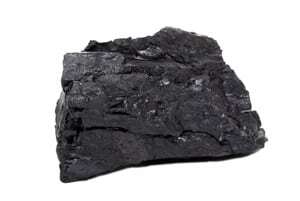
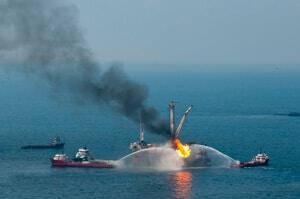
Fabric Conditioner, Laundry Powder, Dust SuppressorMore than a year after its role in the Gulf of Mexico oil spill disaster, mining giant BP has been cleared to apply for new leases to drill offshore. The tragedy killed 11 workers and left a massive environmental cleaning production along the coastline. The decision comes despite early suggestions the US may ban BP from expanding its offshore drilling program.

The US will allow BP to participate in an upcoming offshore oil and gas lease sale.

A high-ranking government regulator has said BP would not be banned from obtaining new leases to drill offshore. The offshore lease sale will be the first since the explosion on the Deepwater Horizon rig, which spilled more than 4 million barrels of oil into the Gulf of Mexico.

“They (BP) don’t have a deeply flawed record offshore,” Bureau of Safety and Environmental Enforcement Michael Bromwich said. “The question is ‘Do you administer the administrative death penalty based on one incident?’ and we’ve concluded that’s not appropriate.”

The Gulf of Mexico disaster – the biggest offshore spill in US history – was a stark reminder that the environmental cost of mining can be extreme. Green commentators have warned the financial penalties for considerable environmental harm are too low. In the case of BP it has been predicted fines from the Gulf of Mexico spill would cost BP no more than $21 million. This is just seven hours of profit according to US Democrat Edward Markey.

“That fine obviously does not even begin to approach the amount needed to be a deterrent against a repeat of this tragedy. That fine is a slap on the wrist.”

Australia has been at the forefront of mining and exploration research and development aimed at making the industry more eco-friendly. Liquid products, gas and mineral mining by-products contribute to pollution.

As the world’s leading coal exporter Australia has been well-positioned to lead the world in sustainable mining practices.

Reducing toxic chemical use in remote sites is an easy step which has been embraced in Australia’s mining regions.

Leading Australian environmental liquids company Envirosafe Solutions has developed a range of products which perform in hard-water conditions.

Its Extreme Green Soil Wetta-Dust Suppressor is an effective, non-toxic wetting agent that can safely be carried in water tankers used for drinking purposes.

Its low-phosphate, eco-friendly industrial liquid and powder laundry products give outstanding results while being compatible with remote camp sewage and wastewater systems.

While US authorities have given BP the green light to push forward with its offshore drilling plans, the lessons from the disaster need to be learned. Envirosafe Solutions has an Extreme Green range of environmentally friendly liquids uniquely designed for mining situations. For more information contact Envirosafe Solutions’ on 1300 88 90 70 or emailinfo@evss.com.au.

Sources:

http://www.climatespectator.com.au/news/bp-will-not-be-banned-offshore-lease-sale-0

http://www.bp.com/sectionbodycopy.do?categoryId=41&contentId=7067505

Tags: , , , , , , , , , , , , , , , , , , , , , , , , , , , , , , , , , , , ,

Climate change a threat to great Aussie holiday

Disinfectant,Rust Remover, Radiator CoolantGoing green makes business sense for tourism operators

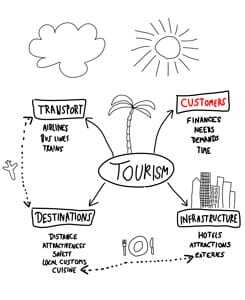
The perfect Aussie holiday can be relaxing on sun-kissed beaches, exploring rugged countryside or splurging on a city shopping spree. The lure of Australian destinations has made tourism a multi-billion dollar industry. The challenge for operators and travellers is to ensure it’s left unspoiled for the next holiday.

Simply getting to a holiday destination in Australia can be a carbon-burning experience!

Vast distances separate capital cities and air, rail and road travel can be a major part of a holiday’s carbon footprint.

For this reason many discerning travellers are conscious of choosing extreme green travel options where possible.

This may include choosing to holiday closer to home and walking, cycling or using public transport to explore their destination.

Hotels and resorts with eco-credentials (such as reduced energy consumption, recycling programs and the use of environmental cleaning products) have strong appeal.

The Federal Government’s Climate Change Guide (Mitigation and Adaptation Measures for Australian Tourism Operators) claims climate change poses a significant threat to the tourism industry. It may:

  • Decrease tourism in areas where fire, cyclone or flooding risks may increase;
  • Decrease winter tourism due to reductions in frequency and volume of snow and shorter seasons.

Toxic chemicals

Joining the green revolution involves reducing energy, waste and chemicals. According to the guide, the use of non-environmentally friendly liquids can have significant effects on both the environment and health.

“Chemicals are often overlooked as a contributor to climate change. However, the production, use and disposal of chemicals can have far-reaching effects for both the natural environment and human health.”

Environmentally friendly liquids can be used to replace traditional cleaners in hotels and resorts. Switching to eco-friendly industrial liquids (such as the leading Extreme Green range from Australian supplier Envirosafe Solutions) in the bathroom, kitchen and laundry will not only bring environmental benefits but also boost green credentials and guest relations.

Supply chain

The guide recommends tourism operators develop and adopt a sustainable procurement policy to reduce the amount of greenhouse gas emissions built-in to their purchases.

“Australia is particularly vulnerable to the impacts of climate change. If levels of greenhouse gases continue to rise, the resulting climate change could lead to serious impacts on coastal communities, iconic areas such as the Great Barrier Reef, and the Kakadu wetlands, biodiversity, agriculture, water supplies, human health, transport and communications infrastructure.”

The tourism industry contributed $38.9 billion to Australia’s GDP in 2006-07 and a sustainable industry in the future requires a commitment to reduce the impacts of climate change.

Hotel and resort operators making the switch to greener practices are reaping environmental, health and business rewards. For more information on environmental cleaning products for the tourism industry contact Envirosafe Solutions’ on 1300 88 90 70 or email info@evss.com.au.

Sources:

http://www.ret.gov.au/tourism/Documents/Tourism%20and%20Climate%20Change/2141259A_TOURISM_CLIMATE_CHANGE_Workshop%20guide_v12.pdf

Tags: , , , , , , , , , , , , , , , , , , , , , , , , , , , , , , , , , , , ,

Tourism operators going green for climate change

Rust Converter, Dishwasher Powder, Disinfectant,Rust RemoverClimate change poses a significant threat to Australia’s tourism industry. The view from a high-rise apartment would be far less appealing knowing the lower floors were under water. Equally ski trips without snow and rivers without water offer very little for the holiday maker. Little wonder many Australian tourism operators are joining the green revolution.

There are tell-tale signs everywhere that tourism operators are going green.

From the little signs in hotel and resort bathrooms advising guests to save water and reuse their towels, to automatic lighting, environmental cleaning products and guest recycling points.

There are plenty of ways to reduce your environmental footprint and help reduce the effects of climate change.

Energy

Consider purchasing energy from a clean energy provider and monitor energy consumption to help identify opportunities to reduce usage.

Simple steps can be effective in reducing energy costs and minimising greenhouse gas emissions, including:

  • Installing energy-efficient lighting such as LEDs;
  • Installing sensor-lighting in outside areas;
  • Using a key card system so energy is only used when rooms are occupied;
  • Installing solar hot water systems or solar panels for energy generation;
  • Planting trees and garden beds to provide natural shading.

Waste

According to the Federal Government’s Climate Change Guide (Mitigation and Adaptation Measures for Australian Tourism Operators) Australians are the world’s second highest producers of waste. As a nation we throw away an alarming 3.3 million tonnes of food annually – this represents one quarter of the country’s food supply!

Where possible avoid and reduce waste and where necessary recover, reuse, recycle. The following tips may help:

  • Purchase food and environmental cleaning products in bulk (and use refillable dispensers for guest amenities such as antibacterial hand wash)
  • Use recycled paper products;
  • Create prominent recycling drop-off points for guest waste.

Water

Measures to reduce water consumption and preserve water quality (including using non-toxic eco-friendly liquid products) are critical.

In addition to installing low-flow appliances (taps, showerheads, toilets) the following steps can help conserve this precious resource.

  • Re-use grey water from the laundry on gardens and reserves. Switching to environmentally friendly liquid laundry products with low phosphate content will ensure grey water is safe for reuse.
  • Encourage staff and guests to be aware of their water usage by placing signs in bathrooms, kitchens and laundries.
  • Use biodegradable eco-friendly liquid products instead of traditional harsh chemicals.

Chemicals

The guide recommends tourism operators use environmentally-friendly chemicals and “give preference to suppliers who supply environmentally friendly products”. It also suggests:

  • Keeping an updated database of hazardous substances;
  • Phase out ozone-depleting gases found in older refrigeration and air-conditioning units;
  • Using automatic dosing (such as automatic handwash dispensers) to ensure correct amounts of chemicals are used;
  • Train staff of safe chemical use and handling.

Australia’s tourism industry is built on a diverse, clean, healthy environment and adopting green practices promises Australia will remain a top tourism destination. For more information on reducing toxic chemicals at tourism venues, contact leading Australian environmental cleaning products company Envirosafe Solutions on 1300 88 90 70 or email info@evss.com.au.

Sources:

http://www.ret.gov.au/tourism/Documents/Tourism%20and%20Climate%20Change/2141259A_TOURISM_CLIMATE_CHANGE_Workshop%20guide_v12.pdf

Tags: , , , , , , , , , , , , , , , , , , , , , , , , , , , , , , , , , , , ,

New reference raises the bar on environmental mining standards

Fuel Conditioner, Toilet Bowl Cleaner, Glue RemoverA new reference guide will further improve environmental mining standards across the globe. It covers everything from mine site rehabilitation to dust suppression and reducing diesel exhaust emissions (Envirosafe Solutions’ eco-friendly liquid products Soil Wetta-Dust Suppressor and Diesel Bug Killer deal specifically with these problems).

A new guide to sustainable mining practices has been launched by Federal Resources and Energy Minister Martin Ferguson.

The booklet A Guide to Leading Practice Sustainable Development in Mining was launched at the Australian Centre for Sustainable Mining Practices in July.

The new guide draws together the major lessons from a series of best practice handbooks first developed in 1995.

“As a world leader in resource development it is fitting that Australia is also at the forefront of developing best practice when it comes to mine sustainability,” Mr Ferguson said.

“The 14 handbooks produced to date have made a practical contribution to improving mining practices both here and around the world with over 100,000 copies being distributed.

“They have been translated and used as reference material in workshops and conferences as far afield as Afghanistan, Botswana, Ghana, Iceland, Iraq, Mongolia, Peru, Tanzania and Zimbabwe.

“This latest publication, as with the earlier handbooks, integrates environmental, economic and social aspects through all phrases of mineral production drawing on expertise from government, industry, academia and non-government organisations.”

The new guide briefly outlines the following key points contained in each of the 14 handbooks:

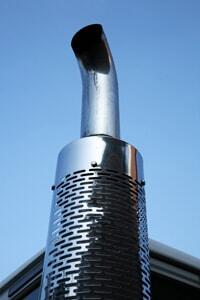
  • Airborne contaminants, noise and vibration which includes the emissions of dust, diesel and silica particulates. Envirosafe Solutions’ Diesel Bug Killer is an eco-friendly liquid product which completely removes water – and oxygen – from fuel sources. This suffocates microscopic contaminants and prevents damage to engine parts while improving fuel efficiency and reducing dangerous exhaust emissions;
  • Biodiversity management to protect delicate flora and fauna systems;
  • Community engagement and development;
  • Cyanide management to minimise health and environment risks in keeping with the International Cyanide Management Code;
  • Evaluating performance including detailed environmental impact assessments;
  • Hazardous materials management which includes the storage and transportation of chemicals. Each of Envirosafe Solutions’ environmental cleaning products carry a hazard rating on their labels;
  • Managing acid and metalliferous drainage to deal with the issue of sulfide oxidation resulting from mining activities;
  • Mine closure and completion to reduce the legacy of abandoned mines;
  • Mine rehabilitation;
  • Risk management;
  • Stewardship;
  • Tailings management (tailings are mineral waste);
  • Water management which can be improved by reducing chemical usage through non-toxic, biodegradable eco-friendly industrial liquids;
  • Working with indigenous communities.

The environmental and social legacy from mining can be minimised through careful planning, research and technology.

Australian-developed resources such as the recently released A Guide to Leading Practice Sustainable Development in Mining and booklets are an invaluable resource for mine managers across the globe.

Environmental impacts can be reduced through the use of eco-friendly industrial liquids at mine sites. For more information on Envirosafe Solutions’ Extreme Green mining range call 1300 88 90 70 or email info@evss.com.au.

Sources:

http://minister.ret.gov.au/MediaCentre/MediaReleases/Pages/GlobalMineSustainability.aspx

http://www.ret.gov.au/resources/Documents/LPSDP/guideLPSD.pdf

Tags: , , , , , , , , , , , , , , , , , , , , , , , , , , , , , , , , , , , ,

Eco consumerism on the rise? It depends who’s asking

Solvent-Free Degreaser, Sanitiser/Mould Rid, Hard Water - Laundry LiquidGreen products have become a staple on supermarket shelves as major brands employ eco-credentialsas a powerful marketing tool. Yet research intoconsumer preferencesand spending is conflicting.

Hot on the heels of the phosphate-free laundry campaign, a new survey has shown consumers prefer to see environmental cleaning products on supermarket shelves.

The May Canstar Blue survey of 2500 Australian consumers revealed supermarket giant Aldi (the first supermarket to take steps to ban phosphate-based laundry products) had the most satisfied laundry powder customers.

The preference for eco-friendly laundry powders extends to environmental practices, with one in four customers also recycling washing water onto the garden.

The campaign to ban phosphate-based household laundry products – replacing them with environmental cleaning products – was a significant success for green revolution lobbyists Do Something. Phosphates are banned from cleaning products in the US and parts of Europe.

Green products hardest hit by US recession

International research though has shown a decline in the sale of green products during the US recession and global financial crisis. In the US sales of environmental cleaning products line Green Works reportedly fell from about $100 million to $60 million a year.

This was more apparent in eco-friendly lines offered by major brands.

“You see disproportionately negative impact from products like Green Works, out of the big blue-chip companies that have tried to layer a green offering on top of their conventional offering, and a relatively better performance from the niche players who remain independent,” said analyst Stephen Powers, of Sanford C. Bernstein and Company. He based his findings on a Bernstein study of monthly sales for almost 4,300 items in 22 categories, from 2006 to 2011

Consumers wary of green prices

A recent study by US cosmetics and skincare company L’Oreal found 43 per cent of those surveyed would only buy environmentally or socially responsible products if they did not cost more. Other green consumerism trends include:

  • A perception that the green revolution movement was ‘feminine’, with more women than men choosing environmental cleaning products;
  • A preference for mainstream brands with a green label than specialised environmental companies;
  • A finding by NBC Universal that environmental consumerism is on the rise. Its poll also found an increasing number of consumers were prepared to boycott a company if it believed it had poor environmental practices;
  • Increasing numbers of consumers prefer to buy from environmentally responsible companies.

Research into commercial consumerism gives conflicting results. There seems to be a divide between what consumers say and how they actually spend their money. Part of this could be attributed to a lack of transparency and legitimacy in green credentials.

Leading environmental cleaning products company Envirosafe Solutions knows too well that some labels on environmentally friendly liquids do not live up to the marketing hype.

In a bid to win over consumers, more and more products are boasting green credentials yet fail in both performance and environmental stakes.

Envirosafe Solutions has developed a clear rating system for each of its products, which helps business and industry identify hazard levels in terms of health, environment, transport and storage. Its products are extremely economical and do not contain fillers, meaning they can be diluted and used sparingly for effective results.

Environmental consumerism will not move into the mainstream unless products not only offer legitimate environmental credentials but also outstanding performance – saving business and industry time and money. For real environmental cleaning products with proven results contact Envirosafe Solutions on 1300 88 90 70 or email info@evss.com.au.

Sources:

http://www.heraldsun.com.au/ipad/consumers-back-a-cleaner-world/story-fn6bfmgc-1226050055880

http://www.canstarblue.com.au/home-garden/cleaning/laundry-powders/

http://www.environmentalleader.com/2011/04/22/green-consumerism-in-doubt/

Tags: , , , , , , , , , , , , , , , , , , , , , , , , , , , , , , , , , , , ,

Mangrove preservation project wins 20th Annual Golden Gecko Award

Dishwasher Rinse Aid, Fabric Conditioner, Laundry Powder, Dust SuppressorThe Golden Gecko Awards have reached a 20 year milestone in recognising environmental excellence by Western Australia’s mining and petroleum industries. As one of the last animals to return to an area disturbed by mining, geckos have become a symbol of the green revolution underway in the resource sector.

World-leading technology to monitor environmental impacts on mangroves at Port Hedland has taken out honours in the 2011 Golden Gecko Awards.

Worley Parsons and the Port Hedland Port Authority won this year’s Golden Gecko Award for an innovative approach to measuring sedimentation on mangroves.

Mangrove trees grow near the Port Headland Port (Australia’s largest export port) and provide a nursery for marine life while also stabilising water quality and preventing shoreline erosion. Sediment stirred up by dredging activity smothers their roots.

The new real-time sedimentation scanner developed by Worley Parsons provides data critical to monitoring and reducing sedimentation.

The Golden Gecko commitment

The Golden Gecko Awards ceremony was held at the Pan Pacific Hotel in Perth on Thursday, September 8.

The awards, which were first launched by the WA Department of Mines and Petroleum in 1992, recognise and celebrate a commitment by the resource sector to preserve and restore the natural environment.

In contrast to early mining and exploration (where scant regard was paid to environmental costs), the modern face of mining has drawn on technology and research to reduce impacts. Best environmental practice policies include the use of environmentally friendly liquids to reduce soil and water contamination.

Merit winners

The Golden Gecko Awards also recognised ATCO Gas Australia, supported by KD1, and Compass Groups (Australia) for their extreme green projects.

ATCO Gas Australia and KD1 were able to complete a new gas pipeline with 40 per cent less clearing and no loss of Black Cockatoo habitat trees.

Compass Groups (Australia) reduced waste and greenhouse emissions from food catering at remote sites by creating compost, livestock feed production and bulk food preparation initiatives.

Remote site challenges

One of the challenges faced at remote mining sites is hard water, which can make cleaning in the laundry, kitchen or worksite difficult. Environmental cleaning products offer a solution to using toxic chemicals, reducing soil and water contamination while improving health and safety.

As a leading Perth-based supplier of eco-friendly industrial liquids, Envirosafe Solutions has tailored a range of environmentally friendly liquids for remote mining sites.

Low toxic, biodegradable yet extremely hard-working and fast-acting, its Extreme Greenrange can readily replace almost every other chemical used at mining sites. From low-phosphate laundry powder to non-toxic dust suppressors, there is an environmental solution available.

WA Mines and Petroleum Minister Norman Moore said the commitment by the resource industry, its suppliers and service partners, to achieving greener outcomes was commendable.

“The Golden Gecko’s is an outstanding opportunity to recognise those leading the industry in innovative environmental practices. I congratulate our award winners and certificate recipients.”

For more information on eco-friendly industrial liquids contact Envirosafe Solutions on 1300 88 90 70 or email info@evss.com.au.

Sources:

http://www.dmp.wa.gov.au/goldengecko/index.html

http://www.mediastatements.wa.gov.au/Pages/Default.aspx?ItemId=143912

http://www.abc.net.au/rural/news/content/201109/s3315552.htm

Tags: , , , , , , , , , , , , , , , , , , , , , , , , , , , , , , , , , , , ,

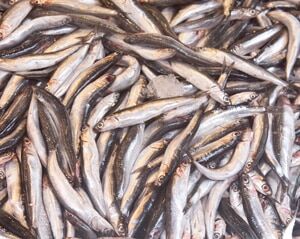
Decline in forage fish numbers threatens larger species

Porta-Loo Treatment, Marine Glass CleanerOverfishing of small ‘forage’ fish including sardines, krill and anchovies are threatening larger ocean predators. New research has recommended reduced catches of these species – an important food source for larger fish and marine life – to ensure fisheries remain environmentally sustainable.

Large fish, marine and bird life are finding their food supplies running short.

Fishing of small, forage stocks has had significant effects on larger, predatory species according to a report published in the journal Science.

The report, by the CSIRO’s Dr Tony Smith, drew on international research from Australia, the US, UK, South Africa, France and Peru.

“Forage species such as anchovy, sardine, herring, mackerel and krill often are the main food source for larger predatory fish, marine mammals and seabirds,” Dr Smith said.

“They account for more than 30 per cent of global fisheries production for use directly as human food and indirectly in livestock feeds and demand is rising.”

Dr Smith said some ecological groups had declined by more than 60 per cent due to the effects of forage fishing at current levels.

“The modelling showed that halving fishing rates for the high-impact species would greatly reduce the impact on ecosystems, while still achieving 80 per cent of the maximum sustainable yield.”

The Marine Stewardship Council (which helped fund the research) is revising its guidelines on forage fishing as a result of the study.

Creating a sustainable industry

Sustainable fisheries management is critical for long-term global food security.

Extending the green revolution beyond land involves limiting catch-sizes and closing off sensitive marine areas. Marine reserves are being developed across Australia, with community and industry consultations taking place in Western Australia earlier this year.

Environmental marine products play an important role in sustainable fishing. Eco-friendly industrial liquids (such as the Extreme Green range developed by Perth-based Envirosafe Solutions) reduce the use toxic chemicals at marinas and fishing ports.

The Extreme Green Marine Glass Cleaner was designed and approved for the Australian Navy – it uses a biodegradable formula to remove salt residue from ship glass (or any surface affected by salt spray) and is an effective alternative to traditional chemical cleaners.

Other environmental cleaning products are available to reduce the environmental impact of the fishing and marine industry.

Keeping our oceans healthy

Environment Minister Tony Bourke said Australia had the world’s third largest marine environment to protect.

“We know that Australians need their oceans to be healthy if they are going to keep providing us with fish to eat, a place to fish, provide sustainable tourism opportunities and a place for families to enjoy.

“That’s why (we) are working with communities to establish a network of marine reserves to drive a sustainable future for our marine environment; to ensure our oceans stay healthy and continue to sustain fish stocks.”

Depleting forage fish stocks has created a food shortage for fish, marine and bird species in some ocean areas. Measures to improve fishing sustainability and reduce impacts on the marine environment are critical. For more information eco-friendly liquid marine products contact Envirosafe Solutions on 1300 88 90 70 or email info@evss.com.au.

Sources:

http://www.csiro.au/news/Sustaining-forage-fishing.html

http://www.environment.gov.au/minister/burke/2011/mr20110328a.html

Tags: , , , , , , , , , , , , , , , , , , , , , , , , , , , , , , , , , , , ,

Dump fees tipped to rise under carbon tax

Hard Water - Laundry Liquid, Porta-Loo Treatment, Marine Glass Cleaner, Radiator CleanerDump fees have been tipped to rise when the planned carbon tax comes into effect from July 1 next year. The landfill industry claims dump operators will be subject to the $23-a-tonne tax and will be forced to pass it on to users, including councils, businesses and households.

The cost of dumping rubbish is set to increase.

By July next year all those old papers, cardboard boxes, empty containers of glass cleaner or industrial hand cleaner and other corporate waste will cost more to leave at the dump.

If you haven’t done so already, catching up with the green revolution and recycling as much office waste as possible will help avoid being caught up in rising dump fees.

Choosing bulk office products (such as those giant tins of coffee for a start) and concentrated cleaning products (make sure they are environmentally friendly liquids) will save money and give the environment a helping hand.

Each tonne of rubbish send to the dump from July next year could rise by $36, according to dump operators.

TheLandfill Owner’s Association has predicted this cost would be imposed on households through increased council rates. Businesses and individuals which take loads of rubbish direct to the tip will also face increased costs.

Federal Climate Change Minister Greg Combet said landfill waste produced methane gas for up to 20 years. He argued the carbon tax would provide an incentive for landfill sites to reduce gas emissions by capturing methane and turning it into electricity.

The environmental costs of landfill sites include:

  • The release of methane, carbon dioxide and other hazardous compounds from organic waste;
  • Groundwater and soil contamination from solid landfill waste;
  • Land degradation including loss of vegetation and habitat.

Minimising waste involves reducing consumption, recycling and purchasing products in concentrated form and in bulk containers.

The following check-list can help businesses make greener product purchases and reduce waste:

Be informed

Know what you’re buying. There are green alternatives for everything from electricity to office furniture and cleaning chemicals. Buying sustainable products will not only help the environment but will be better for the health and productivity of staff.

Buy the best you can afford

There’s a lot of truth in the saying ‘we’re too poor to buy cheap’. Good quality products generally last longer, are made from more sustainable materials and are better for the environment.

Avoid excess packaging

Excess packaging is just a waste. Buy in bulk if you can – office cleaners (especially eco-friendly liquid products) are available in concentrated form in larger containers. Perth-based environmental cleaning products company Envirosafe Solutions supplies its non-toxic, biodegradable Extreme Green range to the corporate and industrial sector. Its products can be diluted and decanted into smaller, reusable containers and spray bottles to reduce waste.

The big tip for business wanting to avoid rising dump fees is to reduce waste and recycle. Make your next order of office chemicals environmental cleaning products by calling Envirosafe Solutions on 1300 88 90 70 or email info@evss.com.au.

Sources:

http://www.perthnow.com.au/news/m-to-empty-bins-under-a-carbon-tax/story-e6frg12c-1226105698852

http://www.kleenexmums.com.au/sustainability/sustainable-shopping/

Tags: , , , , , , , , , , , , , , , , , , , , , , , , , , , , , , , , , , , ,

Hand wash or dishwasher – what’s greener?

Dishwasher Powder, Dishwasher Rinse Aid, Laundry PowderIt’s a question as murky as dirty washing up water – is it better for the environment to hand wash dishes or stack them in a dishwasher? A UK study has attempted to give a definitive verdict on this perennial musing, but the real answer for the eco-conscious may lie in choosing an environmentally friendly dishwashing liquid or powder.

It’s time to come clean about how we wash our dishes.

Believe it or not, the choice of handwashing or using a dishwasher can produce almost identical energy consumption. Figures from the UK’s Guardian newspaper website show:

  • Almost zero carbon emissions are produced if washing dishes by hand in cold water (unfortunately for the green revolution this didn’t leave the plates clean!);
  • 540g of carbon emissions were produced washing by hand in warm water (and conserving water usage);
  • 770g of carbon emissions were produced in a dishwasher set at 55 degrees;
  • 990g of carbon emissions were produced in a dishwasher set at 65 degrees;
  • 8000g of carbon emissions were produced washing by hand using lots of hot water.

The carbon figures show that handwashing using a frugal amount of warm water is clearly the best option for the planet. Yet with bacteria surviving in lower temperatures, this method has been shown to leave up to 400 times more germs on the dishes.

If you prefer to leave the hot tap running while you’re washing the dishes you will produce eight times the amount of carbon emissions as running the dishwasher for a full cycle.

Dishwashers have high energy consumption because they heat their own water but stacking the machine properly, avoiding rinsing dishes under hot water first and using aneco settingreduces the environmental footprint.

Other factors to consider include the efficiency of the model of dishwasher – new appliances come with energy and water efficiency ratings.

Water conservation has become a major environmental issue in Australia and greywater recycling systems allow water from the kitchen sink to be pumped on lawns, gardens and reserves.

Choosing biodegradable, non-toxic environmental cleaning products ensures harmful chemicals will not be flushed down the drain.

For busy commercial kitchens green alternatives must deliver top results – eco-friendly liquid dishwashing products n cut through the grease and leave dishes sparkling.

Perth-based Envirosafe Solutions is a leading Australian supplier of environmentally friendly products. Its top-of-the-range green kitchen products include:

  • Extreme Green Dishwashing Liquid, a concentrated phosphate-free hand dishwashing liquid which is completely biodegradable and free-rinsing and performs in hot and cold water;
  • Extreme Green Commercial Kitchen Degreaser, a non-toxic formula (free of petro-solvents) which dissolves cooking grease, carbon deposits and burnt foodstuffs;
  • Extreme Green Dishwasher Liquid, a caustic-free, non-foaming formula ideal for all automatic dishwashing machines. This phosphate-free liquid performs in both hard and soft water, making it idea for use in rural areas;
  • Extreme Green Dishwasher Powder, a highly-concentrated detergent suitable for all commercial automatic dishwashers. Biodegradable and low in phosphates, this formula is safe for all septic systems;
  • Extreme Green Rinse-Aid, a biodegradable, fast-acting rinse aid which leaves dishes streak-free.

Washing the dishes – whether by hand or using a dishwasher – doesn’t need to leave a dirty smear on the environment. For advice on eco-friendly liquid products for commercial or corporate kitchens contact Envirosafe Solutions on 1300 88 90 70 or emailinfo@evss.com.au.

Sources:

http://www.guardian.co.uk/environment/green-living-blog/2010/aug/19/carbon-footprints-dishwasher-washing-up

Tags: , , , , , , , , , , , , , , , , , , , , , , , , , , , , , , , , , , , ,

Chemical exposure causes 338 injuries in WA each year

Rubber Remover, Multi Purpose Lubricant, Fuel ConditionerIf you’re in the cleaning industry you may be surprised that non-environmental cleaning products can be as dangerous for your health as the bacteria, fungus and other nasties you’re trying to clean up. Toxins and allergens can become airborne and exacerbate respiratory conditions such as asthma. Direct contact can cause skin irritations. The worst toxins can even cause cancer.

The statistics prove what many workers already know – daily contact with workplace chemicals is a serious health risk.

Cleaning companies are at the forefront of the war against germs, grease and grime but face another foe in the chemicals found in cleaning products (unless they are using eco-friendly industrial liquids).

According to the Western Australian Department of Commerce each year on average there are 338 cases of lost time injuries or diseases (LTIs/D) related to chemical or substance exposure. Statistics from the department show:

  • The average days lost from such incidents is 7370 (or about 22 days lost per incident)
  • Lost time injuries and diseases from long term contact with chemicals or substances have been significantly reduced over the five year period from 2004-05 to 2008-09;
  • Poisoning, burns and dermatitis are the most typical problems associated with chemicals;
  • Eyes, hands, multiple systemic conditions and respiratory system are the body parts most commonly cited as being affected.

The best defense against unnecessary contact with harsh chemicals is to become familiar with chemical labeling. Product warnings are a good starting point – cleaning chemicals labeled ‘Posion’ or ‘Danger’ pose a greater risk than those labelled ‘Caution’ or ‘Warning’.

According to leading environmental cleaning products company Envirosafe Solutions labels can be misleading, as many claims can be ambiguous or false. (Some cleaners may be labelled ‘natural’, ‘environmentally-friendly’ or ‘non-toxic’ but these claims are often not independently verified.)

For this reason each of the Perth suppliers’ products has been independently rated to ensure customers store, transport and handle them safely.

“We are dedicated to finding the safest cleaning solutions available and part of that process involves providing customers with a clear, independent rating system on all our product labels,” Envirosafe Solutions director Murray Simon says.

Chemicals that should be avoided, or handled carefully, include:

  • Nonylphenolethoxylates (NPEs), which are found in many cleaning products and which when released into the environment can act as hormone disrupters affecting the reproductive capacity of fish, birds and mammals;
  • Antibacterials in particular triclosan found in many skincare products have been linked to cancer and antibiotic resistant bacteria. (Look for eco-friendly liquid products such as Envirosafe Solutions’ antibacterial hand wash which is free of triclosan);
  • Ammonia which is common in many floor, bathroom, tile and glass cleaners and can burn skin on contact and irritate respiratory passages.

Cleaning staff may be at the front line in the war against germs but choosing safe, environmentally friendly cleaning liquids and powders will ensure they don’t come under attack from their own side.

For more advice on safe, non-toxic cleaning solutions contact Envirosafe Solutions on 1300 88 90 70 or email info@evss.com.au.

Sources:

http://www.greenerchoices.org/products.cfm?product=greencleaning

http://www.commerce.wa.gov.au/worksafe/content/Services/Facts_and_figures/Priority_areas.html

Tags: , , , , , , , , , , , , , , , , , , , , , , , , , , , , , , , , , , , ,

Reducing fuel consumption and emissions part of the perfect flight

Rust Converter, Dishwasher Powder, Disinfectant, Rust RemoverAchieving the ‘perfect flight’ could help airlines dramatically reduce their fuel consumption and carbon dioxide emissions. A trial program operated in Australia recently has highlighted the importance of best-practice air traffic procedures and, together with other extreme green measures (such as using eco-friendly industrial liquids) shows the way forward.

A program aimed at reducing aviation emissions has highlighted how the ‘perfect flight’ can produce significant environmental savings.

In mid-July two international Emirates flights through Australian airspace were afforded ‘perfect flight’ conditions. This was part of the Indian Ocean Strategic Partnership to Reduce Emissions (INSPIRE) program.

Achieving the perfect flight includesreducing ground delays, taking the shortest taxi route to take-off and having gradual climb and descent paths. It also involves flying the most direct routes based on existing weather and airspace conditions.

The results were impressive. According to air traffic controllers Airservices, results from the flights showed a combined total saving of more than 6250 litres of fuel and 16 tonnes of carbon dioxide emissions.

“Based on the airline’s 63 weekly flights to and from Australia, the annual savings from INSPIRE would be in the order of 2.47 million litres of fuel and save approximately 6850 tonnes of carbon dioxide. This is the equivalent to around 49,000 tanks of fuel for an average sized car or the volume of one Olympic-sized swimming pool.”

Sustainable aviation

A sustainable aviation industry relies on new technologies including biofuels and programs such as INSPIRE that aim to reduce emissions through best-practice flights.

Just as shaving minutes off flight times can significantly reduce fuel consumption, choosing eco-friendly industrial liquids both in flight and on ground can reduce air and soil contamination.

Choosing cleaning products that are safe for the environment and for aircraft is critical – over time any corrosive cleaners can damage the plane’s bodywork creating serious safety risks.

Envirosafe Solutions is a leading supplier of environmental cleaning products for the aviation industry. The Perth-based company has a range of eco-friendly liquid products including its insect and tar remover and marine glass cleaner suitable for use on aircraft.

Its kitchen range is perfect for use at airports – the Extreme Green Dishwasher Liquid has a caustic-free and non-foaming formula which makes it suitable for septics. It is also fully biodegradable and phosphate-free, making it a better choice for healthy waterways.

For the difficult task of cleaning dirt and scum stains in showers, toilets and refuse areas Extreme Green GelClean Sanitiser is an environmentally friendly liquid alternative.

Its high viscosity allows it to stick to walls and penetrate and rinses quickly to leave impressive results. Free of petro-solvents and harsh acids, this non-toxic environmental cleaning product is safe to use on most hard surfaces.

Creating the perfect flight can save fuel, money and reduce emissions. It is just another step in the direction of better environmental management for the aviation industry. For more environmental solutions contact Envirosafe Solutions’ on 1300 88 90 70 or email info@evss.com.au.

Sources:

Aviation

http://newsroom.airservicesaustralia.com/releases/ff8903b0-0d3a-4e3a-82bf-2d2316fb203a

Tags: , , , , , , , , , , , , , , , , , , , , , , , , , , , , , , , , , , , ,

Trucking operators have new environmental tool

Eco Friendly, Environmental Cleaning Products, Dishwashing LiquidTruck operators have a new online tool available to reduce environmental impacts. The Australian Trucking Association’s ‘environmental best practice’ website has strategies for reducing exhaust emissions and managing waste as well as a host of industry case studies. The initiative is an example of this sector’s commitment to the green revolution.

The Australian Trucking Association has developed a website to help operators improve their environmental credentials.

The site has strategies for reducing smoke pollution and waste management and provides a valuable tool for truck operators wishing to reduce their costs, improve their environmental performance and enhance their corporate image.

Small steps can make a big difference. Driver training, route selection and the use of environmental cleaning products in the workshop and depot are part of environmental best practice.

The website’s voluntary guidelines are designed to help improve business management.

“The trucking industry, like many important sectors in Australia, can feel burdened by rules and regulations. These can make it hard to concentrate on running a good business and looking after our people and customers. Road safety and environmental performance are the most important issues in our industry but good environmental management is crucial to our future.”

Reducing exhaust emissions

Smoke emissions add to greenhouse gases and air pollution as well as higher vehicle running and maintenance costs.

Recommendations for reducing smoke emissions include:

  • Good driver habits (go easy on the accelerator, use lower gears under load);
  • Proper vehicle maintenance (check air filters, fuel injectors);
  • Don’t tamper with the vehicle by raising fuel pump rates, changing injection timing or disabling systems.

Fuel treatments can help reduce fuel line and filter blockages and metal corrosion. Envirosafe Solutions’ Diesel Bug Killer and Fuel Conditioner are ideal eco-friendly industrial liquids for improving both fleet and environmental performance.

In diesel fuels they remove water, which prevents the growth of Diesel Bug and cleans and lubricates the fuel system, reducing wear and extending the life of engine parts.

Managing waste

Penalties apply to the incorrect storage and disposal of waste. Recommendations for safe waste management include:

  • Scrap metal should be taken to a metal recycler;
  • Freon gas needs to be carefully handled and recycled as it poses a serious environmental threat if released into the atmosphere;
  • Waste antifreeze, scrap tyres and wet cell batteries can all be sent to appropriate recyclers.

Workshop cleaning

One area often overlooked by business operators is the risk posed by chemicals. Toxic products pose a health risk to workers and contribute to soil and water contamination.

Nearly all traditional workplace cleaners can be replaced with environmentally friendly liquids and powders. From anti-bacterial hand wash to rust removers and radiator coolants, there green alternatives which give comparable – even superior – results without exposing staff and the environment to harsh chemicals.

Envirosafe Solutions is an Australian supplier of eco-friendly industrial liquids and its leading Extreme Green range can be relied on to offer outstanding results.

The Australian Trucking Association has developed a new website  ( http://sites.google.com/site/truckenvironmentalcentre/Welcome ) for operators wanting to improve their green credentials. Switching to eco-friendly products in the workshop and depot is a simple step toward a cleaner, healthier workplace and environment. For more information contact Envirosafe Solutions on 1300 88 90 70 or email info@evss.com.au.

Sources:

http://sites.google.com/site/truckenvironmentalcentre/Welcome

Tags: , , , , , , , , , , , , , , , , , , , , , , , , , , , , , , , , , , , ,

Fuel treatments helping diesel shedding its ‘dirty’ image

Fabric Conditioner, Laundry Powder, Dust SuppressorOn both rail and road the image of so-called ‘dirty diesels’ is one ofclattering noise and choking black exhaust fumes. Today we take a look at the history of the diesel engine and new green revolution technology (such as Envirosafe Solutions’ eco-friendly industrial liquid Diesel Bug Killer) that’s helping to drive a cleaner image.

Diesel technology has fueled the modern freight system of today.

First patented in 1878 by Rudolf Diesel, the diesel engine was designed as a solution to the gasoline engine, which in its early form was not terribly efficient.

Along with the steam engine, these two methods of transportation only used about 10 per cent of fuel to move a vehicle. The rest produced useless heat – which was wasteful, inefficient and costly.

Rudolf Diesel’s first successful engine was reportedly able to run at 26 per cent efficiency (twice as efficient as its peers).

Yet despite its efficiency and longer life-span, diesel engines today are vastly outranked by petrol motors in passenger cars. The negative image of big, soot-spewing trucks has made the diesel less attractive to the general motoring public.

While extreme green technologies (such as ultra-low sulphur diesel and environmental cleaning products) are helping to reduce the effects of diesel transport on the environment, it remains a significant pollutant.

The biggest drawback for diesel technology is its emissions – the exhaust fumes are dirtier than a comparable petrol motor. Diesel particulate matter has been proven to be cancer causing and contribute to greenhouse gases.

New emissions standards have been introduced by the Federal Government and are aimed at reducing particulate matter and emissions of hydrocarbons and nitrogen oxides. By 2018 all diesels will need to be fitted with filters to dramatically cut the level of particulate matter in exhaust fumes.

Existing technologies including environmentally friendly liquid fuel conditioners improve the performance of diesel engines while reducing emissions.

Envirosafe Solutions is a leading Australian supplier of eco-friendly liquid products including a range of fuel treatments designed with diesels in mind.

Its Diesel Bug Killer kills a microscopic contaminant which produces a build-up of slime, which can clog fuel lines and filters. The bug also releases corrosive hydrogen sulphide, which can pit engine parts.

Suitable for all fuel types, this environmentally friendly liquid has become popular with councils and freight companies to improve fleet performance, reduce down-time and reduce dangerous emissions.

Envirosafe Solutions has an extensive range of green products, including truck washes and workshop cleaners all designed to reduce environmental impacts.

The diesel engine has powered a successful freight industry and tougher emissions guidelines, newer fuels and cleaner technologies look set to bring it into the motoring mainstream.

For more information on clean, green solutions for the workshop or depot contact Envirosafe Solutions on 1300 88 90 70 or email info@evss.com.au.

Sources:

http://sites.google.com/site/truckenvironmentalcentre/Welcome/diesel-in-road-transport

http://www.howstuffworks.com/diesel.htm

Tags: , , , , , , , , , , , , , , , , , , , , , , , , , , , , , , , , , , , ,

<